Introduction: Time is a finite resource, and effective time management is crucial for achieving success and maintaining a healthy work-life balance. In this fast-paced world, juggling multiple responsibilities can be challenging. However, with the right strategies and habits, you can make the most of your time. Here are 10 tips for effective time management:
Prioritize your Time
Set Clear Goals: Begin by defining your short-term and long-term goals. Knowing what you want to achieve helps you prioritize tasks and allocate your time more effectively. Break down larger goals into smaller, actionable steps to make them more manageable.
Prioritize Tasks: Not all tasks are created equal. Use techniques like the Eisenhower Matrix to categorize tasks into four quadrants: urgent and important, important but not urgent, urgent but not important, and neither. Focus on the important and urgent tasks first, as they have the most significant impact on your goals.
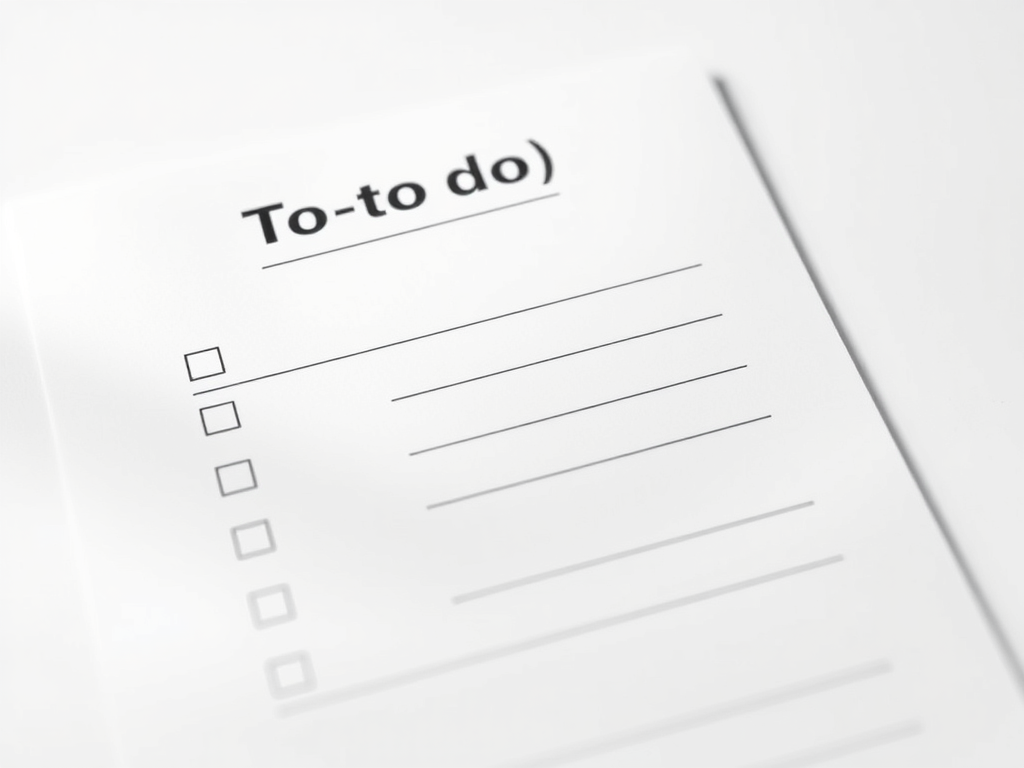
Create a To-Do List: Maintain a to-do list that outlines your daily tasks. Update it regularly and make sure it aligns with your goals. Start your day by identifying the most important tasks you need to accomplish.
Time Blocking: Allocate specific time blocks for different activities. Whether it’s work-related tasks, personal errands, or leisure, setting aside dedicated time for each helps you avoid distractions and stay on track.
Avoid Multitasking: Multitasking can reduce your overall productivity. Instead, concentrate on one task at a time. Finish it before moving on to the next, and you’ll find you complete tasks more efficiently.
Learn to Say No: Overcommitting your time can lead to stress and hinder your ability to manage your tasks effectively. Politely decline additional responsibilities when you are already stretched thin. Focus on what matters most.
Minimize Distractions: Identify common distractions in your work environment and take steps to minimize them. Turn off unnecessary notifications, close irrelevant tabs on your computer, and create a quiet, organized workspace.
Delegate: Don’t hesitate to delegate tasks to others if you have the opportunity. Whether at work or home, entrusting certain responsibilities to others can free up your time for more critical tasks.
Use Technology Wisely: Leverage productivity tools and apps to help you manage your time more efficiently. Calendar apps, task management tools, and time tracking software can be valuable allies in your time management efforts.
Reflect and Adjust: Regularly assess how you’re managing your time. Reflect on your accomplishments and challenges. Be willing to adjust your strategies as needed to fine-tune your time management skills.
Effective time management is a skill that can greatly improve your productivity and overall quality of life. By setting clear goals, prioritizing tasks, and implementing these tips, you can take control of your time and achieve your objectives while reducing stress and maintaining a healthy work-life balance. Remember that effective time management is an ongoing process, and continuous self-assessment and improvement will lead to long-term success.
Do not forget to subscribe, leave a comment so we can share our tips and ideas together and also share. Till my next post bye.
Moving to a new country is a huge transition for any family, especially for children who must adapt to new surroundings, languages, and school environments. Unfortunately, this adjustment can also come with the risk of bullying especially when children look, speak, or act differently than their peers. Whether it’s cultural differences, an accent, unfamiliar clothing, or a different lunchbox, children from immigrant families may become targets.
But parents have a powerful role to play in ensuring their kids feel safe, supported, and empowered during this transition. It starts with open communication and the right tools to help your child navigate their new world confidently.
Understanding Why Bullying Happens
Bullying often stems from ignorance, fear of the unknown, or group dynamics where “different” becomes a target. Children who recently moved may:
Struggle with the new language,
Stand out due to cultural or religious practices,
Feel alone and unsure about how to ask for help.
Rather than feeling shame or isolation, children need to be reminded that their uniqueness is a strength not something to hide.
Educate Your Child About Their Rights
Every child has the right to feel safe at school no matter where they come from or what language they speak.
Teach them what bullying looks like verbal insults, physical aggression, exclusion, or online harassment.
Make sure they know who to talk to: their teacher, school counselor, or another trusted adult.
If you’re in Germany or similar countries, explain the school’s anti-bullying policies (many have strict regulations in place).
Build Resilience and Confidence
Help your child develop inner strength and the ability to handle tough situations:
Role-play common bullying scenarios and practice responses with confidence.
Reinforce positive self-talk and remind them of their strengths, heritage, and talents.
Encourage involvement in activities they enjoy music, sports, art and where they can shine and connect with others.
Confidence builds when children feel accepted and seen for who they are not just as “the new kid.”
Connect with the School Early
Introduce yourself to teachers and let them know about your child’s recent move.
Ask how the school handles social integration for new students and if there are buddy programs or support services.
Stay in regular communication especially in the first few months so you can quickly step in if anything goes wrong.
The earlier you build a relationship with the school, the more support your child will feel.
Create a Safe Space at Home
Home should always be your child’s safe zone.
Encourage them to talk about their day without pressure.
Don’t downplay their feelings if they say they’re being left out or teased.
Let them know it’s okay to feel hurt but they don’t have to face it alone.
Affirm their identity, culture, and journey. Your words matter more than you know.
Final Thoughts
Bullying is painful, but your child doesn’t have to face it alone. As a parent, your love, awareness, and advocacy are powerful shields. The goal isn’t just to protect them but to raise them to be confident, compassionate, and proud of who they are.
You are their safe place and with you by their side, they can rise above anything.
Moving abroad opens up new opportunities and experiences for families, but it can also lead to a gradual disconnect from one’s roots, especially for children. As children grow up in a new environment, it’s easy for them to feel detached from their home country, particularly when the parents do not actively nurture those cultural ties. It’s crucial for parents to help children embrace both their new identity and the rich heritage of where they come from.
Understanding the Emotional Disconnect
Many children who move abroad at a young age or are born in a new country may grow up identifying solely with their current surroundings. Over time, they might lose interest in their native culture, language, and traditions, especially if those elements aren’t actively preserved at home. One of the often overlooked reasons for this is that parents, while trying to adjust themselves, unintentionally downplay their home country. Understandably, in cases like Nigeria, the economic and social challenges are real. However, constantly speaking negatively about one’s home country in front of children can create a sense of shame or rejection of their roots.
Parents must recognize that although they have moved for a better life, they are still foreigners in their new land. Their children, especially those born abroad, are at risk of growing up without a sense of true belonging neither fully here nor there. In this case, it’s essential to instill pride in where they come from, even while embracing the new.
Celebrating Cultural Traditions
Keep cultural celebrations alive at home. Mark holidays, cook traditional meals, play cultural music, or wear cultural attire during festive seasons. These small yet powerful acts reinforce a sense of identity and help children connect emotionally to their heritage.
Tip: Involve children in these celebrations. Let them learn the meaning behind traditions and take part in preparations. This will create cherished memories and strengthen their cultural ties.
Keeping the Language Alive
Language is one of the strongest links to a person’s heritage. Speak your native language at home or mix it into daily communication. Even if the child responds in the dominant language of the new country, continued exposure helps keep their linguistic connection alive.
Tip: Storytelling, songs, movies, and books in your home language can make learning fun and less forced.
Staying in Touch with Family Back Home
One of the most damaging effects of migration is when children grow up not knowing their extended family. Due to family disputes or emotional distance, some parents may cut ties or limit contact. While parents have every right to protect their well-being, children should not be deprived of the knowledge that they have family back home.
Tip: Arrange regular video calls, send gifts or letters, or even share stories about family members. If possible, plan visits to your home country so children can see where they come from.
Balancing Two Worlds
Teach your child that they don’t have to choose between their identity as a member of the new society and their cultural heritage. They can belong to both. Balance is key.
Encourage friendships across cultures, but also introduce them to children who share similar roots. This helps normalize dual identity and makes them feel less alone in their experience.
Final Thought
Your child’s connection to their roots depends largely on how you present it. If you value and celebrate your culture, they are more likely to do the same. It’s not about glorifying everything back home but recognizing its significance. Let your children grow up knowing where they come from, so they can stand tall wherever they go.
Let me know how has it been for you since you migrated with your kids? Please kindly share, like,comment and also subscribe. I am happy to hear from all of you. till my next post.
Moving to a new country can be an exciting adventure, but for children, it can also be a confusing and emotionally challenging experience. As a parent, your support plays a critical role in helping your child navigate the transition and thrive in their new environment. From homesickness to language barriers and making new friends, children face a variety of obstacles but with the right approach, they can overcome them with resilience and confidence.
Understanding Your Child’s Emotional Needs
The first step in supporting your child is to understand the emotional impact that moving abroad can have on them. Children may experience a range of emotions, including sadness, anxiety, confusion, and even excitement. For younger children, the absence of familiar faces, routines, and surroundings can be particularly unsettling. Older children and teens may struggle with a loss of identity, the fear of not fitting in, and concern over leaving behind friendships and familiar environments.
Before the Move: Talk About It Early and Often One of the most powerful ways to prepare your child emotionally is to have honest, age-appropriate conversations about the move before it happens. Explain why the move is necessary not just what it means for the family as a whole, but how it impacts each individual child. For some families, the reason might be to reunite with a parent who already lives abroad. In these cases, emphasize the importance of being together as a family, creating new memories, and supporting one another in a new place.
If you’re moving for work, education, or better opportunities, explain this to your child in terms they can relate to. Help them understand that, while change can be difficult, it’s also a step forward and part of a bigger journey for the family.
Tip: Involve your child in the process. Allow them to ask questions, voice concerns, and even express fears. The goal is not to promise that everything will stay the same because it won’t but to make sure they know that you will be facing the changes together as a family.
Tailor the Conversation to Their Age
Young Children: Use simple, reassuring language. Explain the move using pictures, books, or playful methods to help them grasp what’s coming.
Teenagers: Give them space to process. They may be more resistant or emotionally conflicted, so create room for dialogue without pressure. Show that you trust their ability to adapt, while acknowledging the difficulty of leaving friends, schools, or routines behind.
Set Realistic Expectations and Share What You’ve Learned As a parent, it’s important to research the destination thoroughly so you can answer your child’s questions and prepare them realistically for what’s ahead. Whether it’s about school, lifestyle, cultural norms, or making new friends, your awareness helps ease their anxiety. Explain what changes they can expect like different school systems, moving down classes, possible language barriers, or even changes in food or weather and how you’ll all work together to adjust.
Migration is as natural as breathing, as eating, as sleeping.It is part of life, part of nature.
Reassure and Reaffirm Stability Above all, your child needs to know that even if the environment is changing, your presence and support are not. Assure them that they are not alone and that their feelings matter. Reiterate that as a parent, you are always there for them, no matter what.
Creating a Supportive Home Environment
A supportive home environment plays a critical role in helping your child feel safe and secure during the adjustment period. Establishing routines and maintaining familiar activities can provide a sense of comfort in a world that feels unfamiliar.
Tip: Create a comforting space where your child can retreat to when they need it. Whether it’s a cozy corner for reading, a space for personal hobbies, or simply a room filled with familiar items from home, a personal space can help them feel grounded.
Routines are another important aspect. While everything around them may be changing, keeping certain daily routines such as meal times, bedtimes, or family activities and been consistent can provide stability and predictability in their new life. This helps children feel less overwhelmed by the changes they are facing and gives them a sense of control in an unfamiliar world.
It’s also important to acknowledge that parents, too, are going through their own period of adjustment and shock. In many cases, families move to countries where they don’t have extended family or close friends to rely on. Unlike back home, where grandparents, neighbors, or siblings could help with childcare or emotional support, abroad you may only have your spouse or in the case of single parents, only yourself.
Juggling multiple jobs, managing household responsibilities, and trying to provide for the family can be overwhelming. However, it’s crucial to balance these demands with being emotionally present for your children. When children feel neglected, even unintentionally, they may retreat into silence or exhibit behavioral issues. Prioritizing time for your kids, however small can make a big difference in their ability to cope and connect.
Encouraging Open Communication
One of the most powerful tools you have as a parent is the ability to communicate openly with your child. Establishing regular check-ins, where your child feels safe to express their feelings, will help them process their emotions and gain a sense of connection with you during this time of transition.
To me, if life boils down to one thing, it’s movement
Tip: Ask open-ended questions, such as, “What was the best part of your day?” or “How are you feeling about school or making friends?” Let your child know that it’s okay to be nervous or upset, and that you are there to support them no matter what.
Encourage your child to share their experiences and concerns. Be patient and listen attentively, even if they’re not ready to talk right away. Over time, your child will come to understand that you are there to help them through the ups and downs of their journey.
Encouraging Social Interactions
Making new friends in a new country can be one of the most daunting challenges for children. For younger children, finding playmates in a new place can be overwhelming, while older children may worry about fitting in or dealing with cultural differences. Encouraging social interactions outside of the home is crucial to helping your child feel more integrated into their new environment.
Tip: Encourage your child to participate in extracurricular activities, clubs, or sports teams where they can meet other children with similar interests. Many schools offer language support or after-school programs that can help children connect with their peers.
You can also seek out community events, playdates, or social groups for expatriates to help your child meet others who may be facing similar challenges. If language is a barrier, help your child practice and offer support in learning the new language. You can also connect with other parents who are also expats—this can help both you and your child feel less isolated and more connected to the local community.
Balancing Routine with New Experiences
While creating a stable routine is important, it’s also essential to introduce new experiences that will help your child embrace their new country. Exploring the culture, trying local foods, visiting landmarks, or attending festivals can help children see the positive side of their new environment and create lasting memories.
Tip: Take small steps to incorporate new experiences into your child’s life. Visit local museums, go for walks in nearby parks, or explore new hobbies that are unique to your new location. This will help your child feel excited about their new surroundings, while still offering comfort and stability through familiar routines.
In addition, involving your child in decision-making, such as choosing weekend activities or where to go for outings, can give them a sense of ownership in their new life. This encourages them to embrace the change and become more engaged with their new world.
Final Thoughts
Supporting your child through a move to a new country takes patience, understanding, and compassion. By recognizing their emotional needs, creating a supportive environment, encouraging open communication, fostering social interactions, and balancing routine with new experiences, you can help your child feel secure and confident in their new home. Remember that adjustment is a gradual process, and each child will move at their own pace. As a parent, your love, attention, and support will play a pivotal role in helping them thrive in their new environment.
Have you recently moved with your child? Share your tips for supporting children during a relocation in the comments below!
Germany is one of the most sought-after countries for work opportunities, offering a range of visa options for highly skilled professionals, tech experts, and workers in a variety of fields, including nurses, doctors (of all specialties), and other unskilled professions. While Germany’s demand for qualified workers is high, especially in healthcare, logistics, and skilled trades, the work visa application process can be complex. Mistakes are easy to make, and avoiding common pitfalls can save you time, money, and unnecessary stress. Below are some critical mistakes to steer clear of when applying for a work visa for Germany.
1. Not Checking the Visa Type
One of the most common mistakes is applying for the wrong type of visa. Germany offers several visa categories depending on your profession, skills, and job. There are work visas for highly skilled professionals like IT experts, engineers, and tech specialists, but there are also visa options for unskilled professionals in fields like healthcare, logistics, and construction. For example, the EU Blue Card, Job Seeker Visa, and skilled worker visa are tailored for specific roles. Understanding the various Blue Cards available for IT professionals can help ensure you apply for the correct one.
Types of EU Blue Cards
EU Blue Card for IT Professionals (with formal qualifications): This is the most common type for IT professionals who have formal qualifications, such as a university degree in IT or computer science. Applicants must meet a salary threshold, which is typically higher than other professions.
Requirements: A university degree or comparable qualification, a job offer with a salary above the threshold (currently around €56,800 annually), proof of qualifications, and sometimes language proficiency.
EU Blue Card for IT Professionals without formal qualifications: This category is designed for IT professionals who may not have a formal university degree but possess significant professional experience in the IT field. These applicants must prove their expertise and relevant work experience.
Requirements: At least five years of relevant work experience in IT, a job offer that meets the minimum salary requirement (typically €43,056 annually for the general IT sector), and evidence of specialized skills. In some cases, this can include certifications, technical expertise, and specific job experience.
EU Blue Card for Other Highly Skilled Professionals: This card is also available for professionals in fields such as engineering, medicine, and other sectors requiring specialized expertise. It’s aimed at professionals with at least a university degree and relevant qualifications.
Requirements: A recognized university degree, a job offer in a highly skilled profession, and a salary offer meeting the specific threshold. For instance, for healthcare professionals like doctors or nurses, the salary requirement may vary based on specialty.
Job Seeker Visa:
For individuals who don’t yet have a job offer but are highly skilled and looking for employment, the Job Seeker Visa is an option. This visa allows you to stay in Germany for up to six months while searching for a job that aligns with your skills and experience.
Requirements: Proof of financial stability to support yourself during your stay, a university degree or comparable qualification, health insurance, and sufficient funds for your stay.
Skilled Worker Visa:
This is for professionals working in non-IT fields, like healthcare, skilled trades, and other specialized sectors. The Skilled Worker Visa does not require a university degree but does require vocational training or substantial professional experience.
Requirements: Vocational training or relevant professional experience, a job offer in Germany, and proof that the salary meets the requirements. For example, a nurse might need a nursing qualification or a specific trade certificate.
Tip: Research the visa that matches your specific profession and qualifications before starting your application. Applying for the wrong type of visa can delay the process and may even lead to your application being rejected.
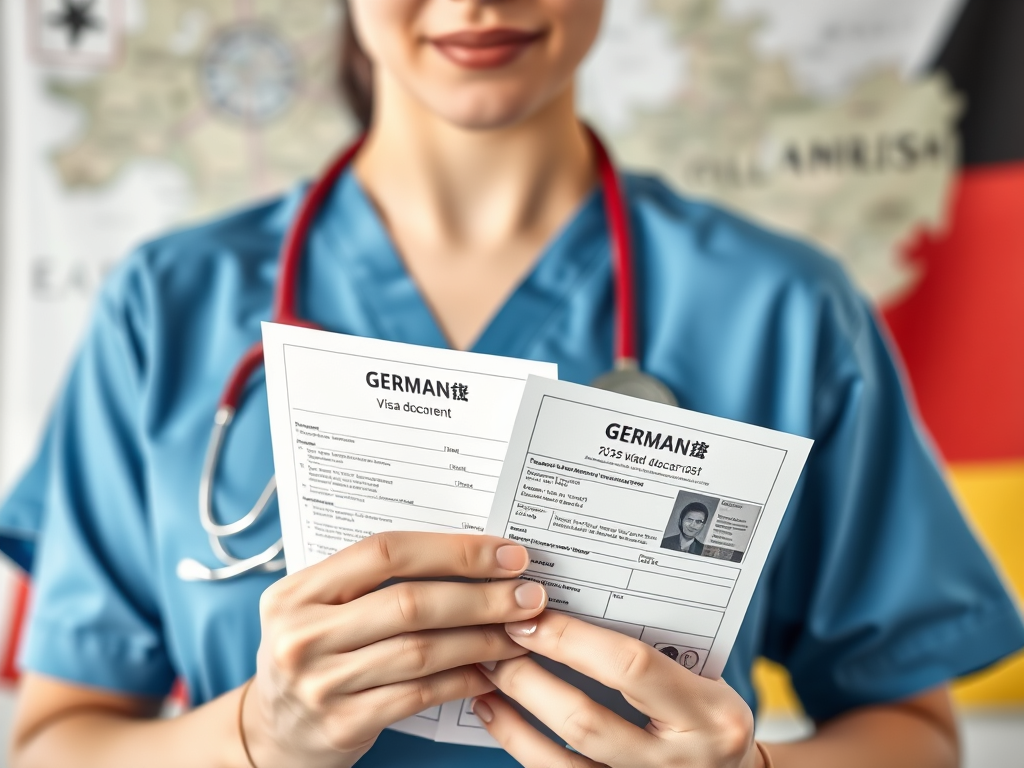
Professional in Healthcare (Nurse, Doctor) with Visa Documents
2. Incomplete or Incorrect Documentation
Germany’s immigration office is strict when it comes to documentation, and submitting incomplete or incorrect paperwork is a common reason for visa rejections. Key documents such as proof of qualifications, a signed job contract, and proof of health insurance are essential. Tip: Double-check all documents before submission. Make sure your qualifications are verified, and your contract is clear and specific about your role and salary. Missing any document can lead to long delays.
3. Failing to Meet the Language Requirements
Depending on the type of work visa, some applicants might be required to demonstrate a basic knowledge of German, even if their job doesn’t demand it directly. Many professionals overlook the fact that language skills can impact their application. Tip: If your job requires interaction with clients or local teams, showing a basic level of German can strengthen your application. Consider taking a language course if you’re unsure of your proficiency.
4. Not Understanding the Salary Requirements
For certain work visa categories, such as the EU Blue Card, there are specific salary thresholds that must be met. Many applicants mistakenly assume that the salary requirement is the same for every profession or forget to include bonuses and benefits in their salary calculation. Tip: Make sure your job offer meets the salary threshold for your visa type. If your salary is close but not quite at the threshold, you may need to negotiate your compensation package.
5. Underestimating the Processing Time
Applying for a work visa can take time, often several months, especially for highly qualified jobs. Some applicants start the process too late or underestimate the time required for visa processing, leading to unnecessary stress when it’s time to travel. Tip: Plan ahead and start your application process early. Consider processing times for both your visa application and document verification. A well-timed application will ensure a smoother experience.
6. Overlooking Health Insurance Requirements
Health insurance is mandatory for anyone living in Germany, including those on a work visa. Many applicants neglect to arrange for the right health insurance coverage before applying for their visa. This can lead to delays or visa refusal. Tip: Ensure you have the appropriate health insurance coverage, whether public or private, that meets Germany’s requirements. Provide proof of insurance when submitting your visa application.
7. Ignoring Local Regulations and Updates
Immigration laws in Germany are subject to change. Applicants sometimes fail to keep up with new regulations or overlook any changes in the law. As a result, they may end up applying under outdated conditions. Tip: Stay updated on any changes in immigration laws or visa regulations. Regularly check the official German government website or consult with an immigration lawyer to ensure you’re applying under the correct rules.
Final Thoughts
Applying for a work visa in Germany can be a complicated process, but with the right preparation and awareness of common mistakes, you can avoid unnecessary delays and increase your chances of success. Take the time to understand the requirements, double-check your documents, and stay informed on any changes to the application process.
Have you applied for a work visa for Germany or are planning to? Share your experiences and any tips you have for others in the comments below! Let’s help each other navigate the visa process with ease.
Traveling and living abroad can be an exciting and transformative experience, but it also presents unique health challenges. From adjusting to a new environment and cuisine to dealing with jet lag and accessing healthcare, maintaining your physical and mental well-being should be a priority. Whether you are an expat, a digital nomad, or simply traveling for an extended period, here are essential tips to stay healthy while exploring the world.
1. Maintain a Balanced Diet
Adapting to a new country’s cuisine is an exciting part of travel, but it can also lead to digestive issues or an unhealthy diet. Many expats, students, and travelers are often scared of the unknown when it comes to food in a new country, leading them to opt for fast food or junk meals. In the first few months, some may not have a stable home or a place to cook, making it easier to rely on quick, cheap, and accessible meal options. On the other hand, some newcomers may overindulge in trying new foods, which can result in overeating or making unhealthy dietary choices.
Tip: Aim for a well-balanced diet that includes proteins, vegetables, fruits, and whole grains. If you eat out frequently, try to make healthier choices by opting for grilled over fried foods and avoiding excessive sugar and processed foods. Shopping at local markets and preparing your own meals when possible can also help maintain a nutritious diet.
2. Stay Hydrated and Be Cautious About Water Quality
Dehydration is a common issue while traveling, especially for those coming from hot climates to colder regions, where drinking water may not feel like a priority. Many newcomers have misconceptions about water safety in their new country. For instance, before arriving in Germany, many people hear myths about unsafe drinking water and excessive beer consumption. However, upon arrival, they realize that tap water is widely consumed and safe. That said, the high alkalinity of bathwater in some regions can be harsh on hair, leading to damage over time. Adjusting to new water conditions and staying properly hydrated, regardless of the climate, is crucial for overall health.
Tip: Always carry a reusable water bottle and drink enough water throughout the day. In areas with questionable water quality, opt for bottled, boiled, or filtered water. Avoid ice cubes in drinks if you’re unsure of the water source.
3. Get Enough Sleep and Manage Jet Lag
Sleep deprivation and jet lag can significantly impact your immune system, mental health, and overall well-being. Changing time zones or living in a different climate can disrupt your sleep cycle.
Tip: Stick to a consistent sleep routine, even when traveling. Expose yourself to natural light during the day, limit screen time before bed, and avoid excessive caffeine or alcohol consumption at night. If jet lag is an issue, gradually adjust your sleeping schedule a few days before departure to minimize its effects.
4. Prioritize Physical Activity
When traveling or settling into a new country, staying active can be challenging. Long flights, irregular schedules, and unfamiliar surroundings may disrupt your usual exercise routine.
Tip: Find simple ways to incorporate movement into your daily life. Walking or biking instead of taking public transport, joining a local gym or fitness class, or doing bodyweight exercises in your accommodation can help keep you active. Many countries also offer outdoor activities like hiking, swimming, or yoga, which can be great ways to stay fit while exploring.
5. Manage Stress and Mental Health
Moving to a new country or constantly traveling can be both thrilling and exhausting. The challenges of adapting to a new culture, overcoming language barriers, and being far from family and friends can take a significant toll on your mental and emotional well-being. As someone who frequently travels, I know firsthand how draining it can be. However, I make it a priority to take care of myself. No matter where I am, I start my day with a workout—whether it’s indoor cycling, stretching, or a 10K walk. If I’m staying in one place for a while, I find a local fitness center or follow workout routines on YouTube. It’s not always easy, but prioritizing self-care is essential for thriving in a foreign environment. Taking care of yourself should never be an afterthought—it should be a daily commitment approached with care and grace.
Tip: Prioritize self-care and mental well-being. Stay connected with family and friends through regular video calls, practice mindfulness or meditation, and engage in activities that bring you joy. If needed, seek professional support from a therapist or counselor, especially if you experience prolonged feelings of loneliness or anxiety.
6. Take Care of Your Immune System
A strong immune system helps protect against illnesses, which is crucial when adapting to new environments and potential exposure to different bacteria or viruses.
Tip: Maintain a healthy lifestyle by eating nutrient-rich foods, getting regular exercise, and managing stress. Consider taking vitamins or supplements if needed, especially vitamin C, vitamin D, and probiotics to support your immune health.
7. Stay Up to Date on Vaccinations and Health Insurance
Different countries have different health risks, and some may require specific vaccinations before entry. Additionally, not all destinations have easily accessible healthcare facilities, so having proper health insurance is essential.
Tip: Before traveling, research any required or recommended vaccinations for your destination. Ensure you have comprehensive health insurance that covers medical expenses abroad, including emergency evacuations if necessary. Carry a small medical kit with essential medications and first aid supplies.
8. Be Mindful of Food Safety
Food poisoning is a common issue when traveling or living in a new country. Street food and unfamiliar cooking methods can sometimes lead to digestive problems.
Tip: Eat at reputable restaurants and food stalls where you see high customer turnover, which indicates fresher ingredients. Avoid raw or undercooked meats and be cautious with dairy products if you’re unsure about their storage and handling. Washing fruits and vegetables before consumption can also help prevent foodborne illnesses.
9. Protect Your Skin and Be Aware of Climate Changes
Weather conditions can vary drastically depending on where you travel. Exposure to extreme temperatures, high humidity, or intense sun can impact your skin and overall health.
Tip: Use sunscreen daily, especially in hot or tropical climates. Moisturize your skin in dry or cold conditions and dress appropriately for the weather to prevent heatstroke or hypothermia. Staying aware of climate changes and adapting your clothing and skincare routine accordingly will help you stay comfortable and healthy.
10. Know How to Access Healthcare in Your Destination
Emergencies can happen anywhere, and knowing how to access medical care in a foreign country is crucial.
Tip: Research hospitals, clinics, and pharmacies in your area before you need them. Save emergency contact numbers and know where to find English-speaking doctors if you’re in a non-English-speaking country. If you take prescription medications, ensure you have enough supply or know how to obtain them locally.
Final Thoughts
Staying healthy while traveling and living abroad requires a proactive approach, but it is entirely achievable. By maintaining good habits, prioritizing self-care, and being prepared for potential health challenges, you can enjoy your travels while staying in top shape.
Are you currently traveling or living abroad? What health challenges have you faced, and how do you stay healthy? Share your tips and experiences in the comments below! Let’s create a supportive community for expats and travelers committed to well-being. see you at my next post.
LinkedIn is one of the most powerful tools for job seekers, offering a platform to connect with professionals, search for jobs, and build a personal brand. I have used it to get all my Job and it has been the best so far. However, simply having a profile isn’t enough to stand out. To truly leverage LinkedIn, job seekers need to know how to optimize their profile, network strategically, and engage with content effectively. Here’s a step-by-step guide on how to use LinkedIn to enhance your job search and increase your chances of landing the right role.
Learn how to use LinkedIn effectively for your job search. Discover LinkedIn profile optimization tips, networking strategies, and how to engage with content to land your dream job.
Your LinkedIn profile is your digital resume so make it shine!
1. Optimize Your LinkedIn Profile
Your LinkedIn profile is your online resume, so it needs to be optimized to attract recruiters and hiring managers. Follow these tips to enhance your profile:
Professional Profile Picture: Use a high-quality, professional photo. Aim for a headshot with a neutral background and a friendly, approachable expression.
Headline: Your LinkedIn headline is prime real estate. Instead of just listing your job title, make it more descriptive, showcasing your skills and what you bring to the table (e.g., “Digital Marketing Expert | SEO Specialist | Helping Brands Grow Online”).
Summary: Write a compelling summary that highlights your skills, experience, and career aspirations. Use it to tell your story and what makes you unique and why you’re a valuable candidate. Don’t just list job titles but also focus on accomplishments and impact.
Experience and Skills: List relevant job experience and make sure to include skills that align with your career goals. Use specific keywords relevant to your industry to improve searchability.
Recommendations: Ask colleagues or former employers to write you recommendations. They act as social proof of your abilities and can add credibility to your profile.
Tip: Use keywords throughout your profile that hiring managers are likely to search for. This helps ensure your profile shows up in searches related to your field.
2. Expand Your Network
Networking is one of the most powerful aspects of LinkedIn. Here’s how to use it effectively:
Connect with Industry Professionals: Reach out to people in your industry, including recruiters, hiring managers, and colleagues. Don’t just add anyone, you need to be strategic and personalize your connection requests.
Join Groups: LinkedIn groups related to your industry are great places to meet new people, share insights, and stay updated on job opportunities.
Engage with Your Network: Don’t just collect connections but also engage with them. Like, comment on, and share relevant content. This helps you stay visible and builds relationships within your network.
Attend LinkedIn Events: Join online webinars, workshops, or networking events. These are great opportunities to connect with professionals in your field and make meaningful relationships.
3. Search for Jobs Actively
LinkedIn is not just a networking tool but it’s also a job search platform. Here’s how to use it to find jobs:
Use Job Alerts: Set up job alerts on LinkedIn for roles that interest you. You can tailor alerts based on job title, location, and industry, so you get notified when new roles are posted.
Research Companies: Follow companies you’re interested in to stay up to date with their latest job openings and company news. This shows your interest in the company and helps you apply quickly when a new job is posted.
Apply Directly on LinkedIn: Many companies post jobs on LinkedIn. You can apply directly through the platform with just a few clicks. Keep your profile up-to-date to ensure quick and easy applications.
4. Share Relevant Content
Sharing content on LinkedIn helps build your personal brand and show your expertise. Here’s how to do it effectively:
Post Regularly: Share updates about your professional journey, industry trends, and thoughts on relevant topics. Regularly sharing content keeps you visible to your network.
Write Articles: LinkedIn allows you to write long-form articles. If you have expertise in a particular area, consider writing articles to showcase your knowledge and provide value to your audience.
Engage with Other Content: Comment on, share, and like posts from others in your industry. It’s a great way to stay involved and show that you’re an active participant in your professional community.
5. Leverage LinkedIn Learning
LinkedIn Learning offers a wide range of online courses that can help you develop new skills and enhance your employability. Take advantage of this resource to stay competitive in the job market.
Skills Development: Courses on LinkedIn Learning are tailored to in-demand skills such as data analysis, project management, leadership, and more.
Certifications: Complete courses and showcase your certifications on your LinkedIn profile to make you more attractive to recruiters.
6. Engage with Recruiters and Hiring Managers
LinkedIn allows you to directly connect with recruiters and hiring managers. Here’s how to do it:
Send Personalized Connection Requests: When reaching out to recruiters, personalize your message and explain why you’re interested in connecting. Mention how your skills align with the types of positions they recruit for.
Be Professional and Courteous: Always maintain professionalism when interacting with recruiters. If they reach out to you about a job opportunity, respond promptly and courteously.
Final Thoughts
LinkedIn is a powerful tool for job seekers, but using it effectively requires more than just creating a profile. By optimizing your profile, expanding your network, engaging with relevant content, and using LinkedIn’s job search features, you can increase your chances of finding the right job. Whether you’re just starting your career or looking to make a career change, LinkedIn offers endless opportunities to connect with the right people and land your dream job.
Have you used LinkedIn to find your next job? Share your experiences in the comments below! If you need help optimizing your profile or networking strategies, feel free to reach out, we’re here to help!
Finding work in a new country can be an exciting yet challenging journey. Whether you’re a student, a professional, or someone seeking a new opportunity abroad, navigating the job market requires preparation, persistence, and a solid strategy. Below, I’ll walk you through some essential steps to make your job search more efficient, and provide tips on how you can increase your chances of success.
1. Research the Job Market
The first step in your job search is to research the job market in the country you’re moving to. Each country has its own industry trends, required qualifications, and demand for certain skills.
In Germany, for example, the job market is quite diverse, with a strong demand for IT professionals, engineers, and healthcare workers. Websites like StepStone, Indeed, Glassdoor and Monster are popular job boards, but LinkedIn is my top recommendation for job hunting. I personally have secured all my roles through LinkedIn, and it’s more than just a social network, it’s a digital CV! A well-crafted LinkedIn profile can not only help you find jobs but also attract recruiters who may be looking for someone with your skill set.
2. Understand Visa and Work Permit Rules
When coming to Germany, or any country, understanding the visa and work permit rules is critical. As a student, for example, there are specific conditions you need to be aware of:
During term time, you are allowed to work up to 20 hours per week. This is essential to balance your studies and work.
During semester breaks, you can work up to 40 hours per week, which gives you more flexibility to earn.
For non-EU students, you are limited to 120 full days or 240 half days of work per year. During holidays, you can also work more tax-free.
If you exceed these hours, you may be required to pay taxes. In future posts, I’ll go into more detail on the tax implications of working more than these limits, so stay tuned!
3. Polish Your CV
One of the most important aspects of finding a job is your CV. Many companies use automated systems (ATS – Applicant Tracking Systems) to filter CVs before they even reach a human. This means your CV needs to be detailed, well-structured, and tailored to each job application.
At this stage, I can help you refine your CV to ensure it passes through these systems and highlights your skills effectively. I offer professional CV writing services tailored to your career goals and the job you are applying for. Whether you’re applying for internships, part-time jobs, or full-time roles, your CV should be your first tool for impressing recruiters.
Networking is one of the most powerful tools in any job search. Whether you’re attending job fairs, connecting with alumni, or joining relevant groups on LinkedIn, networking can open doors to opportunities that may not be advertised.
It’s important to remember that building relationships in the professional world takes time, so don’t just focus on the “immediate job” but on the long-term connections you can nurture. Networking, both online and offline, can lead to career-changing introductions.
5. Prepare for Interviews
Once your CV is polished and you’ve started landing interviews, it’s time to prepare. Being prepared for an interview can boost your confidence and help you make a great impression. Here are a few tips:
Research the company: Understand their mission, values, and recent news.
Practice common interview questions: Prepare answers for questions like, “Why do you want to work here?” or “What are your strengths and weaknesses?”
Build your confidence: Practice with a friend or mentor to make sure you communicate clearly and confidently.
I also offer interview coaching services to help you hone your skills and build the confidence you need to succeed. Whether you need to work on your responses or improve your body language, I’m here to help.
Final Thoughts
Finding a job in a new country can be a long road, but with the right strategies, tools, and preparation, you can navigate it successfully. Start by researching the job market, understanding the visa and work regulations, polishing your CV, and networking. These are the foundations of your job search.
If you’re ready to take the next step and want expert help with your CV, feel free to contact me. Together, we’ll create a personalized CV that will catch the eye of recruiters and help you land your dream job!
Let’s start today and invest in your future and get the job you deserve!
Moving to a new country is an exciting adventure, but it also comes with challenges. One of the biggest concerns many people face is adapting to a new culture while staying true to who they are. How do you embrace a new way of life without feeling like you’re losing yourself? The key lies in balance, welcoming new experiences while holding onto the values and traditions that define you.
When moving to a new country, I always advise people to dedicate 5-10 years to learning, observing, experiencing, and growing both through successes and setbacks. Relocating to a different continent, culture, language, and climate is no small feat, and it’s important to be patient with yourself during the transition. Even the natives of that country face their own struggles, as challenges are a natural part of life. Rather than being too hard on ourselves, we should embrace the journey with resilience and an open mind.
Here’s how to do it effectively:
1. Understand the Culture Without Judgment
Cultural differences can be surprising, but instead of judging them as “good” or “bad,” try to understand the reasoning behind them. Learn about local customs, traditions, and social norms. Be open-minded, ask questions, and take time to observe how things work. This helps you integrate smoothly without feeling pressured to change who you are.
2. Stay Connected to Your Roots
While immersing yourself in a new culture, it’s important to maintain connections to your own background. Cook your traditional meals, celebrate your cultural holidays, and speak your native language when possible. Watching movies or listening to music from your home country can also be a great way to stay connected. I remember when I first moved, my dad would send me CDs and DVDs of Owerri songs specifically Bongo music because he knew how much I loved them. I also watched and still watch Yoruba and Igbo movies on YouTube, which helps me stay connected to my roots and keep my language alive, especially during moments of loneliness. These small actions help keep you grounded and provide comfort in unfamiliar surroundings.
3. Build a Support Network
Finding a community of people who share your background can be incredibly reassuring. Seek out cultural organizations, expat groups, or online forums where you can share experiences with others going through the same transition. Having a support system helps you navigate cultural shifts without feeling isolated.
4. Blend Old and New Traditions
Rather than viewing your identity and the new culture as separate, find ways to merge them. If the new country has different holiday traditions, incorporate elements of both. By doing this, you enrich your experience rather than feeling like you have to choose one over the other.
5. Develop Cultural Intelligence
Cultural intelligence (CQ) is the ability to adapt and interact effectively with different cultures. Developing CQ involves being open-minded, listening to others, and accepting cultural differences rather than enforcing your own views. I’ve seen people live in Germany for 20 years without trying the local cuisine, not even knowing what a schnitzel is, while simultaneously frowning upon the way others live. Respecting a new culture doesn’t mean losing yourself—it means understanding and appreciating different ways of life. This is especially important for parents, as embracing the local culture can help them better understand their children as they grow, integrate into school, and navigate the system. I’ll explore this topic further in another blog post.
6. Set Boundaries
Adapting doesn’t mean you have to conform to everything. If something goes against your core values, it’s okay to say no. Respect the new culture, but also expect others to respect your beliefs and traditions. It’s all about mutual understanding and coexistence.
7. Allow Yourself Time to Adjust
Cultural adaptation is a process. There will be moments of excitement and times of frustration. Give yourself grace, allow yourself to make mistakes, and understand that it’s normal to feel out of place at times. With time and effort, you’ll find a balance that feels right for you.
Final Thoughts
Adapting to a new culture doesn’t mean losing your identity—it means growing and evolving while staying true to your values. By embracing new experiences and maintaining connections to your roots, you create a meaningful and authentic life in your new home.
Are you navigating life in a new culture? Share your experiences in the comments below! What strategies have helped you adapt while staying true to yourself? Let’s learn from each other and build a supportive community! 🌍✨
As the Christmas season begins, there’s a special energy in the air 🎊🎉 one of excitement, nostalgia, and often a touch of chaos. Twinkling lights, bustling stores, and the hum of holiday music remind us of the joy and magic this season is meant to bring. But beneath the surface of this festive glow, many of us are quietly navigating personal struggles, unspoken worries, and emotions that don’t fit the “perfect holiday” narrative.
For many, Christmas is more than a time for gifts and decorations 🎁 . It’s an opportunity for deep reflection. It’s a season that encourages us to pause and think about who we are, the lives we’re living, and the connections we hold dear. Yet, in the rush to prepare and celebrate, we often brush aside the things that matter most: our mental health, our relationships, and the hidden truths we carry.
This year, I invite you to take a different approach to the holidays. Let’s go beyond the surface. Let’s talk about the things we don’t always feel comfortable bringing up. What do we do when our kids witness arguments at home? How do we handle the fear of losing a job? What does it really mean to embrace imperfection during a season that glorifies perfection? These are the questions that we often shove aside in favor of keeping the peace or sticking to holiday traditions.
Over the next 25 days, I’ll be sharing a blog post each day on topics that matter deeply to me—and perhaps, to you too. From mental health struggles to the power dynamics in relationships, from societal pressures to personal battles, this series is about creating space for honest reflection. It’s about acknowledging that Christmas can be a time of joy and hope, but it can also be a time to confront hard truths and grow through them.
This isn’t about judgment or blame. It’s about connection. It’s about sharing our experiences, learning from each other, and realizing that we’re not alone in our struggles. We often underestimate the power of vulnerability—the courage it takes to speak about the things we’d rather hide. But by doing so, we open the door for healing, understanding, and, ultimately, change.
So, as we begin this journey together, I encourage you to set aside a few minutes each day to reflect on the topics we’ll explore. Whether it’s journaling your thoughts, discussing them with someone close, or simply sitting with them in quiet contemplation, I hope these posts inspire you to dig deeper into your own life and the world around you.
This Christmas, let’s unwrap more than just presents. Let’s unwrap the layers we’ve built around ourselves, examine what lies beneath, and find the courage to grow. After all, the true magic of this season lies not in perfection, but in authenticity, grace, and connection.
Take 10 minutes today to reflect on what this season means to you. Grab a notebook, a piece of paper, or even just a quiet corner of your mind, and write down one thing you’d like to focus on this Christmas—something deeper than gifts or parties. What do you want to feel, heal, or change by the time the season ends? Let this intention guide you through the next 25 days.
Don’t forget to comment, subscribe and share with your friends and family. Till Day 2 🥰❤️
Welcome to Day 14 of our walking challenge! By now, you’ve covered a lot of ground, both literally and figuratively. Today, we’ll focus on an often overlooked but crucial part of any exercise routine: rest and recovery. Taking rest days is essential for your body to heal, rebuild, and grow stronger. Let’s explore why rest is important and suggest some activities for active recovery.
Walking and showing off Nails 🥰
The Importance of Rest Days:
Muscle Repair and Growth:
Walking, especially on varied terrains or with added intensity, can cause tiny tears in your muscle fibers. Rest days give your muscles the time they need to repair and grow stronger.
Preventing Injury:
Continuous walking without proper rest can lead to overuse injuries like shin splints, stress fractures, or tendonitis. Taking regular rest days helps prevent these injuries and keeps you walking longer.
Mental Health Benefits:
Rest days aren’t just for your body; they benefit your mind as well. Taking a break helps prevent burnout and keeps you motivated and excited about your walking routine.
Replenishing Energy Stores:
Your body uses glycogen (stored carbohydrates) for energy during exercise. Rest days allow your body to replenish these stores, ensuring you have enough energy for your next walk.
Activities for Active Recovery:
Light Stretching:
Gentle stretching can improve flexibility, reduce muscle tightness, and enhance blood flow to your muscles, aiding in recovery. Focus on stretching your legs, hips, and back.
Yoga:
Incorporating yoga into your rest days can provide both physical and mental benefits. Yoga helps stretch and strengthen muscles, improve balance, and reduce stress.
Foam Rolling:
Foam rolling is a form of self-myofascial release that helps alleviate muscle soreness and improve blood circulation. Spend a few minutes rolling out your legs, back, and any other tight areas.
Gentle Walks:
While it might sound counterintuitive, a gentle, low-intensity walk can actually aid recovery by increasing blood flow without putting too much strain on your muscles.
Hydration and Nutrition:
Proper hydration and nutrition are key components of recovery. Drink plenty of water and consume a balanced diet rich in protein, healthy fats, and carbohydrates to support muscle repair and energy replenishment.
How do you incorporate rest and recovery into your fitness routine? Share your tips and experiences in the comments below. For more guidance and updates, don’t forget to subscribe to my blog. Additionally, join our 5-DAY PRAYER WALK CHALLENGE: Rejuvenate Your Spirit on my YouTube channel. Watch the video below and please subscribe for more inspirational content!
Rest and recovery are vital components of any successful exercise routine, including walking. By incorporating rest days and active recovery activities, you ensure that your body heals, grows stronger, and stays injury-free. Remember, taking time to rest doesn’t mean you’re slacking off; it’s a necessary part of staying healthy and maintaining long-term fitness. So, take a break, relax, and get ready to hit the ground running (or walking) again soon!
“If you are seeking creative ideas, go out walking. Angels whisper to a man when he goes for a walk.”
— Raymond Inmon
Welcome to Day 13 of our walking challenge! By now, you’ve learned how to adjust your pace, monitor your heart rate, and stay motivated. Today, we’ll explore the benefits of walking on different terrains. Varying your walking surfaces can enhance your workout, prevent boredom, and provide unique health benefits. Let’s dive in!
Benefits of Walking on Different Surfaces:
Grass:
Lower Impact: Walking on grass is gentler on your joints compared to harder surfaces like pavement. This can reduce the risk of injury and is ideal for those with joint issues or arthritis.
Balance and Stability: The uneven surface of grass challenges your balance and stability, engaging your core muscles and improving overall strength.
Natural Scenery: Enjoying the natural beauty of parks and meadows can be mentally refreshing and boost your mood.
Pavement:
Accessibility: Pavement is readily available in urban and suburban areas, making it a convenient choice for daily walks.
Consistency: The even, hard surface of pavement allows for a consistent walking pace, which can be beneficial for tracking distance and time.
Speed and Efficiency: Pavement is ideal for brisk walking or interval training, as it provides a stable surface to push your speed.
Trails:
Varied Terrain: Walking on trails offers a mix of surfaces such as dirt, gravel, and rocks, which can enhance muscle engagement and coordination.
Scenic Views: Trails often lead through forests, hills, and mountains, providing beautiful scenery and a sense of adventure.
Full-Body Workout: The varied terrain and elevation changes of trails can provide a more comprehensive workout, engaging more muscle groups and improving cardiovascular health.
Fun ways to walk 🥰
Encouragement to Try New Terrains:
Mix It Up:
Incorporate different terrains into your walking routine to keep things interesting. For example, you could walk on pavement during the week and explore a trail or park on the weekends.
Plan Ahead:
Research local parks, nature reserves, and walking trails in your area. Plan your walks to include new and diverse environments.
Challenge Yourself:
Set goals to walk on different terrains each week. Challenge yourself to explore new paths, whether it’s a grassy park, a city sidewalk, or a rugged trail.
Safety First:
When walking on uneven or unfamiliar terrain, wear appropriate footwear with good traction and support. Bring water, a map, and a friend if you’re exploring a new area.
What terrains do you enjoy walking on? Share your experiences and favorite walking spots in the comments below. For more inspiration and updates, don’t forget to subscribe to my blog. Additionally, join our 5-DAY PRAYER WALK CHALLENGE: Rejuvenate Your Spirit on my YouTube channel. Watch the video below and please subscribe for more inspirational content!
Exploring different terrains can add variety to your walking routine and offer unique benefits for your body and mind. Whether it’s the softness of grass, the consistency of pavement, or the challenge of trails, each surface brings something valuable to your fitness journey. Step out of your comfort zone and try new walking environments to keep your walks exciting and effective.
Introduction: Happy Sunday everyone 🥰🥰. Welcome to Day 12 of our walking journey! By now, you’ve learned about interval training and staying motivated. Today, we’re going to dive into understanding and optimizing your walking pace and heart rate. Measuring and adjusting your walking pace, along with understanding heart rate zones, can significantly enhance your fitness results and overall health. Let’s get started!
Measuring and Adjusting Walking Pace:
Determine Your Current Pace:
Use a stopwatch or a walking app to measure the time it takes you to walk a set distance, such as 1 mile or 1 kilometer. This will give you a baseline pace.
Example: If it takes you 20 minutes to walk 1 mile, your pace is 20 minutes per mile.
Set Pace Goals:
Once you know your current pace, set realistic goals to improve. Gradually increase your walking speed by reducing the time it takes to cover the same distance.
Example: Aim to reduce your pace from 20 minutes per mile to 18 minutes per mile over the next few weeks.
Adjust Your Pace:
To walk faster, focus on taking quicker, shorter steps rather than longer strides. Keep your arms bent at a 90-degree angle and swing them naturally to help propel you forward.
Maintain good posture: stand tall, engage your core, and keep your gaze forward.
Use Technology:
Fitness trackers and walking apps can help you monitor and adjust your pace in real-time. Set your desired pace on the app and receive feedback during your walk.
Walking is Medicinal and beautiful
Understanding Heart Rate Zones:
Calculate Your Maximum Heart Rate (MHR):
Your maximum heart rate is typically estimated as 220 minus your age. For example, if you’re 40 years old, your MHR is 180 beats per minute (bpm).
Heart Rate Zones:
Zone 1: Very Light (50-60% of MHR): This is a comfortable, easy pace, suitable for warm-ups and cool-downs.
Zone 2: Light (60-70% of MHR): Ideal for longer, steady-paced walks. It improves endurance and burns fat.
Zone 3: Moderate (70-80% of MHR): Increases cardiovascular fitness and burns more calories. Suitable for brisk walking or light interval training.
Zone 4: Hard (80-90% of MHR): This high-intensity zone improves speed and performance. Suitable for short bursts of fast walking or jogging.
Zone 5: Maximum (90-100% of MHR): This zone is typically reserved for short, all-out efforts and is rarely maintained for long periods.
Monitor Your Heart Rate:
Use a heart rate monitor or a fitness tracker with heart rate capabilities to keep track of your heart rate during walks. Many devices will show you which heart rate zone you’re in.
Adjusting Effort Based on Heart Rate:
If your goal is to improve endurance, aim to stay in Zone 2 for most of your walk.
For higher calorie burn and cardiovascular benefits, incorporate periods of walking in Zones 3 and 4.
Incorporating Heart Rate and Pace into Your Routine:
Warm-Up: Start in Zone 1 with a slow pace.
Main Walk: Stay in Zone 2 or 3, adjusting your pace to keep your heart rate within the desired zone.
Intervals: Include short bursts in Zone 4 for added intensity.
Cool Down: End in Zone 1, gradually slowing your pace.
How do you monitor and adjust your walking pace and heart rate.
Share your tips and experiences in the comments below. For more guidance and updates, don’t forget to subscribe to my blog. Additionally, join our 5-DAY PRAYER WALK CHALLENGE: Rejuvenate Your Spirit on my YouTube channel. Watch the video below and please subscribe for more inspirational content!
Understanding and optimizing your walking pace and heart rate can significantly enhance the effectiveness of your walking routine. By measuring and adjusting your pace and staying within the appropriate heart rate zones, you can achieve better fitness results and improve your overall health. Start incorporating these tips into your walks and watch your progress grow. Happy walking!
Friday 02:04:2021: I was at home feeling a bit weak even though it’s an holiday. I woke up quite a bit early to clean and wash clothes, do exercise and go back to bed with my laptop writing and working. My friend came over later that afternoon and asked we should go for a walk. I was abashed!! This same person I have been trying to drag with me for my daily walk Never wants to honour my daily walk with me, claiming I LOVE BUSH TOO MUCH!! Well, we went for a walk bought doner to eat in the park and took a stroll down the lahn (riverside). We walked for more than an hour and decided to go back home.
I got calls from my dad, spoke with my brother and my friend. We went off to sleep and my eyes 👀 were really open. I was so restless, 😬 I couldn’t focus and sleep like I always do after prayer or when in the middle of meditation I sleep off. I could not. My friend said why can’t you sleep and I said I do not know why, so I pretended to be asleep while I was wide awake so as not to disturb
03.04.2021; 07:00 am. I was awake and my friend went to read for an exam while I stayed in the room waiting for the time to fly by so I can drink my coffee and do my exercise. We worked on our various doings and then decided to leave for Frankfurt and then in Frankfurt we went shopping for Easter 🐣. I wanted to make waterleaf soup and then I found out that all this While I have been using the Feldsalat as waterleaf. (Which I cooked on the 21.03.2021 for my Sisters/bestfriends). I bought all our easters food went home and I was taking karrioff 🤣( you know what I mean). When we went home, we ate, and went to sleep. Again I could not sleep. I did not understand why but I was not frustrated because I felt ok maybe tomorrow would be better.
Today the 04.04.2021: is my Father and uncle birthday and I was happy for them and could only be happy because it is not only their birthday but Easter Sunday too!!! I wrote and shared to all my family and friend the Happy Easter wishes and put on some funny videos on my WhatsApp Status so my friends could laugh their asses off. But one person did not respond to my message. I checked severally because she is my bestfriend/sister but got no reply. So I called her and when I got no reply I thought she was with her family so I called my other bestfriend/sister (we are the three Musketeers) and she wished me a happy easter and I did wish her too all the best.
Our trip to Hamburg.❤️🎈
I called my family and they all were on celebration and I was so happy. I cooked the soup and it was so tasty. I ended my lent today with a champagne 🍾 and I got drunk because during the lent I gave up alcohol (I am sure that some can relate that if you have not taken alcohol for a while and then you take it, you get intoxicated easily KOLO). I went to sleep afterwards and still could not sleep properly.
O5.04.2021 it was a Monday and the Epic Heat Programm from Caroline Girvan https://www.carolinegirvan.com/was starting and i was pumped and so eager to start my workout. After I finished I made some Akara and salad. So we ate it like an Akara burger. Afterwards, I decided to have a nap. When I woke up after about an hour nap I got three missed call at about 14:15 from my friends Mama and her Brother. I was surprised why she called me so I called back. Hmmmm…… her son, my friends Brother picked the call and asked if I have heard from his Sister? I said huh? Today? Easter? I said no I sent her a message yesterday and got no reply so I told him to hang up let me call my other friends.
I called people I thought she could be with, and they said no they have also not heard from her in a while, so I called the mum back, and she said she has been trying to reach her since yesterday (Easter Sunday) since she was supposed to celebrate Easter with them. She said that she had sent her nephew to check at her house, which he did thrice but said all curtains were down, and it seems like she was not at home. So I told her to call the police and ask them to go to her house. I then called another friend close to her to please go check her up, but before she could get there, the Mum called to tell me that the police did not find her at home. We were all a bit relieved, thinking, ok, she would come back home. We then later suggested that since the brother has her keys, he should go to the house and check up on her, which he did, but you see, it’s a five hours journey. The calls in between were turmoil, rollercoaster, impatience, thinking, wishing, praying and also hoping that she was at least alright.
Our last Adventure in Weilburg. 21.04.2021
05.04.2021 10:30 pm the brother should be getting to her house. I called. He did not pick me, and my other friend called, and she said he is also not picking the call. We spoke for about 20 minutes, and I brushed my teeth for going to bed, knowing fully well that I will not sleep again. I was praying that she would be ok. By 11:00 pm, my friend called again and asked if I had heard anything from the brother, and I said no. Her mum also said her son is not picking up her calls. By midnight I was finished with worries because I was trying to calm my other friend that maybe he is with her now and they are quarrelling on why she is making us all go through stress.
I tried to lay down but could not by 01:13 am. I got missed call from a friend, and by 01:42, my friend called, and when I heard her voice, I knew it was over.
😭😭😭😭Our Queen. Always there for us all.
My heart bleeds, my heart is broken, my life is bleak, my soul groans, I wailed. My thread, Supporter, soft-spoken, always smiling, ever-loving no matter the stress or problems she is having, a Faithful God-loving woman, an excellent dancer, a worshipper of God, the most creative crochet maker, photographer, ever ready poser, never caught unaware, most intelligent teacher, patient with kids, the baddest tailor, makeup artist, the best hairstylist and Who would journey with us now? Who?? Our Peace, ever smiling, our driver, our calmness, crochet maker, earring and necklace maker(jeweler), tailor, hairdresser, photographer, model, poser, heavenly dancer, solutionist, prayer warrior, my elder sister, friend, kids lover, if she was with your child you can be rest assured your child is well, singer, always there for everyone, best listener, makeup artist!!!Information Technology graduate is DEAD!!!!!!!!!!!!!!!!!!¡!!!!!!!!!!!!!!!!!!!!!!!!!!!!!!!!!!!!!.
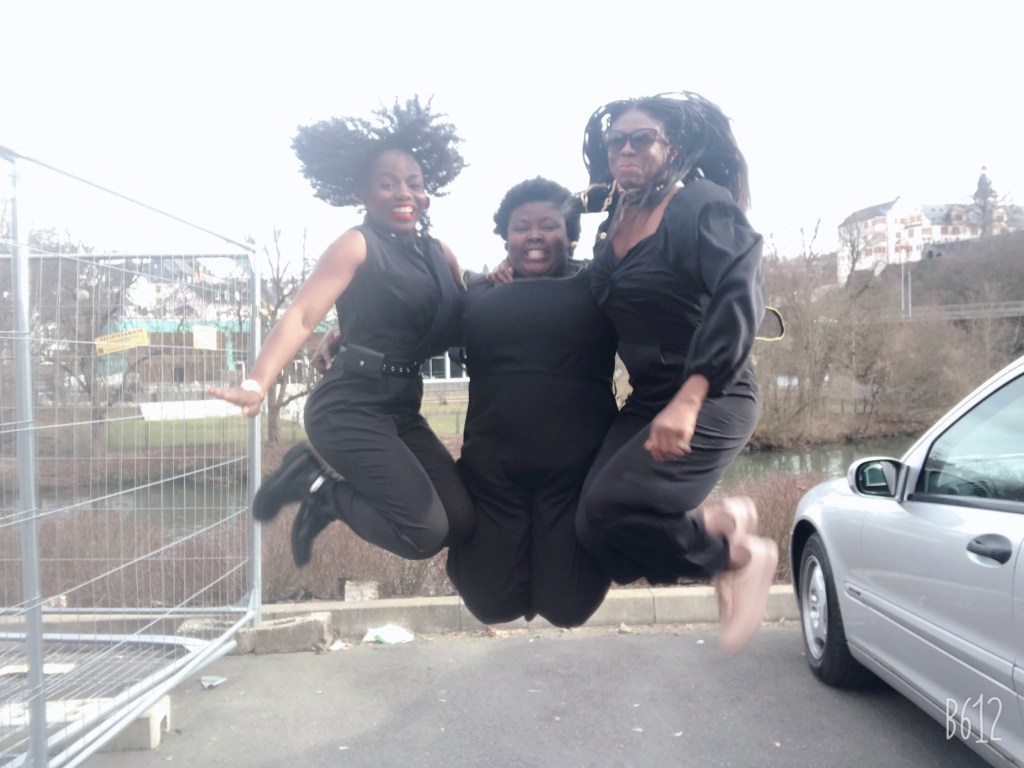
The three ladies Musketeers ❤️💎.
08.04.2021 is three days now, and I am still in a loop. Prisca’s Mother and Poor brother who found her are still in a dream!!!!
Prisca PRISCA PRISCA PRISCA!!! Bikonu 😭😭😭😭😭😭😭😭😭😭😭😭 , this is a shock that we all want to wake up from. But you are Gone, torn from us. The only comfort we can have is that you loved your God, and I am sure you are singing and dancing for him right now. The loss is so hard for a young, most talented woman to be gone so soon.
I am glad we could go on the last trip last week to Weilburg. I am so happy we all ate, danced, talked deeply, and I am so grateful to God that I always made you laugh. The 21.03.2021 was our sendoff unknowingly for you, (as a friend put it). I pray for the comfort of the Lord should be onto your Mother and family. They need it the most.
Glory be to God like you always say! Rest in God’s blossom.
It’s been 24 days since you left us. We are still shocked, and I Pray God consoles and comforts your Mother, Brother, Uncle and other Family members. Even though it was a Painful Exist, we still give God the glory for a life well spent as yours. You birthed peace and love everywhere you went to, your Aura was so soothing and not to be compared with; your slowness to everything was a powerful tool that no one can imitate because even though you were slow, you were still fast. Little by little, it is coming to a Realisation and oh, we miss you so dearly.
I love you, we love you and thank goodness you knew it.
You are Gone, but never will be forgotten and always Cherished in our hearts.
Today’s Post will be focused on how we can heal our inner self with forgiveness and things that we can do to grow forward regardless of the pain you might have had for this situation or person.
You know how the word forgiveness is always thrown around like some piece of cake !! Very easy to say but one of the hardest thing to do? Oh, it is hard. I know it, and you also do know it is hard. Well, for some, it is easy to forgive, and for some, it is easy to say they have forgiven but always bring it up in every situation, which I can say I fall into that category, to be honest with you all. 😂
Forgiveness isn’t about agreeing with what they did. It’s also not allowing what they did to you to steal your peace of mind, your hope, happiness. It is about your healing.
M.C
First of all, I will start by writing about what forgiveness is not about because there is a lot of misconceptions about it;
Forgiveness is not being in denial about what the other person did to you. By them not taking responsibility for hurting you and how that wounded feeling has impacted your life, let’s take, for example, if you were abused or cheated on, you could not simply forget it never happened or deny that you cannot remember because those occurrences have affected you and therefore will have an impact on your upcoming relationship with someone else.
Forgiveness certainly does not mean Reconciliation. I can attest to this; My aunt hurt me so bad, and I had to forgive her so that I could grow and for my peace of mind, but I stopped calling, asking about her and just parted ways with her because we could not go back to how we were before. It was a very toxic relationship. You can forgive someone but choose never to have anything to do with that person again, maybe because of whatever you felt objected to in that relationship.
Secondly, let’s talk about what forgiveness is all about
Forgiveness is interpreted in a lot of ways, but the simplest to say is that no matter what has happened in any of our lives at this moment, we can be at peace, be it five minutes ago or five years ago. Forgiveness is an assertive or creation of peace in the present. People create a lack of stability, so we can also be the only people who can remedy the situation.
Fred Luksin
This step is an intentional and voluntary process by which you may have been offended, maltreated, injured or victimised, but choose to let go of the malice, hostility and bitterness raging up in you.
This step is an intentional decision you have to make by yourself, and let me tell you; it is not all ❤️. You will not like it or feel all contented afterwards. Being intentional is an option you decide to click on because you want to move past the experience of hurt and bitterness. The pain is holding you back on a lot of happiness, peace of mind, developing your potentials and freedom. When you realise that you keep going back to what that person had done to you and how it hurts, you would know that you are stuck in a place of unforgiveness, which inhibits your progress because you are still tied to that pain occurrence. Being Intentional about this is a process, and it means you have to walk it out
The other step is being voluntary about forgiveness which means only you can do it, not someone else but yourself. An example will be when you are in a quarrel with your partner, and this person does not want to own that he/she is wrong and blames you for what you did not do, but then you still choose to forgive that individual.
The truth is unless you let go, unless you forgive yourself, unless you forgive the situation, unless you realise that the problem is over, you cannot move forward.
Steve Maraboli
The process is not an overnight process. It takes time. For me, I have to call out that person name, and I have to keep repeating it from my hearts of hearts in meditation to say I have forgiven that person. I also have to talk about it to know I am in the process of forgiving that person because I choose to do it with willingness and time.
Finally, this is all about consideration and empathy. You can check my post on https://princessanyasodor.com/2020/09/06/do-you-think-our-modern-society-lacks-empathy/. Forgiveness is also about having the power to live your life with a sense of hope, joy, resilience, understanding and compassion because you are working on yourself. I am still learning, trying and meditating because this life no easy oooo. When people show you (shege),😔 you want to revenge, but then you think about it and understand that that person does not know any better. P.S (shege means problems or when people show you their true hurtful sides)
I will stop here and would love to hear some of your opinions on how you forgive people or do you even forgive? Please comment below and we can chat.
Thank you for the love ❤️ we see back here tomorrow for Daily Post Day 6.
Do you always have that gut feeling? When you know something is off, and you don’t have peace about a situation and a person? Do you sometimes have that little voice that comes so fast and slips away like it was never there?
Today we will be talking about the practical side of discernment and how you can listen to your gut as it can prevent or forewarn you on what’s about to come.
Firstly, what is Discernment?
It is defined as the ability to decide between truth and error, right and wrong. Discernment is also the ability to make careful distinctions in our thinking about the fact. In other words, it is the ability to think biblically.
John MacArthur
For a while now, I have been reading about what it means, and to be honest, it is mainly linked 🔗 to various biblical quotes and readings of the Bible. It is a gift that comes from God, and that each of us has this gift as an insight to penetrate past a person veneer and the surface of a situation and also past the words that a person is using to judge people and situations accurately and when I say judge I do not mean passing judgment on as I wrote on my other post https://princessanyasodor.com/2020/02/03/judging-others🎤🎤/ I mean judging as in assessing and evaluating.
When you are tapping into your gift of discernment, you can access and evaluate people in their motives and the situations that you find yourself in. This post discusses how to know when to listen to your inner guts and tap into the flow and let God show you what you need to do in any given situation.
Now you are thinking about what this is. These are those precise and concise words that flash through your mind or linger behind your mind like. For example, there is a nice person you know, but whenever you are around that person, you always do not connect with that person, or your friend tells you to come with them to a party and you have this little voice telling you not to go, or a mother who tells her son not to go out with some friends for a reason she actually cannot place her finger on, and so on. Some examples of these words are;
Don’t go
Stop
Pause
Get out now
Get more information
Step back
Don’t talk or hold your thought
Walk away
Don’t argue
Pick up the phone and call
Say I am sorry
These feelings, or skill, as I would put it, is up to us to nurture that seed of discernment that we have inside of us. So that when it’s time to discern people in their motives and situations it can be utilised. It can be nurtured in various ways, like through meditation or prayer. The more time you spend alone meditating or praying, the better tuned your spirit is to reading people better and seeing through their charades. These thoughts sometimes make you not sleep at night because it weighs heavily on your mind. When you have these thoughts, you desire one thing, but in retrospect, it is not suitable for you.
Do you know that saying? That Every disappointment a blessing? Oh yes! Sometimes it is true! I am sure you must have also irked when you are around someone or even before getting into a relationship, but because that person was packaged just the way you like and want, you just decided to throw that intuition to the wind and then later it grows and bites your ass.
An important message is: when you are dealing with someone, you are also dealing with their frequency.
Princess 👑
Ways to know and surrender to your inner self in discerning situations.
Surrending; paying attention to your inner self by meditating
Calmness; that peace of mind you have about something and sure enough to walk away from it because it’s not good for you even though you want it.
Empowerment; empowers us to act in accordance with our own lives and be able to act on our behalf
I have a friend who has the spirit of discernment, and it is an obvious one. Funny enough, when she tells her husband not to do something or to do something, he dismisses her. Then later that same thing, she warned him about rebounds, and he calls her a Wi###. ( you know 🧐)
Discernment is focusing on others and not on self because it allows you to assess if whatever situation you are in is good for you or not.
I will have to stop here for now and continue more on this topic next time. Please do leave a comment on how you see through the social mask people wear? And how do you deal with it? I will be happy to hear from you. Thank you
We will see here tomorrow on day four of daily post.
My dream of a better Nigeria 🇳🇬 is a Dream of a better me.
A better me bettering my surroundings, being kind, uplifting, motivational, aspiring and passionate to my people, friends, Family, coworkers and anyone i come in contact with.
A better Nigeria 🇳🇬 is a better me not collecting bribes, not coming to the notion of doing my neighbor bad, being covetous, hating on others struggles and not being contented with what i have.
A better me is a diligent worker. There is a saying in German that says;
“Pray as though no work could help, and work as though no prayer could help”
When I work hard, I have no time for anyone. I only have time in bettering myself .
Work is a short form of Productivity.
When I work hard, I tend to dream big because I know i will get there through my efforts and consistency. This notion does not work the other way round that is; when I don’t work but I tend to dream Big. NO!!!! It doesn’t work that way.
My dream of a better Nigeria is a better me helping the Blinds, the people with intellectual disabilities and people with moderate mental retardation. In all these cases and more is my country so back on the knowledge of these people.
A better Nigeria is when I stop complaining that Nigeria is bad and our leaders are corrupt and start to be a better me.
A better Nigeria is a better me bringing in focus on our strengths and the drive force behind us as a people.
Nigerians everywhere, anywhere, anytime are the most resilient, happy, cheerful people regardless of their situations.
It is better if we could start being better Nigerians by teaching ourselves and empowering ourselves to be able to empower the people around us.
I will try and I hope you all would too.
I AM A LIVING TESTIMONY.
P.S I would love ❤️ to see your comment on how you can better yourself and your country. Thank you 🙏.
I have seen Arse lickers, i have seen people who belittle themselves or think if they lick arses they would be pitied or given a share or rather be favoured.
According to oxforddictionaries the definition is ;
You all know we live in an arse-licking economy.
The realisation of your entity or rather your life comes in when you feel shrunked, crowded or overpowered than you can imagine. Then you start Feeling that you have no choice than to give in or even start agreeing against your principles and practices.
This is the life we live in, making people bend into not what we envisioned for ourselves but for the purpose of comfort and peace to reign.
Have you ever thought about people who goes against the comfort of others are seen as aliens? Or people who refuse to lick arses are seen as non compromising, too loud, empty space and also as stupid people untill this people start making money, or start making waves and also been heard.
You don’t have to conform, you don’t have to be quiet, you don’t have to listen to anyone or other people choices for you!!, You don’t have to put other peoples consideration before yours, you don’t have to live behind the norm of the societies you live in.
YOU HAVE TO BE YOU.
I tell myself Princess be you. Don’t let anyone try to say, you too loud, or you too happy, or don’t sing any more, or you too local, or you too old, or you too skinny, or you too fat or you won’t make it life or in a relationship, or you too sick or too fit.
Look don’t let anyone decieve you in saying too much of everything is bad. I think it is better to be or have too much as too less. If you like something go for it and if you dont like something change it or rather leave it.
Rather than licking arses to get what you want stand up for yourself and get something done!!
You can share your thoughts and experience of what you think. Would love to know.
These words i chant to myself as i was on the train going to work, when i finally realised… i had to get out from this cocoon of laziness i set in my brain. Since this month began, i have had this feeling of .. i don’t give a f💟k attitude on not doing anything. Which has really been a pain to me, cause i feel weak and useless doing nothing.
If you are out there and also feeling this way… raise your hands please😂🙋🙋
There are many types of i dont give a f💝k attitude and mine was the one that can make someone loses focus on his/her purpose in life. 😢😢😢 and thats definitly not my aim.
On my last Post I spoke about ‘what is your Purpose in life’ seriously i began to doubt me, myself and I 😒🙆🙆 in the sense that in this month of January, I had a NULL, ZERO, NO Orientation and Motivation mood in either reading, going to the University, being creative or the zeal to go to work.
I told a friend of mine (Opons) her nickname. How I was feeling and she said if everyone was feeling this way, definitely not me and I said why not? I mean everyone goes through this Phase in life and even more. So why not me?
So dont beat yourself so much… at least that’s what i tell myself 😂😂👸👸 and I try to think positive and know that no Condition is Permanent.
Every year people set goals on what to achieve… and some say they do whatever pleases them… 😂or (as the spirit leads). But for people like me it has to be clear. I have to know how, when, and what I have to do in order to see my thinking or dreams comes to Realisation. Maybe it’s because am a Virgo…… 😕😕😕
Anyways I had to write this to tell anyone who reads this that regardless of what you are going through, sickness, hardship, no Motivation, no orientation, no money, or if you lose someone. Bear it in mind that you are not alone and no one can help you rise out of whatever pit you are in if you dont talk to yourself.
Talk to yourself… every day and also pray.
Please share with me and others in the comment section below on how this year been so far.
Happy new year my darlings and great success and achievement in everything you do.
P.S. I also devote this Text to my Cousins the Georgewills and pray God consoles them on losing their father my Uncle and a friend who lost her Mum.
I have always asked myself this question but within the next second it leaves my mind or rather i thwart it away and focus on something else to organize in my brain.
Some people would love to travel, get married, have kids, learn new things, get rich, Study, buy expensive and Luxury cars, build good houses, meet their Idols, be Singers, renowned Artist and Professionals at whatever their choice of Career they choose.
I for one has always pondered what I wanted to be. As a kid I wanted to be a Doctor or an engineer (my family can attest to this I could repair practically everything… I mean tv’s and radios😛).
It was fixed in my head. But I loved to dance, listen to Music,(I could sing the whole playlist from the Radio), Pest people😂😛and also make people laugh.
I studied in the direction of my dreams but was not so sturdy like I thought I would be. Till I found what I love to do. Media.
Your purpose in life should be what Fulfils you. My childhood friend Blessing O. David said
Every one should find out what he has been called here for by God, and what God wants us to do with whom and how he wants us to do it.
I think for me its Happiness. Happiness is not a Livestyle but a choice between what works for you or rather what keeps you going, moving, motivates you, encourages you, wants to make you help others and also wants to make you live for another day.
Am still on the journey on finding my Purpose in life and also praying i keep getting directions on it.
My questions for you is, what is your purpose in life? And how do you intend to achieve it?