Daily Post, mental well-being, Sport Challenge, Student Life Abroad, Uncategorized, Walking

Which Physical Activity Is the Most Fun?

The only way to prove that you’re a good sport is to lose.

Ernie Banks

When it comes to staying active and healthy, one question always pops up: Which physical activity is the most fun? The answer can be different for everyone, but for me, itโ€™s a mix of walking and weight training. These two simple yet powerful activities not only keep me fit, but they also bring joy, motivation, and a real sense of achievement into my daily routine.

The Joy of Walking

Walking is often underrated, but itโ€™s honestly one of the most enjoyable and accessible forms of exercise. Whether itโ€™s a peaceful stroll through the park or a brisk walk to get your heart rate up, walking is a fantastic way to stay active without needing any special equipment.

Here are some of the key benefits of walking:

โ€ข Boosts mental health โ€“ A good walk can clear your head, reduce stress, and even help with anxiety and depression.

โ€ข Supports heart health โ€“ Regular walking improves circulation and lowers the risk of heart disease.

โ€ข Aids in weight management โ€“ Itโ€™s a low-impact way to burn calories and keep your metabolism active.

โ€ข Improves mood and energy โ€“ Getting those steps in can really lift your spirits and boost your energy levels throughout the day.

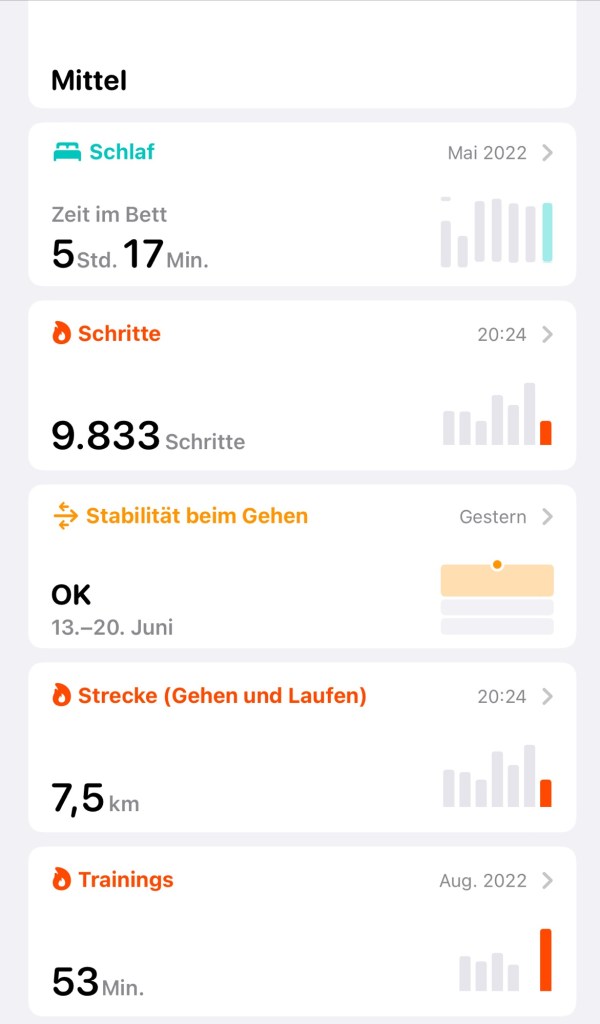
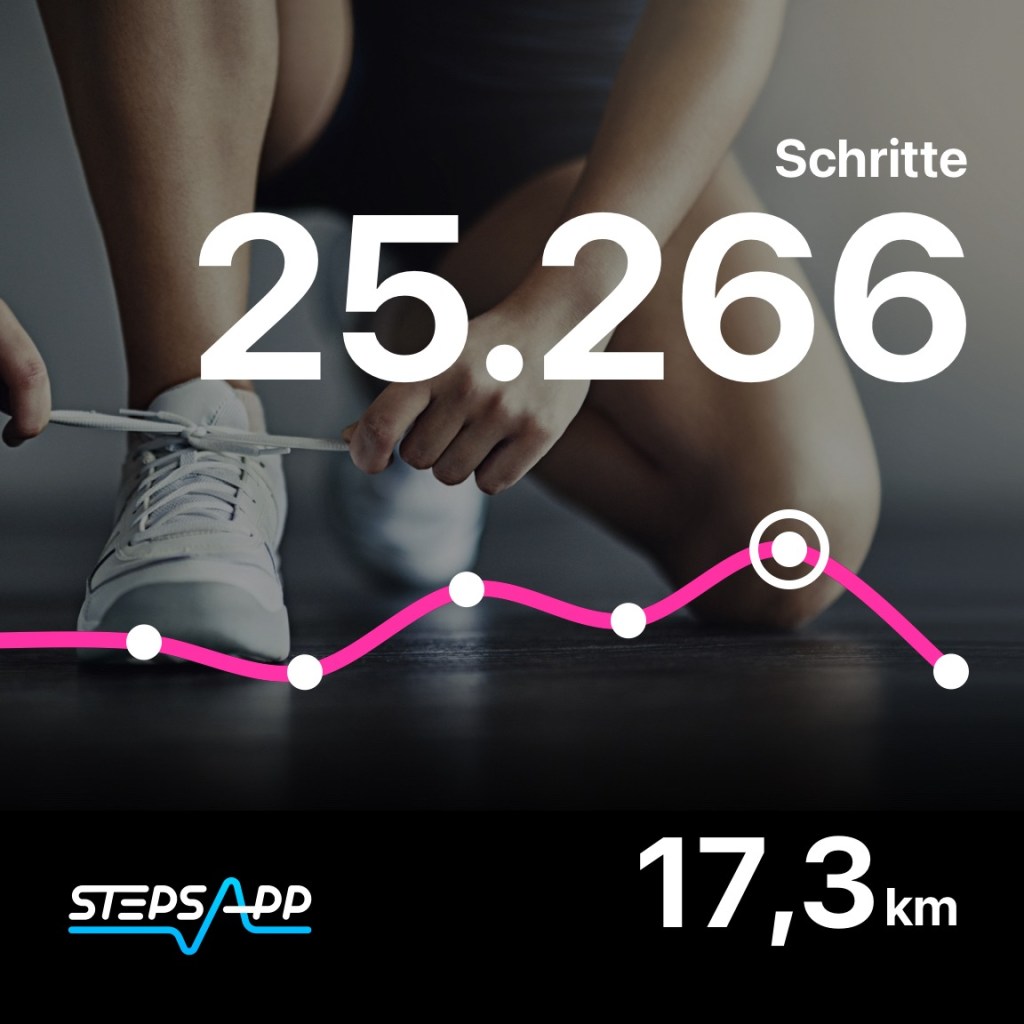
To stay on track and motivated, I use apps like StepApp and Sweatcoin. They not only help me keep count of my daily steps and miles, but some even reward you with points or coins that you can redeem for rewards. It adds a fun, game-like element to my fitness journey!

The Power of Weight Training

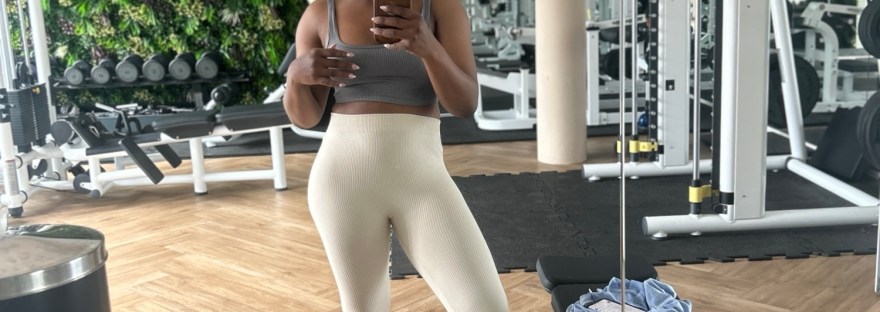
Alongside walking, I absolutely love training with weights. It makes me feel strong, confident, and empowered. I follow Caroline Girvan on YouTubeโ€”she is so good! Her workouts are challenging but doable, and she has a really motivating and down-to-earth presence that keeps me coming back.

Weight training isnโ€™t just about building muscleโ€”it has many other benefits:

โ€ข Strengthens bones and reduces the risk of osteoporosis.

โ€ข Improves posture, balance, and coordination.

โ€ข Boosts metabolism, helping you burn more calories even at rest.

โ€ข Increases functional strength for everyday tasks.

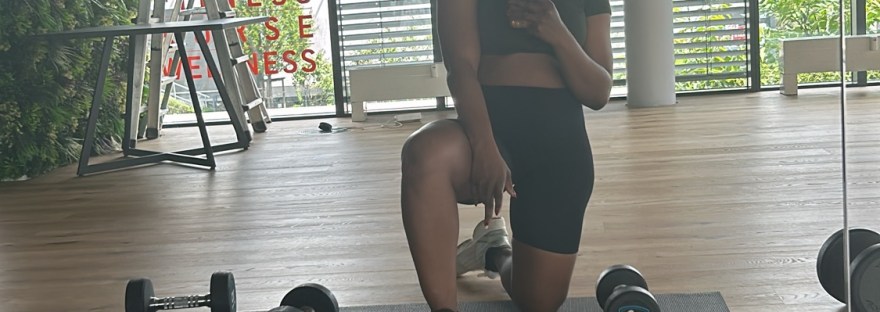
Dumbbells ๐Ÿ’ช

Carolineโ€™s structured programs and no-nonsense approach make it easy to stay consistent. Whether Iโ€™m using dumbbells or bodyweight, I always finish her workouts feeling accomplished.

So, which physical activity is the most fun? For me, itโ€™s all about the combinationโ€”walking for peace of mind and fresh air, and weight training for strength and resilience. Finding what you truly enjoy is the secret to staying active for life. It doesnโ€™t have to be extreme or complicatedโ€”just something that moves your body and makes you feel good.

Whatโ€™s your favorite way to stay active? See you at my next post bye๐Ÿฅฐ

Daily Post, Emotions,, Expat Experience, Job seeking, Motivation, Packing Tips, Relocation & Immigration, Stress, Love, Motivation, Student Life Abroad, Travel & Moving, Uncategorized, Zeit

Helping Your Child Maintain Connections with Their Home Country While Living Abroad

Moving abroad opens up new opportunities and experiences for families, but it can also lead to a gradual disconnect from one’s roots, especially for children. As children grow up in a new environment, it’s easy for them to feel detached from their home country, particularly when the parents do not actively nurture those cultural ties. It’s crucial for parents to help children embrace both their new identity and the rich heritage of where they come from.

Understanding the Emotional Disconnect

Many children who move abroad at a young age or are born in a new country may grow up identifying solely with their current surroundings. Over time, they might lose interest in their native culture, language, and traditions, especially if those elements arenโ€™t actively preserved at home. One of the often overlooked reasons for this is that parents, while trying to adjust themselves, unintentionally downplay their home country. Understandably, in cases like Nigeria, the economic and social challenges are real. However, constantly speaking negatively about oneโ€™s home country in front of children can create a sense of shame or rejection of their roots.

Parents must recognize that although they have moved for a better life, they are still foreigners in their new land. Their children, especially those born abroad, are at risk of growing up without a sense of true belonging neither fully here nor there. In this case, it’s essential to instill pride in where they come from, even while embracing the new.

Celebrating Cultural Traditions

Keep cultural celebrations alive at home. Mark holidays, cook traditional meals, play cultural music, or wear cultural attire during festive seasons. These small yet powerful acts reinforce a sense of identity and help children connect emotionally to their heritage.

Tip: Involve children in these celebrations. Let them learn the meaning behind traditions and take part in preparations. This will create cherished memories and strengthen their cultural ties.

Keeping the Language Alive

Language is one of the strongest links to a person’s heritage. Speak your native language at home or mix it into daily communication. Even if the child responds in the dominant language of the new country, continued exposure helps keep their linguistic connection alive.

Tip: Storytelling, songs, movies, and books in your home language can make learning fun and less forced.

Staying in Touch with Family Back Home

One of the most damaging effects of migration is when children grow up not knowing their extended family. Due to family disputes or emotional distance, some parents may cut ties or limit contact. While parents have every right to protect their well-being, children should not be deprived of the knowledge that they have family back home.

Tip: Arrange regular video calls, send gifts or letters, or even share stories about family members. If possible, plan visits to your home country so children can see where they come from.

Balancing Two Worlds

Teach your child that they donโ€™t have to choose between their identity as a member of the new society and their cultural heritage. They can belong to both. Balance is key.

Encourage friendships across cultures, but also introduce them to children who share similar roots. This helps normalize dual identity and makes them feel less alone in their experience.

Final Thought

Your childโ€™s connection to their roots depends largely on how you present it. If you value and celebrate your culture, they are more likely to do the same. It’s not about glorifying everything back home but recognizing its significance. Let your children grow up knowing where they come from, so they can stand tall wherever they go.

Let me know how has it been for you since you migrated with your kids? Please kindly share, like,comment and also subscribe. I am happy to hear from all of you. till my next post.

Daily Post, Expat Experience, Job seeking, Packing Tips, Relocation & Immigration, Student Life Abroad, Travel & Moving, Uncategorized

Mistakes to Avoid When Applying for a Work Visa for Germany

Germany is one of the most sought-after countries for work opportunities, offering a range of visa options for highly skilled professionals, tech experts, and workers in a variety of fields, including nurses, doctors (of all specialties), and other unskilled professions. While Germanyโ€™s demand for qualified workers is high, especially in healthcare, logistics, and skilled trades, the work visa application process can be complex. Mistakes are easy to make, and avoiding common pitfalls can save you time, money, and unnecessary stress. Below are some critical mistakes to steer clear of when applying for a work visa for Germany.


1. Not Checking the Visa Type

One of the most common mistakes is applying for the wrong type of visa. Germany offers several visa categories depending on your profession, skills, and job. There are work visas for highly skilled professionals like IT experts, engineers, and tech specialists, but there are also visa options for unskilled professionals in fields like healthcare, logistics, and construction. For example, the EU Blue Card, Job Seeker Visa, and skilled worker visa are tailored for specific roles. Understanding the various Blue Cards available for IT professionals can help ensure you apply for the correct one.

Types of EU Blue Cards

  • EU Blue Card for IT Professionals (with formal qualifications): This is the most common type for IT professionals who have formal qualifications, such as a university degree in IT or computer science. Applicants must meet a salary threshold, which is typically higher than other professions.
    • Requirements: A university degree or comparable qualification, a job offer with a salary above the threshold (currently around โ‚ฌ56,800 annually), proof of qualifications, and sometimes language proficiency.
  • EU Blue Card for IT Professionals without formal qualifications: This category is designed for IT professionals who may not have a formal university degree but possess significant professional experience in the IT field. These applicants must prove their expertise and relevant work experience.
    • Requirements: At least five years of relevant work experience in IT, a job offer that meets the minimum salary requirement (typically โ‚ฌ43,056 annually for the general IT sector), and evidence of specialized skills. In some cases, this can include certifications, technical expertise, and specific job experience.
  • EU Blue Card for Other Highly Skilled Professionals: This card is also available for professionals in fields such as engineering, medicine, and other sectors requiring specialized expertise. Itโ€™s aimed at professionals with at least a university degree and relevant qualifications.
    • Requirements: A recognized university degree, a job offer in a highly skilled profession, and a salary offer meeting the specific threshold. For instance, for healthcare professionals like doctors or nurses, the salary requirement may vary based on specialty.

Job Seeker Visa:

For individuals who donโ€™t yet have a job offer but are highly skilled and looking for employment, the Job Seeker Visa is an option. This visa allows you to stay in Germany for up to six months while searching for a job that aligns with your skills and experience.

  • Requirements: Proof of financial stability to support yourself during your stay, a university degree or comparable qualification, health insurance, and sufficient funds for your stay.

Skilled Worker Visa:

This is for professionals working in non-IT fields, like healthcare, skilled trades, and other specialized sectors. The Skilled Worker Visa does not require a university degree but does require vocational training or substantial professional experience.

  • Requirements: Vocational training or relevant professional experience, a job offer in Germany, and proof that the salary meets the requirements. For example, a nurse might need a nursing qualification or a specific trade certificate.

Tip: Research the visa that matches your specific profession and qualifications before starting your application. Applying for the wrong type of visa can delay the process and may even lead to your application being rejected.


Professional in Healthcare (Nurse, Doctor) with Visa Documents

2. Incomplete or Incorrect Documentation

Germanyโ€™s immigration office is strict when it comes to documentation, and submitting incomplete or incorrect paperwork is a common reason for visa rejections. Key documents such as proof of qualifications, a signed job contract, and proof of health insurance are essential.
Tip: Double-check all documents before submission. Make sure your qualifications are verified, and your contract is clear and specific about your role and salary. Missing any document can lead to long delays.


3. Failing to Meet the Language Requirements

Depending on the type of work visa, some applicants might be required to demonstrate a basic knowledge of German, even if their job doesnโ€™t demand it directly. Many professionals overlook the fact that language skills can impact their application.
Tip: If your job requires interaction with clients or local teams, showing a basic level of German can strengthen your application. Consider taking a language course if youโ€™re unsure of your proficiency.


4. Not Understanding the Salary Requirements

For certain work visa categories, such as the EU Blue Card, there are specific salary thresholds that must be met. Many applicants mistakenly assume that the salary requirement is the same for every profession or forget to include bonuses and benefits in their salary calculation.
Tip: Make sure your job offer meets the salary threshold for your visa type. If your salary is close but not quite at the threshold, you may need to negotiate your compensation package.


5. Underestimating the Processing Time

Applying for a work visa can take time, often several months, especially for highly qualified jobs. Some applicants start the process too late or underestimate the time required for visa processing, leading to unnecessary stress when itโ€™s time to travel.
Tip: Plan ahead and start your application process early. Consider processing times for both your visa application and document verification. A well-timed application will ensure a smoother experience.


6. Overlooking Health Insurance Requirements

Health insurance is mandatory for anyone living in Germany, including those on a work visa. Many applicants neglect to arrange for the right health insurance coverage before applying for their visa. This can lead to delays or visa refusal.
Tip: Ensure you have the appropriate health insurance coverage, whether public or private, that meets Germanyโ€™s requirements. Provide proof of insurance when submitting your visa application.


7. Ignoring Local Regulations and Updates

Immigration laws in Germany are subject to change. Applicants sometimes fail to keep up with new regulations or overlook any changes in the law. As a result, they may end up applying under outdated conditions.
Tip: Stay updated on any changes in immigration laws or visa regulations. Regularly check the official German government website or consult with an immigration lawyer to ensure youโ€™re applying under the correct rules.


Final Thoughts

Applying for a work visa in Germany can be a complicated process, but with the right preparation and awareness of common mistakes, you can avoid unnecessary delays and increase your chances of success. Take the time to understand the requirements, double-check your documents, and stay informed on any changes to the application process.


Have you applied for a work visa for Germany or are planning to? Share your experiences and any tips you have for others in the comments below! Letโ€™s help each other navigate the visa process with ease.

Daily Post, Expat Experience, Relocation & Immigration, Student Life Abroad, Uncategorized

Adapting to the Changes Brought by the COVID-19 Pandemic

“Adaptability is not a sign of weakness; it’s a testament to your strength and resilience”

The COVID-19 pandemic reshaped the world in ways we never imagined. From how we work to how we interact, shop, and even think about our future, the changes have been both profound and lasting. As a career-oriented individual, Iโ€™ve had to adjust to a new normalโ€”one that includes working from home, navigating a rising cost of living, witnessing an increase in migration, and adapting to the surge of social media influencers and their often bizarre trends. But these are just a few of the transformations. Letโ€™s take a look at the major ways life has changed after COVID-19 and how weโ€™ve had to adjust.

1. The Work-from-Home Revolution

Before the pandemic, remote work was a luxury for most professionals. Today, it has become a necessityโ€”or even a preference. Many companies have adopted hybrid models, while some have gone fully remote. Personally, the transition to working from home required discipline, a dedicated workspace, and mastering virtual communication tools. While it saved commuting time, it also blurred the lines between work and personal life, making it essential to set boundaries to avoid burnout.

2. The Cost of Living Has Skyrocketed

Everything has become ridiculously expensiveโ€”groceries, rent, fuel, and even basic services. Inflation surged post-pandemic, driven by supply chain disruptions and increased demand. Many people have had to rethink their spending habits, cut down on luxuries, and seek alternative sources of income to stay financially stable. The pandemic highlighted the importance of financial literacy and having an emergency fund.

3. Increased Migration and Digital Nomadism

With remote work becoming mainstream, many professionals moved away from expensive cities to more affordable locations. Countries started offering digital nomad visas, making it easier for people to live and work from anywhere. At the same time, economic challenges and political instability in some regions have led to more migration worldwide. Adapting to this means learning to be more open to cultural diversity and understanding different perspectives in a globally connected world.

4. The Rise of Social Media Influencers and Trends

Lockdowns forced people to spend more time online, fueling the rise of social media influencers. TikTok, Instagram, and YouTube saw an explosion of content, with influencers setting trends that sometimes made senseโ€”but often didnโ€™t. From bizarre challenges to viral beauty hacks, the influence of social media on consumer behavior and lifestyle choices has never been stronger. Learning to filter through trends and focus on what actually adds value to life has become a necessary skill.

5. Mental Health Became a Priority

The pandemic triggered widespread anxiety, loneliness, and burnout. More people started openly discussing mental health, leading to a greater acceptance of therapy, mindfulness practices, and self-care routines. Personally, I had to develop new coping mechanisms whether it was taking regular walks, meditating, or simply unplugging from social media (deleting TikTok) to maintain balance.

6. E-commerce and Cashless Transactions Are the Norm

Online shopping became a lifeline during lockdowns, and even after restrictions eased, many people continued to prefer e-commerce over traditional shopping. Contactless payments, digital wallets, and crypto transactions have become increasingly popular, making cash nearly obsolete in some places. Businesses that didnโ€™t adapt to the digital shift struggled, while those that embraced e-commerce thrived.

7. Education and Upskilling Have Changed

Online learning platforms saw a boom as people sought to upskill or switch careers. Virtual education has become more accepted, and many companies now prioritize skills over degrees. Personally, I took advantage of this by enrolling in online courses to stay competitive in my field. The traditional model of education is evolving, and continuous learning is now more important than ever.

8. Travel Became More Intentional

The travel industry suffered a massive hit during the pandemic, but when borders reopened, people approached travel differently. Instead of quick weekend getaways, many now prefer longer, more meaningful trips and often combining work and leisure (a.k.a. โ€œworkationsโ€). Health precautions remain a priority, with travelers being more conscious of hygiene and safety protocols.

Conclusion

The post-pandemic world is still evolving, and adapting to these changes requires resilience, flexibility, and a willingness to embrace new ways of living and working. While some changes have been challenging, others have opened up new opportunities for growth and innovation. The key is to stay adaptable, continue learning, and focus on what truly matters.

What major changes have you had to adapt to since COVID-19? Letโ€™s discuss in the comments!

Daily Post, Expat Experience, Job seeking, Relocation & Immigration, Uncategorized

How to Use LinkedIn Effectively for Job Seekers

LinkedIn is one of the most powerful tools for job seekers, offering a platform to connect with professionals, search for jobs, and build a personal brand. I have used it to get all my Job and it has been the best so far. However, simply having a profile isnโ€™t enough to stand out. To truly leverage LinkedIn, job seekers need to know how to optimize their profile, network strategically, and engage with content effectively. Here’s a step-by-step guide on how to use LinkedIn to enhance your job search and increase your chances of landing the right role.

Learn how to use LinkedIn effectively for your job search. Discover LinkedIn profile optimization tips, networking strategies, and how to engage with content to land your dream job.


Your LinkedIn profile is your digital resume so make it shine!

1. Optimize Your LinkedIn Profile

Your LinkedIn profile is your online resume, so it needs to be optimized to attract recruiters and hiring managers. Follow these tips to enhance your profile:

  • Professional Profile Picture: Use a high-quality, professional photo. Aim for a headshot with a neutral background and a friendly, approachable expression.
  • Headline: Your LinkedIn headline is prime real estate. Instead of just listing your job title, make it more descriptive, showcasing your skills and what you bring to the table (e.g., โ€œDigital Marketing Expert | SEO Specialist | Helping Brands Grow Onlineโ€).
  • Summary: Write a compelling summary that highlights your skills, experience, and career aspirations. Use it to tell your story and what makes you unique and why you’re a valuable candidate. Donโ€™t just list job titles but also focus on accomplishments and impact.
  • Experience and Skills: List relevant job experience and make sure to include skills that align with your career goals. Use specific keywords relevant to your industry to improve searchability.
  • Recommendations: Ask colleagues or former employers to write you recommendations. They act as social proof of your abilities and can add credibility to your profile.

Tip: Use keywords throughout your profile that hiring managers are likely to search for. This helps ensure your profile shows up in searches related to your field.


2. Expand Your Network

Networking is one of the most powerful aspects of LinkedIn. Here’s how to use it effectively:

  • Connect with Industry Professionals: Reach out to people in your industry, including recruiters, hiring managers, and colleagues. Donโ€™t just add anyone, you need to be strategic and personalize your connection requests.
  • Join Groups: LinkedIn groups related to your industry are great places to meet new people, share insights, and stay updated on job opportunities.
  • Engage with Your Network: Donโ€™t just collect connections but also engage with them. Like, comment on, and share relevant content. This helps you stay visible and builds relationships within your network.
  • Attend LinkedIn Events: Join online webinars, workshops, or networking events. These are great opportunities to connect with professionals in your field and make meaningful relationships.

3. Search for Jobs Actively

LinkedIn is not just a networking tool but it’s also a job search platform. Here’s how to use it to find jobs:

  • Use Job Alerts: Set up job alerts on LinkedIn for roles that interest you. You can tailor alerts based on job title, location, and industry, so you get notified when new roles are posted.
  • Research Companies: Follow companies you’re interested in to stay up to date with their latest job openings and company news. This shows your interest in the company and helps you apply quickly when a new job is posted.
  • Apply Directly on LinkedIn: Many companies post jobs on LinkedIn. You can apply directly through the platform with just a few clicks. Keep your profile up-to-date to ensure quick and easy applications.

4. Share Relevant Content

Sharing content on LinkedIn helps build your personal brand and show your expertise. Hereโ€™s how to do it effectively:

  • Post Regularly: Share updates about your professional journey, industry trends, and thoughts on relevant topics. Regularly sharing content keeps you visible to your network.
  • Write Articles: LinkedIn allows you to write long-form articles. If you have expertise in a particular area, consider writing articles to showcase your knowledge and provide value to your audience.
  • Engage with Other Content: Comment on, share, and like posts from others in your industry. Itโ€™s a great way to stay involved and show that youโ€™re an active participant in your professional community.

5. Leverage LinkedIn Learning

LinkedIn Learning offers a wide range of online courses that can help you develop new skills and enhance your employability. Take advantage of this resource to stay competitive in the job market.

  • Skills Development: Courses on LinkedIn Learning are tailored to in-demand skills such as data analysis, project management, leadership, and more.
  • Certifications: Complete courses and showcase your certifications on your LinkedIn profile to make you more attractive to recruiters.

6. Engage with Recruiters and Hiring Managers

LinkedIn allows you to directly connect with recruiters and hiring managers. Hereโ€™s how to do it:

  • Send Personalized Connection Requests: When reaching out to recruiters, personalize your message and explain why you’re interested in connecting. Mention how your skills align with the types of positions they recruit for.
  • Be Professional and Courteous: Always maintain professionalism when interacting with recruiters. If they reach out to you about a job opportunity, respond promptly and courteously.

Final Thoughts

LinkedIn is a powerful tool for job seekers, but using it effectively requires more than just creating a profile. By optimizing your profile, expanding your network, engaging with relevant content, and using LinkedInโ€™s job search features, you can increase your chances of finding the right job. Whether you’re just starting your career or looking to make a career change, LinkedIn offers endless opportunities to connect with the right people and land your dream job.


Have you used LinkedIn to find your next job? Share your experiences in the comments below! If you need help optimizing your profile or networking strategies, feel free to reach out, weโ€™re here to help!

Daily Post, Expat Experience, Packing Tips, Relocation & Immigration, Travel & Moving, Uncategorized

7 Tips for Adapting to a New Culture Successfully

Moving to a new country is an exciting adventure, but it also comes with challenges. One of the biggest concerns many people face is adapting to a new culture while staying true to who they are. How do you embrace a new way of life without feeling like you’re losing yourself? The key lies in balance, welcoming new experiences while holding onto the values and traditions that define you.

When moving to a new country, I always advise people to dedicate 5-10 years to learning, observing, experiencing, and growing both through successes and setbacks. Relocating to a different continent, culture, language, and climate is no small feat, and itโ€™s important to be patient with yourself during the transition. Even the natives of that country face their own struggles, as challenges are a natural part of life. Rather than being too hard on ourselves, we should embrace the journey with resilience and an open mind.

Hereโ€™s how to do it effectively:

1. Understand the Culture Without Judgment

Cultural differences can be surprising, but instead of judging them as โ€œgoodโ€ or โ€œbad,โ€ try to understand the reasoning behind them. Learn about local customs, traditions, and social norms. Be open-minded, ask questions, and take time to observe how things work. This helps you integrate smoothly without feeling pressured to change who you are.

2. Stay Connected to Your Roots

While immersing yourself in a new culture, itโ€™s important to maintain connections to your own background. Cook your traditional meals, celebrate your cultural holidays, and speak your native language when possible. Watching movies or listening to music from your home country can also be a great way to stay connected. I remember when I first moved, my dad would send me CDs and DVDs of Owerri songs specifically Bongo music because he knew how much I loved them. I also watched and still watch Yoruba and Igbo movies on YouTube, which helps me stay connected to my roots and keep my language alive, especially during moments of loneliness. These small actions help keep you grounded and provide comfort in unfamiliar surroundings.

3. Build a Support Network

Finding a community of people who share your background can be incredibly reassuring. Seek out cultural organizations, expat groups, or online forums where you can share experiences with others going through the same transition. Having a support system helps you navigate cultural shifts without feeling isolated.

4. Blend Old and New Traditions

Rather than viewing your identity and the new culture as separate, find ways to merge them. If the new country has different holiday traditions, incorporate elements of both. By doing this, you enrich your experience rather than feeling like you have to choose one over the other.

5. Develop Cultural Intelligence

Cultural intelligence (CQ) is the ability to adapt and interact effectively with different cultures. Developing CQ involves being open-minded, listening to others, and accepting cultural differences rather than enforcing your own views. Iโ€™ve seen people live in Germany for 20 years without trying the local cuisine, not even knowing what a schnitzel is, while simultaneously frowning upon the way others live. Respecting a new culture doesnโ€™t mean losing yourselfโ€”it means understanding and appreciating different ways of life. This is especially important for parents, as embracing the local culture can help them better understand their children as they grow, integrate into school, and navigate the system. Iโ€™ll explore this topic further in another blog post.

6. Set Boundaries

Adapting doesnโ€™t mean you have to conform to everything. If something goes against your core values, itโ€™s okay to say no. Respect the new culture, but also expect others to respect your beliefs and traditions. Itโ€™s all about mutual understanding and coexistence.

7. Allow Yourself Time to Adjust

Cultural adaptation is a process. There will be moments of excitement and times of frustration. Give yourself grace, allow yourself to make mistakes, and understand that itโ€™s normal to feel out of place at times. With time and effort, youโ€™ll find a balance that feels right for you.

Final Thoughts

Adapting to a new culture doesnโ€™t mean losing your identityโ€”it means growing and evolving while staying true to your values. By embracing new experiences and maintaining connections to your roots, you create a meaningful and authentic life in your new home.

Are you navigating life in a new culture? Share your experiences in the comments below! What strategies have helped you adapt while staying true to yourself? Letโ€™s learn from each other and build a supportive community! ๐ŸŒโœจ

Daily writing prompt
Whatโ€™s something most people donโ€™t understand?
Christmas, Daily Post

Day 1: A Time to Reflect and Connect

As the Christmas season begins, thereโ€™s a special energy in the air ๐ŸŽŠ๐ŸŽ‰ one of excitement, nostalgia, and often a touch of chaos. Twinkling lights, bustling stores, and the hum of holiday music remind us of the joy and magic this season is meant to bring. But beneath the surface of this festive glow, many of us are quietly navigating personal struggles, unspoken worries, and emotions that donโ€™t fit the โ€œperfect holidayโ€ narrative.

For many, Christmas is more than a time for gifts and decorations ๐ŸŽ . Itโ€™s an opportunity for deep reflection. Itโ€™s a season that encourages us to pause and think about who we are, the lives weโ€™re living, and the connections we hold dear. Yet, in the rush to prepare and celebrate, we often brush aside the things that matter most: our mental health, our relationships, and the hidden truths we carry.

This year, I invite you to take a different approach to the holidays. Letโ€™s go beyond the surface. Letโ€™s talk about the things we donโ€™t always feel comfortable bringing up. What do we do when our kids witness arguments at home? How do we handle the fear of losing a job? What does it really mean to embrace imperfection during a season that glorifies perfection? These are the questions that we often shove aside in favor of keeping the peace or sticking to holiday traditions.

Over the next 25 days, Iโ€™ll be sharing a blog post each day on topics that matter deeply to meโ€”and perhaps, to you too. From mental health struggles to the power dynamics in relationships, from societal pressures to personal battles, this series is about creating space for honest reflection. Itโ€™s about acknowledging that Christmas can be a time of joy and hope, but it can also be a time to confront hard truths and grow through them.

This isnโ€™t about judgment or blame. Itโ€™s about connection. Itโ€™s about sharing our experiences, learning from each other, and realizing that weโ€™re not alone in our struggles. We often underestimate the power of vulnerabilityโ€”the courage it takes to speak about the things weโ€™d rather hide. But by doing so, we open the door for healing, understanding, and, ultimately, change.

So, as we begin this journey together, I encourage you to set aside a few minutes each day to reflect on the topics weโ€™ll explore. Whether itโ€™s journaling your thoughts, discussing them with someone close, or simply sitting with them in quiet contemplation, I hope these posts inspire you to dig deeper into your own life and the world around you.

This Christmas, letโ€™s unwrap more than just presents. Letโ€™s unwrap the layers weโ€™ve built around ourselves, examine what lies beneath, and find the courage to grow. After all, the true magic of this season lies not in perfection, but in authenticity, grace, and connection.

Take 10 minutes today to reflect on what this season means to you. Grab a notebook, a piece of paper, or even just a quiet corner of your mind, and write down one thing youโ€™d like to focus on this Christmasโ€”something deeper than gifts or parties. What do you want to feel, heal, or change by the time the season ends? Let this intention guide you through the next 25 days.

Donโ€™t forget to comment, subscribe and share with your friends and family. Till Day 2 ๐Ÿฅฐโค๏ธ

Daily Post, Sport Challenge, Walking

Day 14: The Importance of Rest and Recovery in Your Walking Routine

Wie drรผckst du deine Dankbarkeit aus?

Welcome to Day 14 of our walking challenge! By now, you’ve covered a lot of ground, both literally and figuratively. Today, we’ll focus on an often overlooked but crucial part of any exercise routine: rest and recovery. Taking rest days is essential for your body to heal, rebuild, and grow stronger. Let’s explore why rest is important and suggest some activities for active recovery.

Walking and showing off Nails ๐Ÿฅฐ

The Importance of Rest Days:

  1. Muscle Repair and Growth:
  • Walking, especially on varied terrains or with added intensity, can cause tiny tears in your muscle fibers. Rest days give your muscles the time they need to repair and grow stronger.
  1. Preventing Injury:
  • Continuous walking without proper rest can lead to overuse injuries like shin splints, stress fractures, or tendonitis. Taking regular rest days helps prevent these injuries and keeps you walking longer.
  1. Mental Health Benefits:
  • Rest days aren’t just for your body; they benefit your mind as well. Taking a break helps prevent burnout and keeps you motivated and excited about your walking routine.
  1. Replenishing Energy Stores:
  • Your body uses glycogen (stored carbohydrates) for energy during exercise. Rest days allow your body to replenish these stores, ensuring you have enough energy for your next walk.

Activities for Active Recovery:

  1. Light Stretching:
  • Gentle stretching can improve flexibility, reduce muscle tightness, and enhance blood flow to your muscles, aiding in recovery. Focus on stretching your legs, hips, and back.
  1. Yoga:
  • Incorporating yoga into your rest days can provide both physical and mental benefits. Yoga helps stretch and strengthen muscles, improve balance, and reduce stress.
  1. Foam Rolling:
  • Foam rolling is a form of self-myofascial release that helps alleviate muscle soreness and improve blood circulation. Spend a few minutes rolling out your legs, back, and any other tight areas.
  1. Gentle Walks:
  • While it might sound counterintuitive, a gentle, low-intensity walk can actually aid recovery by increasing blood flow without putting too much strain on your muscles.
  1. Hydration and Nutrition:
  • Proper hydration and nutrition are key components of recovery. Drink plenty of water and consume a balanced diet rich in protein, healthy fats, and carbohydrates to support muscle repair and energy replenishment.


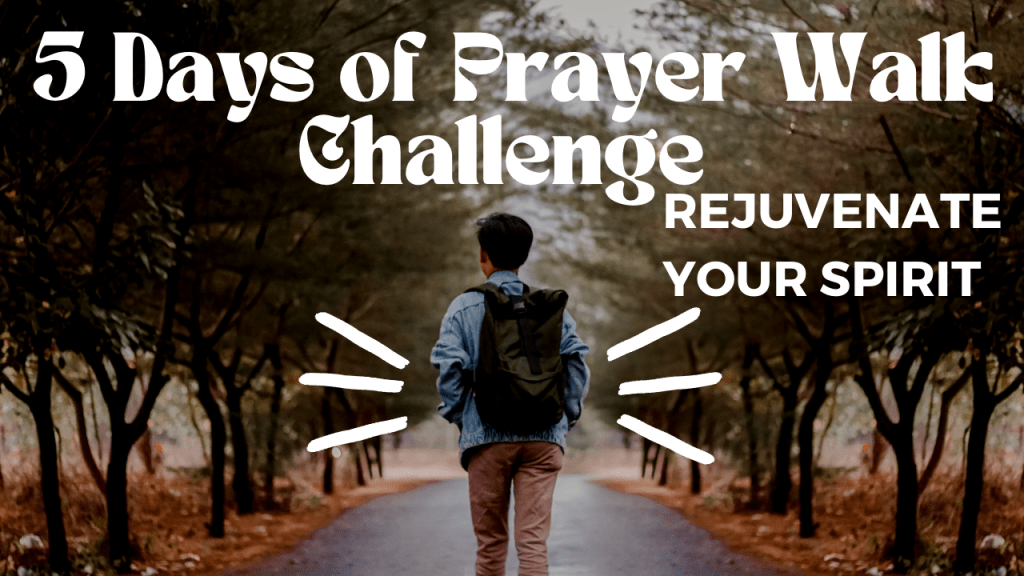
How do you incorporate rest and recovery into your fitness routine? Share your tips and experiences in the comments below. For more guidance and updates, donโ€™t forget to subscribe to my blog. Additionally, join our 5-DAY PRAYER WALK CHALLENGE: Rejuvenate Your Spirit on my YouTube channel. Watch the video below and please subscribe for more inspirational content!

YouTube Link: 5-DAY PRAYER WALK CHALLENGE: Rejuvenate Your Spirit


Rest and recovery are vital components of any successful exercise routine, including walking. By incorporating rest days and active recovery activities, you ensure that your body heals, grows stronger, and stays injury-free. Remember, taking time to rest doesn’t mean you’re slacking off; it’s a necessary part of staying healthy and maintaining long-term fitness. So, take a break, relax, and get ready to hit the ground running (or walking) again soon!

Happy walking!

Daily Post, Sport Challenge, Uncategorized, Walking

Day 13: Exploring Different Terrains on Your Walking Journey


โ€œIf you are seeking creative ideas, go out walking. Angels whisper to a man when he goes for a walk.โ€

โ€” Raymond Inmon


Welcome to Day 13 of our walking challenge! By now, you’ve learned how to adjust your pace, monitor your heart rate, and stay motivated. Today, weโ€™ll explore the benefits of walking on different terrains. Varying your walking surfaces can enhance your workout, prevent boredom, and provide unique health benefits. Let’s dive in!

Benefits of Walking on Different Surfaces:

  1. Grass:
  • Lower Impact: Walking on grass is gentler on your joints compared to harder surfaces like pavement. This can reduce the risk of injury and is ideal for those with joint issues or arthritis.
  • Balance and Stability: The uneven surface of grass challenges your balance and stability, engaging your core muscles and improving overall strength.
  • Natural Scenery: Enjoying the natural beauty of parks and meadows can be mentally refreshing and boost your mood.
  1. Pavement:
  • Accessibility: Pavement is readily available in urban and suburban areas, making it a convenient choice for daily walks.
  • Consistency: The even, hard surface of pavement allows for a consistent walking pace, which can be beneficial for tracking distance and time.
  • Speed and Efficiency: Pavement is ideal for brisk walking or interval training, as it provides a stable surface to push your speed.
  1. Trails:
  • Varied Terrain: Walking on trails offers a mix of surfaces such as dirt, gravel, and rocks, which can enhance muscle engagement and coordination.
  • Scenic Views: Trails often lead through forests, hills, and mountains, providing beautiful scenery and a sense of adventure.
  • Full-Body Workout: The varied terrain and elevation changes of trails can provide a more comprehensive workout, engaging more muscle groups and improving cardiovascular health.
Fun ways to walk ๐Ÿฅฐ

Encouragement to Try New Terrains:

  1. Mix It Up:
  • Incorporate different terrains into your walking routine to keep things interesting. For example, you could walk on pavement during the week and explore a trail or park on the weekends.
  1. Plan Ahead:
  • Research local parks, nature reserves, and walking trails in your area. Plan your walks to include new and diverse environments.
  1. Challenge Yourself:
  • Set goals to walk on different terrains each week. Challenge yourself to explore new paths, whether it’s a grassy park, a city sidewalk, or a rugged trail.
  1. Safety First:
  • When walking on uneven or unfamiliar terrain, wear appropriate footwear with good traction and support. Bring water, a map, and a friend if you’re exploring a new area.


What terrains do you enjoy walking on? Share your experiences and favorite walking spots in the comments below. For more inspiration and updates, donโ€™t forget to subscribe to my blog. Additionally, join our 5-DAY PRAYER WALK CHALLENGE: Rejuvenate Your Spirit on my YouTube channel. Watch the video below and please subscribe for more inspirational content!

YouTube Link: 5-DAY PRAYER WALK CHALLENGE: Rejuvenate Your Spirit


Exploring different terrains can add variety to your walking routine and offer unique benefits for your body and mind. Whether it’s the softness of grass, the consistency of pavement, or the challenge of trails, each surface brings something valuable to your fitness journey. Step out of your comfort zone and try new walking environments to keep your walks exciting and effective.

Happy walking!

Daily Post, Sport Challenge, Walking

Day 12: Understanding Pace and Heart Rate in Your Walking Routine

Was macht einen groรŸartigen Lehrer aus?

Introduction:
Happy Sunday everyone ๐Ÿฅฐ๐Ÿฅฐ. Welcome to Day 12 of our walking journey! By now, you’ve learned about interval training and staying motivated. Today, we’re going to dive into understanding and optimizing your walking pace and heart rate. Measuring and adjusting your walking pace, along with understanding heart rate zones, can significantly enhance your fitness results and overall health. Let’s get started!

Measuring and Adjusting Walking Pace:

  1. Determine Your Current Pace:
  • Use a stopwatch or a walking app to measure the time it takes you to walk a set distance, such as 1 mile or 1 kilometer. This will give you a baseline pace.
  • Example: If it takes you 20 minutes to walk 1 mile, your pace is 20 minutes per mile.
  1. Set Pace Goals:
  • Once you know your current pace, set realistic goals to improve. Gradually increase your walking speed by reducing the time it takes to cover the same distance.
  • Example: Aim to reduce your pace from 20 minutes per mile to 18 minutes per mile over the next few weeks.
  1. Adjust Your Pace:
  • To walk faster, focus on taking quicker, shorter steps rather than longer strides. Keep your arms bent at a 90-degree angle and swing them naturally to help propel you forward.
  • Maintain good posture: stand tall, engage your core, and keep your gaze forward.
  1. Use Technology:
  • Fitness trackers and walking apps can help you monitor and adjust your pace in real-time. Set your desired pace on the app and receive feedback during your walk.
Walking is Medicinal and beautiful

Understanding Heart Rate Zones:

  1. Calculate Your Maximum Heart Rate (MHR):
  • Your maximum heart rate is typically estimated as 220 minus your age. For example, if you’re 40 years old, your MHR is 180 beats per minute (bpm).
  1. Heart Rate Zones:
  • Zone 1: Very Light (50-60% of MHR): This is a comfortable, easy pace, suitable for warm-ups and cool-downs.
  • Zone 2: Light (60-70% of MHR): Ideal for longer, steady-paced walks. It improves endurance and burns fat.
  • Zone 3: Moderate (70-80% of MHR): Increases cardiovascular fitness and burns more calories. Suitable for brisk walking or light interval training.
  • Zone 4: Hard (80-90% of MHR): This high-intensity zone improves speed and performance. Suitable for short bursts of fast walking or jogging.
  • Zone 5: Maximum (90-100% of MHR): This zone is typically reserved for short, all-out efforts and is rarely maintained for long periods.
  1. Monitor Your Heart Rate:
  • Use a heart rate monitor or a fitness tracker with heart rate capabilities to keep track of your heart rate during walks. Many devices will show you which heart rate zone you’re in.
  1. Adjusting Effort Based on Heart Rate:
  • If your goal is to improve endurance, aim to stay in Zone 2 for most of your walk.
  • For higher calorie burn and cardiovascular benefits, incorporate periods of walking in Zones 3 and 4.

Incorporating Heart Rate and Pace into Your Routine:

  • Warm-Up: Start in Zone 1 with a slow pace.
  • Main Walk: Stay in Zone 2 or 3, adjusting your pace to keep your heart rate within the desired zone.
  • Intervals: Include short bursts in Zone 4 for added intensity.
  • Cool Down: End in Zone 1, gradually slowing your pace.


How do you monitor and adjust your walking pace and heart rate.

Share your tips and experiences in the comments below. For more guidance and updates, donโ€™t forget to subscribe to my blog. Additionally, join our 5-DAY PRAYER WALK CHALLENGE: Rejuvenate Your Spirit on my YouTube channel. Watch the video below and please subscribe for more inspirational content!

YouTube Link: 5-DAY PRAYER WALK CHALLENGE: Rejuvenate Your Spirit


Understanding and optimizing your walking pace and heart rate can significantly enhance the effectiveness of your walking routine. By measuring and adjusting your pace and staying within the appropriate heart rate zones, you can achieve better fitness results and improve your overall health. Start incorporating these tips into your walks and watch your progress grow. Happy walking!

Daily Post, Sport Challenge, Walking

Day 11: Staying Motivated on Your Walking Journey


โ€œThe sum of the whole is this: walk and be happy; walk and be healthy. The best way to lengthen out our days is to walk steadily and with a purpose.โ€

– Charles Dickens

Introduction:
Welcome to Day 11 of our walking challenge! By now, you’ve incorporated interval training and started to see the benefits of your commitment. However, staying motivated can sometimes be a challenge. Today, we’ll share some motivational tips and quotes to keep you inspired. We’ll also discuss the role of a walking buddy or group in maintaining your enthusiasm and accountability.

Motivational Tips to Keep You Inspired:

  1. Set Achievable Goals:
  • Break your larger goals into smaller, manageable milestones. Celebrate each achievement to keep yourself motivated.
  • Example: Aim to walk 10,000 steps a day, then gradually increase your target.
  1. Visualize Success:
  • Imagine the benefits youโ€™ll gain from walking, such as improved health, which for example if you have sugar in your system, walking helps to reduce sugar in your blood streams. It also helps with energy, and better mood. Visualizing success can keep you motivated to stay on track.
  1. Create a Reward System:
  • I try to reward myself everyday for reaching my goals. By treating myself to something nice, like watching a movie, getting my nails done or just enjoying the scenery of my walking route. Treat yourself to a new pair of walking shoes, a massage, or a healthy treat.
  1. Mix It Up:
  • Change your walking routes to keep things interesting. Explore new areas, parks, or neighborhoods.
  • Check out the video on my YouTube channel for inspiration on different walking challenges and routes.
  1. Use Motivational Quotes:
  • Place motivational quotes where you can see them daily. Here are some to get you started:
    • โ€œThe journey of a thousand miles begins with one step.โ€ โ€“ Lao Tzu
    • โ€œWalking is manโ€™s best medicine.โ€ โ€“ Hippocrates
    • โ€œAn early-morning walk is a blessing for the whole day.โ€ โ€“ Henry David Thoreau

The Role of a Walking Buddy or Group:

  1. Accountability:
  • I for one go not have a walking buddy because my friends do not like to walk. So I had to make myself accountable. Having a walking buddy or joining a group can keep you accountable. You’re less likely to skip a walk if someone else is counting on you.
  1. Social Interaction:
  • Walking with others can make the experience more enjoyable. Use the time to catch up with friends, discuss your day, or simply enjoy the companionship.
  1. Safety:
  • Walking with a buddy or group enhances safety, especially if you’re walking in less populated areas or during early morning or late evening hours.
  1. Motivation and Support:
  • Encouraging each other can keep the motivation high. Share your progress, celebrate milestones together, and offer support during tougher days.
  1. Community:
  • Joining a walking group can create a sense of community and belonging. Look for local walking clubs or start one with friends and family.


What keeps you motivated on your walking journey? Share your tips and favorite motivational quotes in the comments below. For more inspiration and updates, donโ€™t forget to subscribe to my blog. Additionally, join our 5-DAY PRAYER WALK CHALLENGE: Rejuvenate your Spirit on my YouTube channel. Watch the video below and please subscribe for more inspirational content!

YouTube Link: 5-DAY PRAYER WALK CHALLENGE: Rejuvenate Your Spirit


Staying motivated is key to maintaining your walking routine and achieving your fitness goals. By setting achievable goals, visualizing success, and rewarding yourself, you can keep the momentum going. A walking buddy or group can provide accountability, support, and companionship, making your walks more enjoyable and safe. Keep pushing forward, and remember, every step you take brings you closer to a healthier, happier you.

Happy walking!

Daily Post, Sport Challenge, Walking

Day 10 – Incorporating Interval Training into your Walking Routine

What are your daily habits?

Walking๐Ÿฅฐ


Welcome to Day 10 of our walking journey! By now, you’ve established a solid routine and started tracking your progress. Today, we’re adding a new element to your walks: interval training. Interval training can significantly boost the effectiveness of your workouts by alternating between high and low-intensity periods. This method not only enhances your fitness but also keeps your routine exciting and challenging.

The Concept of Interval Training:
Interval training involves alternating between periods of higher intensity and lower intensity activity. For walking, this means incorporating short bursts of fast-paced walking or even jogging, followed by periods of slower, more relaxed walking.

Benefits of Interval Training:

  • Improved Cardiovascular Health: Increases your heart rate during high-intensity periods, strengthening your heart.
  • Enhanced Calorie Burn: Burns more calories compared to steady-state walking due to the higher intensity bursts.
  • Increased Endurance: Builds stamina and endurance faster than regular walking.
  • Muscle Toning: Engages different muscle groups, leading to better muscle tone and strength.
  • Boredom Buster: Adds variety to your routine, making your walks more interesting and less monotonous.

Beginner-Friendly Interval Walking Plan:

Hereโ€™s a simple interval training plan to get you started. Adjust the intensity and duration based on your fitness level:

  1. Warm-Up (5 minutes):
  • Start with a gentle walk to warm up your muscles and get your blood flowing.
  1. Interval Cycle (20 minutes):
  • Fast Walk (2 minutes): Walk at a brisk pace, pushing yourself but still able to talk.
  • Slow Walk (3 minutes): Slow down to a comfortable pace to recover. Repeat this cycle 4 times.
  1. Cool Down (5 minutes):
  • Finish with a slow, relaxing walk to bring your heart rate down and stretch your muscles.

Example Interval Training Session:

  • Warm-Up: 5 minutes at a comfortable pace
  • Fast Walk: 2 minutes at a brisk pace
  • Slow Walk: 3 minutes at a comfortable pace
  • Fast Walk: 2 minutes at a brisk pace
  • Slow Walk: 3 minutes at a comfortable pace
  • Fast Walk: 2 minutes at a brisk pace
  • Slow Walk: 3 minutes at a comfortable pace
  • Fast Walk: 2 minutes at a brisk pace
  • Slow Walk: 3 minutes at a comfortable pace
  • Cool Down: 5 minutes at a relaxed pace

Incorporating Walking into a Sustainable Lifestyle:
Walking daily supports a sustainable lifestyle by reducing your carbon footprint and promoting overall well-being. Itโ€™s an easy yet impactful way to contribute to a healthier planet and a healthier you.


Please let us know how do you incorporate interval training into your walking routine? Share your experiences and tips in the comments below. For more tips and updates, don’t forget to subscribe to my blog. Additionally, check out my YouTube channel and join the 5-DAY PRAYER WALK CHALLENGE: Rejuvenate your Spirit. Watch the video below and please subscribe to my channel for more inspirational content!

YouTube Link: 5-DAY PRAYER WALK CHALLENGE: Rejuvenate Your Spirit


Incorporating interval training into your walking routine can take your fitness to the next level. By alternating between high and low-intensity periods, youโ€™ll improve cardiovascular health, burn more calories, and build endurance more effectively. Start with the beginner-friendly interval walking plan provided and adjust it to match your fitness level.

Happy walking and don’t forget to share your journey with us!๐Ÿฅฐ

Daily Post, Sport Challenge, Walking

Day 9: Tracking Your Progress on Your Walking Journey


โ€œPursue some path, however narrow and crooked, in which you can walk with love and reverence.โ€

โ€“ Henry David Thoreau

Introduction:
Welcome to Day 9 of our walking challenge! Establishing a consistent walking routine is a fantastic achievement. Now, it’s time to take the next step: tracking your progress. Monitoring your walking distance, time, and improvements can boost motivation and help you reach your fitness goals. Plus, it aligns with sustainable living practices by promoting regular physical activity. Today, we’ll introduce various methods to track your progress and recommend some of the best apps and tools to help you along the way.

Kindly subscribe, share and comment on http://5-DAY PRAYER WALK CHALLENGE: Rejuvenate your Spirit https://youtu.be/ESk6fe2DW9Y

The Importance of Tracking Your Progress:

  • Motivation: Seeing your progress over time can be incredibly motivating and encourage you to keep going.
  • Goal Setting: Tracking allows you to set realistic and achievable goals based on your current performance.
  • Accountability: Monitoring your walks helps you stay accountable to your exercise plan.
  • Improvement: By tracking your data, you can identify areas for improvement and adjust your routine accordingly.

Methods to Track Walking Distance and Time:

  1. Manual Tracking:
  • Journal: Keep a walking journal where you record the date, distance, time, and how you felt during the walk. This can provide a personal touch and a sense of accomplishment.
  • Spreadsheet: Use a simple spreadsheet to log your walks. Include columns for date, distance, duration, route, and notes.
  1. Pedometers:
  • A basic pedometer can count your steps and estimate the distance you’ve walked. This is a simple and cost-effective way to keep track.
  1. Fitness Trackers:
  • Wearable fitness trackers, such as Fitbit or Garmin, provide detailed data on your steps, distance, time, and even heart rate. These devices sync with apps to give you comprehensive insights.

Recommended Apps and Tools for Tracking:

  1. MapMyWalk:
  • This app allows you to track your walking routes, distance, time, and calories burned. It also provides detailed maps and can sync with various fitness trackers.
  1. Strava:
  • Popular among runners and cyclists, Strava is also excellent for walkers. It tracks your route, distance, pace, and elevation. You can also join challenges and connect with friends for added motivation.
  1. Google Fit:
  • A simple and free app that tracks your steps, distance, and active minutes. It integrates with various devices and apps for a complete overview of your activity.
  1. Apple Health:
  • If you use an iPhone, Apple Health automatically tracks your steps and walking distance. You can also manually add data and sync with other health apps.
  1. Fitbit App:
  • If you have a Fitbit device, the accompanying app provides detailed insights into your walking activities, including steps, distance, time, and heart rate. It also offers challenges and community features for motivation.
  1. Step App:
  • Step App is a straightforward app that tracks your steps and daily activity. It’s user-friendly and great for setting daily step goals.
  1. Sweatcoin:
  • This unique app tracks your steps and converts them into “Sweatcoins,” which can be redeemed for various rewards. It’s a fun way to stay motivated and get a little something back for your efforts.

Incorporating Walking into a Sustainable Lifestyle:
Walking daily is not just about fitness; it’s a practice that supports a sustainable lifestyle. By choosing to walk, you reduce your carbon footprint, decrease reliance on vehicles, and promote overall well-being. It’s a simple yet impactful way to contribute to a healthier planet and a healthier you.

Conclusion:
Tracking your progress is a powerful tool to stay motivated, set achievable goals, and monitor improvements in your walking routine. Whether you prefer manual methods, basic pedometers, or advanced apps and fitness trackers, there’s an option that suits your needs. Start tracking your walks today and watch your progress unfold, step by step.


How do you track your walking progress? Share your favorite methods and tools in the comments below. Don’t forget to subscribe for more tips and updates as we continue this walking journey together! Additionally, let us know if there are daily practices you follow to lead a more sustainable lifestyle.

Happy walking!๐Ÿฅฐ

Daily Post, Motivation, Sport Challenge

Day 8 – Establishing a Routine for Your Daily Walks

Rise, shine, and walk: the perfect morning routine.

Introduction:
Welcome to Day 8 of our walking journey! As you continue to make walking a regular part of your life, establishing a consistent routine is essential. A solid routine not only helps in forming a habit but also ensures you reap the maximum benefits from your walking exercise. Today, we’ll discuss the importance of consistency in exercise and offer practical tips on creating a daily walking schedule.

The Importance of Consistency in Exercise:
Consistency is the cornerstone of any successful fitness regimen. Hereโ€™s why it matters:

  • Builds a Habit: Regularly walking at the same time each day helps your body and mind adapt, making it easier to stick to your exercise plan.
  • Enhances Physical Health: Consistent exercise improves cardiovascular health, boosts metabolism, and aids in weight management.
  • Improves Mental Well-being: Routine physical activity releases endorphins, reducing stress and enhancing your mood.
  • Increases Endurance: Regular walking builds stamina and energy over time, making everyday activities easier.

Have you watched some fun ways to walk? Click the link below http://5-DAY PRAYER WALK CHALLENGE: Rejuvenate your Spirit https://youtu.be/ESk6fe2DW9Y

Please subscribe,share, like and comment what makes it fun for you when walking.

Tips on Creating a Daily Walking Schedule:

  1. Choose the Best Time for You:
  • Morning Walks: Starting your day with a walk can energize you, boost your metabolism, and allow you to enjoy the tranquility of the early hours.
  • Evening Walks: Walking in the evening can help you unwind after a busy day, reflect on your activities, and enjoy cooler temperatures.
  1. Set Specific Goals:
  • Determine the duration and distance of your walks. Begin with manageable targets and gradually increase them as you build endurance.
  1. Plan Your Routes:
  • Variety: To keep things interesting, I try to go a different route every day and sometimes extend the same route a bit farther than the previous day.
  • Exploration: Link your walks to getting to know the next street, the next village, or finding new spots to relax. Walking in new areas can make your routine more exciting.
  1. Incorporate Enjoyable Activities:
  • Make your walks engaging by incorporating activities such as prayer walks, talking to yourself, or making calls to friends and family. This way, you might not even realize you’ve walked a great distance.
  • Other fun activities include dancing, listening to music, or simply enjoying the silence. I always make my walks enjoyable and often use this time to make decisions. Walking clears my head, providing clarity and peace.
  1. Prepare Ahead:
  • Lay out your walking gear the night before. Having your water bottle, comfortable shoes, and appropriate clothing ready removes barriers to starting your walk.

Staying Motivated:

  • Visual Reminders: Place motivational quotes or reminders where you can see them daily.
  • Join a Walking Group: Walking with others can make the routine more enjoyable and provide accountability.
  • Reflect on Benefits: Regularly remind yourself of the physical and mental benefits you gain from walking.

Conclusion:
Establishing a routine is about making walking a natural and enjoyable part of your day. By planning ahead and incorporating activities you love, you can look forward to your daily walks and stay consistent. Remember, each step you take is a step toward a healthier and happier you. Happy walking!


Share your experiences and tips for establishing a walking routine in the comments below. Don’t forget to subscribe for more updates and join us on this journey towards better health and wellness!

Daily Post, Sport Challenge

Day 7: Planning Your Walking Routes


 โ€œIf you are in a bad mood, go for a walk. If you are still in a bad mood, go for another walk.โ€

โ€“Hippocrates

Welcome to Day 7 of the 30-Day Walking Challenge!

You’ve made it to the end of the first weekโ€”congratulations! Today, weโ€™ll discuss how to plan your walking routes to keep your walks interesting and enjoyable. Walking the same route every day can get monotonous, so itโ€™s important to mix things up and explore new areas.

Why Plan Your Walking Routes?

Planning your walking routes can:

  • Keep Things Interesting: Exploring new areas prevents boredom and keeps your walks exciting.
  • Challenge Yourself: Varying your routes and distances can help you gradually increase your stamina and fitness level.
  • Enhance Your Experience: Different routes offer new scenery, potential places to rest, and opportunities for adventure.

Mixing Up Your Routes

I try to go a different route every day. Exploring new paths not only keeps things fresh but also helps you get to know your neighborhood or surrounding areas better. Sometimes I go the same route but farther than yesterday, pushing myself to cover more ground and build endurance.

Getting to Know Your Area

Walking is a fantastic way to discover whatโ€™s around you. Use your walks to get to know the next street, the next village closely, and spot great places to relax. I have joy walking in the bushes; trust me, itโ€™s incredibly peaceful and a perfect escape from the hustle and bustle of daily life.

Mental Planning

I often plan my walking routes mentally, thinking about where I want to go and what I might discover along the way. This mental preparation adds a sense of purpose to each walk.

Kindly subscribe to my YouTube channel here is the link video on walking http://5-DAY PRAYER WALK CHALLENGE: Rejuvenate your Spirit https://youtu.be/ESk6fe2DW9Y

Making Walks Fun

To make my walks interesting and not boring, I incorporate various activities:

  • Prayer Walks: Reflecting or praying during my walks brings a sense of peace and fulfillment.
  • Talking to Myself: I use this time for self-reflection or to think through decisions.
  • Making Calls: Chatting with friends and family can make the time fly by.
  • Dancing: Sometimes, I put on some music and dance while I walk.
  • Listening to Music or Pure Silence: Both can be incredibly therapeutic, depending on my mood.
5-DAY PRAYER WALK CHALLENGE: Rejuvenate your Spirit
http://5-DAY PRAYER WALK CHALLENGE: Rejuvenate your Spirit https://youtu.be/ESk6fe2DW9Y

Decision-Making Walks

I make almost all my decisions while walking. It helps clear my head, mind, and soul, giving me the clarity and energy to think things through. This mental clarity enhances the physical benefits of walking, leaving me feeling accomplished and healthy.

Todayโ€™s Task

  1. Plan a New Route: Choose a new route for your walk today. It could be a street youโ€™ve never explored, a nearby village, or a scenic trail.
  2. Incorporate Activities: Make your walk enjoyable by incorporating one of the activities mentioned above, whether itโ€™s listening to music, making calls, or simply enjoying the silence.
  3. Reflect: Take note of how these changes impact your walking experience. Did exploring a new route or adding an activity make your walk more enjoyable?

Looking Ahead

Tomorrow, weโ€™ll explore the mental health benefits of walking. Physical activity like walking has a profound impact on the mind, boosting your mood, reducing stress, and enhancing overall well-being.

Keep up the fantastic work, and happy walking! ๐Ÿšถโ€โ™‚๏ธ๐Ÿšถโ€โ™€๏ธ


Stay tuned for tomorrowโ€™s topic: Mental Health Benefits of Walking. Weโ€™ll dive into how walking can improve your mood, reduce stress, and promote overall mental well-being.

Daily Post, Sport Challenge

Day 6: Warming Up and Cooling Down


 โ€œThe beauty is in the walking โ€” we are betrayed by destinations.โ€

โ€“Gwyn Thomas

Welcome to Day 6 of the 30-Day Walking Challenge!

Fantastic progress! We’ve covered the benefits of walking, assessed fitness levels, set goals, discussed proper gear, and learned basic walking techniques. Today, we’re focusing on two crucial components of any exercise routine: warming up and cooling down. These practices are essential for preventing injuries, improving performance, and aiding recovery.

Why Warm Up?

Warming up before you walk prepares your body for the physical activity ahead. Hereโ€™s why itโ€™s important:

  • Increases Blood Flow: A warm-up boosts circulation, delivering more oxygen and nutrients to your muscles.
  • Prepares Muscles and Joints: It gradually increases muscle temperature and flexibility, reducing the risk of strains and sprains.
  • Enhances Performance: A good warm-up primes your body for optimal performance, making your walk more efficient and enjoyable.
  • Mental Readiness: It helps you mentally transition from a state of rest to activity, improving focus and motivation.

Simple Warm-Up Routine

Spend 5-10 minutes on the following warm-up exercises before you start walking:

  1. March in Place (2 minutes)
  • Stand tall and lift your knees high, swinging your arms naturally.
  1. Arm Circles (1 minute)
  • Extend your arms to the sides and make small circles, gradually increasing the size. Reverse direction halfway through.
  1. Leg Swings (1 minute per leg)
  • Hold onto a wall or support, swing one leg forward and backward, then side to side. Repeat with the other leg.
  1. Ankle Circles (1 minute per ankle)
  • Lift one foot off the ground and rotate your ankle in circles, first clockwise, then counterclockwise. Repeat with the other foot.
  1. Dynamic Stretches (2 minutes)
  • Perform gentle dynamic stretches, such as lunges with a twist or walking toe touches.

Why Cool Down?

Cooling down after your walk is just as important as warming up. It helps your body transition back to a state of rest and aids in recovery:

  • Gradually Lowers Heart Rate: Cooling down prevents a sudden drop in blood pressure, reducing dizziness and lightheadedness.
  • Prevents Muscle Stiffness: Gentle stretches help relax muscles and maintain flexibility.
  • Reduces Lactic Acid Build-Up: Cooling down helps flush out lactic acid and other metabolic waste products, reducing soreness.
  • Mental Relaxation: It provides a moment to reflect on your walk and unwind.

Simple Cool-Down Routine

Spend 5-10 minutes on the following cool-down exercises after your walk:

  1. Slow Walk (2-3 minutes)
  • Gradually reduce your pace to a slow walk, allowing your heart rate to come down naturally.
  1. Quadriceps Stretch (1 minute per leg)
  • Stand on one leg, hold onto a support if needed, and pull your other heel towards your buttocks, stretching the front of your thigh. Repeat with the other leg.
  1. Hamstring Stretch (1 minute per leg)
  • Place one foot forward with the heel on the ground, bend your back leg slightly, and hinge at the hips to feel a stretch in the back of your extended leg. Repeat with the other leg.
  1. Calf Stretch (1 minute per leg)
  • Stand facing a wall, place one foot behind you with the heel on the ground, and lean into the wall, stretching the calf of the back leg. Repeat with the other leg.
  1. Upper Body Stretch (2 minutes)
  • Perform gentle stretches for your arms, shoulders, and back. For example, clasp your hands behind your back and gently lift them to stretch your chest and shoulders.

Today’s Task

  1. Practice Warm-Up and Cool-Down: Incorporate the warm-up and cool-down routines into your walk today.
  2. Observe and Reflect: Pay attention to how your body feels before and after walking with these routines. Note any differences in comfort, performance, and recovery.
  3. Stay Consistent: Make warming up and cooling down a regular part of your walking routine to maintain good habits and prevent injuries.

Looking Ahead

Tomorrow, weโ€™ll discuss the benefits of walking for mental health. Physical activity like walking doesnโ€™t just benefit the body; it has a profound impact on the mind as well.

Keep up the excellent work, and happy walking! ๐Ÿšถโ€โ™‚๏ธ๐Ÿšถโ€โ™€๏ธ


Stay tuned for tomorrow’s topic: Mental Health Benefits of Walking. We’ll explore how walking can boost your mood, reduce stress, and enhance overall mental well-being.

Daily Post, Sport Challenge

Day 5: Basic Walking Techniques


โ€œAll truly great thoughts are conceived while walking.โ€ 

โ€” Friedrich Nietzsche

Welcome to Day 5 of the 30-Day Walking Challenge!

You’ve made it to Day 5, and you’re doing fantastic! So far, we’ve covered the benefits of walking, assessed our fitness levels, set personal goals, and discussed the importance of proper walking gear. Today, we’ll focus on mastering basic walking techniques to ensure you walk with good form and avoid injury.

Why Proper Technique Matters

Walking may seem simple, but using the correct technique is crucial for several reasons:

  • Injury Prevention: Good form reduces the risk of injuries such as shin splints, knee pain, and back pain.
  • Efficiency: Proper technique makes your walking more efficient, helping you walk longer distances with less effort.
  • Health Benefits: Walking with good posture maximizes the health benefits, including improved cardiovascular fitness and muscle tone.

Basic Walking Techniques

  1. Posture
  • Stand Tall: Keep your head up, back straight, and shoulders relaxed. Avoid slouching or leaning forward.
  • Eyes Forward: Look ahead about 20 feet rather than down at your feet. This helps maintain good posture and keeps you aware of your surroundings.
  • Engage Your Core: Tighten your abdominal muscles slightly to support your lower back and maintain a strong, stable core.
  1. Arm Swing
  • Bend Your Elbows: Keep your elbows bent at a 90-degree angle and swing your arms naturally as you walk.
  • Opposite Movement: Your arms should swing in opposition to your legs (right arm with left leg and left arm with right leg). This helps balance and propel you forward.
  1. Stride
  • Heel to Toe: Strike the ground with your heel first, then roll through the step, pushing off with your toes. This ensures a smooth, natural gait.
  • Short Strides: Avoid overstriding, which can lead to injury. Take shorter, quicker steps to maintain efficiency and reduce impact on your joints.
  1. Foot Placement
  • Straight Path: Aim to place your feet parallel to each other, pointing straight ahead. This helps maintain balance and reduces strain on your knees and hips.
  • Even Weight Distribution: Distribute your weight evenly across your feet to prevent excessive pressure on any one part.
  1. Breathing
  • Rhythmic Breathing: Maintain a steady breathing rhythm to keep your oxygen levels up and avoid fatigue.
  • Deep Breaths: Breathe deeply from your diaphragm rather than shallowly from your chest. This improves oxygen intake and overall stamina.

Tips for Practicing Good Technique

  • Warm-Up: Start with a gentle warm-up to get your muscles ready for walking. This can include light stretching or a few minutes of slower walking.
  • Check Your Form: Periodically check your posture and form during your walk. Make adjustments as needed to ensure you’re maintaining good technique.
  • Use Visual Cues: Imagine a string pulling you up from the top of your head to maintain an upright posture.
  • Start Slow: If you’re new to focusing on technique, start with shorter walks and gradually increase the duration as you become more comfortable.
  • Listen to Your Body: Pay attention to any discomfort or pain. Adjust your form and consult a professional if necessary to avoid injury.

Today’s Task

  1. Practice Proper Technique: During your walk today, focus on implementing the basic techniques outlined above. Pay attention to your posture, arm swing, stride, foot placement, and breathing.
  2. Warm-Up and Cool Down: Start with a 5-minute warm-up and end with a 5-minute cool-down, including light stretching.
  3. Reflect on Your Experience: After your walk, take a few minutes to reflect on how you felt using the proper techniques. Note any improvements or areas that need more focus.

Looking Ahead

Tomorrow, we’ll discuss the importance of warming up and cooling down, and provide a simple routine to incorporate into your walking sessions. Proper warm-up and cool-down techniques are essential for preventing injuries and aiding recovery.

Keep practicing those techniques, and happy walking! ๐Ÿšถโ€โ™‚๏ธ๐Ÿšถโ€โ™€๏ธ


Stay tuned for tomorrow’s topic: Warming Up and Cooling Down. We’ll discuss why these are crucial for your walking routine and provide easy-to-follow routines to keep you safe and healthy.

Daily Post, Sport Challenge

Day 4: Proper Walking Gear


An early morning walk is a blessing for the whole day.โ€ 

โ€” Henry David Thoreau

Welcome to Day 4 of the 30-Day Walking Challenge!

Great to see you back for another day of walking insights! Yesterday, we set personal goals using the SMART framework. Today, weโ€™re focusing on choosing the right walking gear. The proper gear can make your walking experience more comfortable and enjoyable, while also preventing injuries.

Why Proper Gear Matters

Wearing the right gear is essential for several reasons:

  • Comfort: Proper gear ensures you stay comfortable during your walks, whether it’s hot or cold outside.
  • Support: Good footwear provides the necessary support to prevent foot and ankle injuries.
  • Performance: The right gear can enhance your walking performance and help you achieve your fitness goals.
  • Safety: Appropriate clothing and accessories can keep you safe from the elements and improve visibility in low-light conditions.

Footwear: The Foundation of Your Walking Gear

Wearing the right shoes is crucial for any walking routine. Hereโ€™s what to look for:

  1. Proper Fit: Ensure your shoes fit well without being too tight or too loose. There should be enough room for your toes to move comfortably.
  2. Support: Look for shoes with good arch support and cushioning. This helps absorb the impact of walking and reduces strain on your feet and legs.
  3. Durability: Choose shoes made from durable materials that can withstand regular use.
  4. Breathability: Shoes with breathable fabrics keep your feet cool and dry, reducing the risk of blisters.

Clothing: Dressing for the Season

Your clothing should be appropriate for the weather conditions to ensure maximum comfort and safety.

  1. Winter Walking Gear
  • Layers: Dress in layers to stay warm. Start with a moisture-wicking base layer, add an insulating layer, and finish with a windproof and waterproof outer layer.
  • Accessories: Wear gloves, a hat, and a scarf to protect your extremities. Thermal socks are also a good idea.
  • Visibility: Choose bright colors or reflective gear to stay visible during shorter winter days.
  1. Summer Walking Gear
  • Lightweight Fabrics: Opt for lightweight, moisture-wicking fabrics to keep you cool and dry.
  • Sun Protection: Wear a hat, sunglasses, and sunscreen to protect against UV rays.
  • Hydration: Carry a water bottle to stay hydrated in the heat.

Padded Insoles: Extra Comfort for Your Feet

Insoles can provide additional cushioning and support, especially if you have foot problems like plantar fasciitis or flat feet. Look for insoles that:

  • Fit Your Shoes: Ensure they fit well without making your shoes too tight.
  • Offer Support: Choose insoles with good arch support and shock absorption.
  • Are Durable: Invest in high-quality insoles that can withstand regular use.

Accessories to Enhance Your Walking Experience

  • Fitness Tracker: Track your steps, distance, and calories burned to monitor your progress. I personally use three apps to track my steps and they all have the same function but vary from one app to the other. my Apple phone to track my walking steps or the
  • Apple health: I use this to track my steps and also sleep activities it always helps me to track my fitness.
  • Step App: I have been using this app for 5 years now and I do not regret ever using this app. This app is the reason install everyday. It makes me happy to use it. It nudges me when I have not completed my steps for the day. It also shows the daily walks, weekly walks and yearly. It gives badges for every accomplishment on the app and it is free. Yes there is a 2,99โ‚ฌ one time payment but you can do without it.
  • Sweatcoin: I downloaded this app because when I walk i earn coins. Crypto coins. And it is really a great app. You win many prizes on the app and can use the coins you earn from walking to buy things in shops on the app.
  • Reflective Gear: Use reflective vests, bands, or lights to stay visible in low-light conditions.
  • Hydration Pack: For longer walks, a hydration pack can keep you hydrated without having to carry a bottle.
Apple Health app( this is my Steps today)
StepsApp. This was my steps yesterday
Sweatcoin App

Today’s Task

  1. Review Your Gear: Take inventory of your current walking gear. Ensure your shoes are in good condition and your clothing is suitable for the weather.
  2. Make Necessary Upgrades: If your shoes are worn out or your clothing is not ideal for the current season, consider upgrading.
  3. Prepare for Tomorrow’s Walk: Lay out your gear the night before to make your walking routine seamless and stress-free.

Looking Ahead

Tomorrow, we’ll dive into basic walking techniques to ensure you maintain proper posture and form during your walks. Good technique helps prevent injuries and maximizes the benefits of your walking routine.

Keep up the great work and happy walking! ๐Ÿšถโ€โ™‚๏ธ๐Ÿšถโ€โ™€๏ธ


Stay tuned for tomorrow’s topic: Basic Walking Techniques. We’ll discuss how to maintain proper posture and form to make the most of your walking routine.

Daily Post, Sport Challenge

Day 2: Assessing Your Fitness Level


โ€žThe journey of a thousand miles begins with a single stepโ€œ

Lao Tzu

Welcome Back to the 30-Day Walking Challenge!

It’s great to see you back for Day 2 of our walking journey! Yesterday, we discussed the many benefits of walking and set some initial goals. Today, we’re going to take a closer look at your current fitness level. This assessment will help you understand where you’re starting from and ensure you set realistic, achievable goals for the next 30 days.

Why Assess Your Fitness Level?

Understanding your fitness level is crucial for several reasons:

  • Safety: Knowing your limits can help prevent injuries.
  • Progress Tracking: Establishing a baseline makes it easier to see improvements over time.
  • Goal Setting: Realistic goals keep you motivated and prevent frustration.

Simple Fitness Assessment

You don’t need any special equipment to assess your fitness level. Here are a few simple steps:

  1. Resting Heart Rate
  • How to Measure: Before you get out of bed in the morning, take your pulse for one minute.
  • Why It Matters: A lower resting heart rate generally indicates a higher level of cardiovascular fitness.
  1. The 6-Minute Walk Test
  • How to Perform: Find a flat, open area where you can walk without interruption. Set a timer for 6 minutes and walk at a steady pace. Measure the distance you cover. You can do this in front of your TV or outside.
  • Why It Matters: This test provides a good indication of your endurance and aerobic capacity.
  1. Rate Your Perceived Exertion (RPE)
  • How to Rate: Use a scale from 1 to 10, where 1 is very light activity (like sitting) and 10 is very hard activity (like sprinting). During your 6-minute walk, note how hard you feel you’re working.
  • Why It Matters: This subjective measure helps you understand your effort level and can guide your pacing.
  1. Flexibility Test
  • How to Perform: Sit on the floor with your legs straight. Reach forward as far as you can, aiming to touch your toes. Measure the distance between your fingertips and toes.
  • Why It Matters: Flexibility is an important component of overall fitness and can impact your walking form.

Interpreting Your Results

Hereโ€™s a simple way to interpret your results:

  • Resting Heart Rate: A typical resting heart rate for adults ranges from 60 to 100 beats per minute. Athletes may have a lower resting heart rate.
  • 6-Minute Walk Distance: The average distance walked by healthy adults in six minutes is around 500-600 meters (1,640-1,970 feet). Don’t worry if you fall short; the goal is to improve over time.
  • Perceived Exertion: A moderate intensity level is usually between 3 to 5 on the RPE scale. Aim for this range during most of your walks.
  • Flexibility: Touching your toes or getting close indicates good flexibility. If you’re far off, include some stretching exercises in your routine.

Setting Your Goals Based on the Assessment

Now that you have a clearer picture of your starting point, refine your goals:

  • Distance: If you walked 400 meters in the 6-minute test, aim to increase this gradually.
  • Frequency: Commit to walking a set number of days per week, even if it’s just 10 minutes per day to start.
  • Intensity: Use the RPE scale to ensure you’re working at a moderate intensity level.

Today’s Task

  1. Complete Your Fitness Assessment: Take your resting heart rate, perform the 6-minute walk test, rate your perceived exertion, and check your flexibility.
  2. Record Your Results: Write down your results and keep them in a journal or fitness app.
  3. Adjust Your Goals: Based on your assessment, refine your goals to be specific, measurable, achievable, relevant, and time-bound (SMART).
My early morning walk in Hamburg

Looking Ahead

Tomorrow, we’ll discuss setting personal goals and creating a plan to stay motivated throughout this challenge. Remember, the key to success is consistency and gradual improvement. You’ve already taken an important step by assessing your fitness level. Keep up the great work!

Also please let me know in the comment how this went for you and how you felt walking.

Happy walking! ๐Ÿšถโ€โ™‚๏ธ๐Ÿšถโ€โ™€๏ธ


Stay tuned for tomorrow’s topic: Setting Personal Goals. We’ll help you create a roadmap for success and keep you motivated along the way.

Daily Post, Sport Challenge

Day 3: Setting Personal Goals


โ€œAll truly great thoughts are conceived while walking.โ€

โ€“Friedrich Nietzsche

Welcome to Day 3 of the 30-Day Walking Challenge!

Youโ€™re doing fantastic! By now, youโ€™ve understood the benefits of walking and assessed your current fitness level. Today, we’re going to focus on setting personal goals. Clear, well-defined goals are essential for staying motivated and tracking your progress.

Why Set Goals?

Setting goals helps you:

  • Stay Focused: Goals provide direction and a clear path to follow.
  • Measure Progress: They allow you to track your improvements and celebrate milestones.
  • Stay Motivated: Achieving goals boosts confidence and keeps you committed to your walking routine.
  • Maintain Accountability: Goals can help you stay accountable to yourself and others.

The SMART Goal Framework

Effective goals are SMART: Specific, Measurable, Achievable, Relevant, and Time-bound. Letโ€™s break down each component:

  1. Specific: Clearly define what you want to achieve.
  • Example: “I want to walk for 30 minutes every day.” This was the way I started which was in ring of my TV with Walk at home by Leslie. She is the Bomb ๐Ÿ’ฃ. You need to try it.
  1. Measurable: Ensure your goal can be tracked and measured.
  • Example: “I want to increase my walking distance by 1 mile each week.”
  1. Achievable: Set realistic goals that are challenging but attainable.
  • Example: “I will start by walking 10 minutes a day and gradually increase to 30 minutes.”
  1. Relevant: Make sure your goals align with your overall health objectives.
  • Example: “I want to walk to improve my cardiovascular health and lose weight.”
  1. Time-bound: Set a deadline to create a sense of urgency.
  • Example: “I will achieve this goal by the end of the 30-day challenge.”

Examples of SMART Goals

Here are a few examples to inspire you:

  • Beginner: “I will walk for 15 minutes a day, five days a week for the next four weeks.”
  • Intermediate: “I will walk 3 miles, three times a week, and include one interval training session per week.”
  • Advanced: “I will participate in a 5K walk event at the end of this challenge, walking 5 days a week to prepare.”

Creating Your Personal Goals

Take some time today to write down your goals. Consider your fitness assessment results from yesterday and think about what you realistically want to achieve. Hereโ€™s a step-by-step guide:

  1. Reflect on Your Assessment: Review your current fitness level and areas for improvement.
  2. Choose Your Focus: Decide whether you want to focus on duration, distance, frequency, or intensity.
  3. Write Down Your Goals: Use the SMART framework to craft your goals.
  4. Break Down Big Goals: If your goal is large, break it into smaller, manageable milestones.
  5. Plan Your Steps: Outline the actions you need to take to reach each goal.

Tips for Staying Motivated

  • Visual Reminders: Keep a journal, calendar, or app to track your progress and remind you of your goals.
  • Celebrate Milestones: Reward yourself when you achieve mini-goals.
  • Stay Flexible: Life happens. If you miss a day, donโ€™t get discouraged. Adjust and keep moving forward.
  • Find Support: Share your goals with a friend or join a walking group for accountability.
Day 3 Walking ๐Ÿฅฐ๐Ÿฅฐ have fun ๐Ÿคฉ

Todayโ€™s Task

  1. Set Your Goals: Write down at least three SMART goals for your walking routine.
  2. Create a Plan: Outline a plan to achieve these goals, including your daily or weekly walking schedule.
  3. Share Your Goals: Share your goals with a friend, family member, or in the comments section to create accountability.

Looking Ahead

Tomorrow, weโ€™ll talk about choosing the right walking gear to ensure youโ€™re comfortable and safe while walking. Proper footwear and clothing can make a big difference in your walking experience.

Keep up the great work and stay focused on your goals. Youโ€™re making amazing progress!

Happy walking! ๐Ÿšถโ€โ™‚๏ธ๐Ÿšถโ€โ™€๏ธ


Stay tuned for tomorrow’s topic: Proper Walking Gear. We’ll discuss how to choose the best shoes and clothing to enhance your walking experience.

Daily Post, Frankfurt, Uncategorized

Rรถdelheim, Frankfurt: A Journey Through History and Green Oases

Introduction

Nestled in the western part of Frankfurt, Germany, Rรถdelheim is a district that’s not just steeped in history but also offers enchanting green spaces for its residents and visitors to enjoy. In this blog, we’ll explore the historical significance of Rรถdelheim and take a scenic tour through its splendid parks, including Brentanopark and the Biegwald.

Historical Significance

Rรถdelheim’s history is a tapestry of time, with threads dating back to the medieval era. The village of Rรถdelheim was first documented in the 9th century, and it gradually evolved, making its mark on the historical canvas of Frankfurt. The district’s historical heritage is interwoven with the events of the Napoleonic era when it came under French control, leaving an enduring influence on its architecture and culture.

The Petrihouse is very Historical it was built in 1720

Exploring Rรถdelheim

As you explore Rรถdelheim, you’ll encounter a blend of architectural styles that reflect its centuries-long history. The streets are adorned with picturesque half-timbered houses, neoclassical buildings, and modern structures, offering a visual journey through time.

The Evangelische Kirche, a 13th-century Protestant church, stands as a testament to the district’s rich cultural history. It’s a must-visit for those interested in the architectural and religious heritage of the area.

Green Oases in Rรถdelheim

Rรถdelheim doesn’t just captivate with its history; it also enchants with its green spaces. Brentanopark and the Biegwald are two of the district’s cherished parks, offering serene escapes in the heart of the city.

The green Oasis in Rรถdelheim so beautiful ๐Ÿฅฐ
  1. Brentanopark

Brentanopark is a haven for nature lovers and those seeking relaxation. Named after the famous poet Clemens Brentano, the park features lush green lawns, winding paths, and a beautiful lake. The park provides an ideal setting for leisurely strolls, picnics, or simply unwinding amid the natural beauty.

Gate that leads to the Paradise of Brentanopark
It has little romantic ๐Ÿ’˜ bridges and seats where you can relax and enjoy the wonderful park.
  1. The Biegwald

The Biegwald is another gem within Rรถdelheim, known for its dense woodlands and idyllic trails. It’s the perfect place for hikers and nature enthusiasts, offering a serene escape from the urban hustle and bustle. The Biegwald provides an opportunity to connect with nature and experience the beauty of Frankfurt’s green spaces.

Trust me I took a walk in this Wald ๐ŸŒณ and I was so giddy with excitement ๐Ÿ˜Š

City Connection

Rรถdelheim is not an isolated district; it is interconnected with neighboring areas like Praunheim, Westhafen, and Eschborn. This connectivity adds to the district’s appeal, as residents can easily explore the diverse offerings of these nearby locations.

Scenic Skylines

One of the distinctive features of Rรถdelheim is its captivating views of the surrounding skylines. Whether you’re in Brentanopark, the Biegwald, or simply strolling around the district, you’ll be treated to picturesque vistas of the Frankfurt skyline and other small cities in the vicinity.

The famous skyline ๐Ÿ™๏ธ view from Rรถdelheim isnโ€™t it beautiful ๐Ÿ˜ป?

There are many more which I will do a part two later and talk more about the โ€šInselโ€˜ (Island) in Rรถdelheim. This is quite interesting.

Conclusion

Rรถdelheim, Frankfurt, is a district that seamlessly combines its rich historical heritage with an appreciation for natural beauty. As you explore its architectural wonders, take leisurely walks through Brentanopark and the Biegwald, and embrace the captivating views of the skylines around, you’ll realize that Rรถdelheim is more than just a place to live; it’s a living testament to the harmonious blend of history and nature in the heart of Frankfurt.

Thank you all for taking your time to read, like, share, subscribe and comment.

Do you take walks? If you do kindly leave a comment below if you like exploring your area?

Till the next post all my love โค๏ธโค๏ธ.

Daily Post, Motivation, Positivity, Motivation, Love, Stress, Love, Motivation

The Life-Changing Benefits of Mindfulness Meditation

To begin, let me inquire: Can mindfulness meditation truly transform one’s life? My personal answer: It’s a mixed bag. There are moments when I engage in meditation, and it leaves me feeling rejuvenated, calm, and mentally invigorated. On other occasions, my mind feels overwhelmed, making it challenging to achieve the clarity I seek, for reasons I can’t always pinpoint.

Yes, for many people, mindfulness meditation can be life-changing. It has the potential to significantly impact various aspects of one’s life, including mental, emotional, and even physical well-being. Here’s how mindfulness meditation can be life-changing:

In today’s fast-paced and often stressful world, many of us seek refuge from the chaos of daily life. Mindfulness meditation has emerged as a powerful practice that can provide this sanctuary, offering numerous physical, mental, and emotional benefits. In this blog post, we will explore the transformative advantages of mindfulness meditation.

What is Mindfulness Meditation?

Mindfulness meditation is a practice that encourages you to focus your attention on the present moment, becoming fully aware of your thoughts, feelings, and bodily sensations without judgment. This practice, with its roots in ancient Buddhist traditions, has gained widespread popularity due to its effectiveness in promoting well-being.

1. Stress Reduction and Anxiety Management

One of the most well-documented benefits of mindfulness meditation is its ability to reduce stress and anxiety. By teaching you to observe your thoughts without getting caught up in them, mindfulness helps break the cycle of stress and anxiety. Regular practice can lead to a calmer and more relaxed state of mind.

2. Improved Emotional Regulation

Mindfulness meditation empowers you to develop a healthier relationship with your emotions. You become better equipped to observe emotional reactions without immediately acting on them. This emotional awareness can lead to improved self-control and more thoughtful, considered responses to challenging situations.

3. Enhanced Focus and Concentration

In our age of constant distractions, mindfulness meditation can significantly boost your ability to concentrate. It trains your mind to stay present and ignore irrelevant thoughts. With time, this heightened focus can lead to increased productivity and efficiency in your daily tasks.

4. Better Sleep

The calming effects of mindfulness meditation can also improve the quality of your sleep. By quieting the mind and reducing the mental chatter that often keeps us awake, mindfulness can help you fall asleep more easily and experience more restful sleep.

5. Increased Self-Awareness

Mindfulness cultivates self-awareness, allowing you to better understand your thought patterns, beliefs, and reactions. This self-reflection can lead to personal growth, as you gain insights into your behaviors and the ability to make more conscious choices.

6. Pain Management

Mindfulness has been used as an effective tool for managing pain, both physical and emotional. By changing the way you perceive and react to pain, meditation can reduce its intensity and make it more manageable.

7. Greater Resilience

Mindfulness meditation enhances your ability to bounce back from adversity. It encourages a positive outlook and a greater sense of inner strength, helping you face life’s challenges with courage and optimism.

8. Improved Relationships

With better emotional regulation and increased self-awareness, mindfulness can lead to healthier relationships. You become a more compassionate and empathetic individual, which can positively impact your interactions with others.

Getting Started with Mindfulness Meditation

To begin your mindfulness meditation journey, you don’t need any special equipment or a guru. You can start with simple breathing exercises, guided meditations, or by using meditation apps like Headspace or Calm. They actually help me.

Remember that the benefits of mindfulness meditation become more apparent with consistent practice. Start with a few minutes each day, gradually increasing your session lengths as you become more comfortable with the practice.

In conclusion, mindfulness meditation is not just a passing trend; it’s a powerful tool for improving your overall well-being. The benefits of reduced stress, enhanced emotional regulation, better focus, improved sleep, and increased self-awareness can profoundly impact your life. So, why not start your mindfulness meditation practice today and embark on a journey to a more peaceful, balanced, and fulfilling life?

Kindly write how you meditate to or do you practice affirmations? I would love to hear your feedbacks and comments.

Have a wonderful week. Please share, like and comment ๐Ÿฅฐ๐Ÿฅฐ Till the next post bye ๐Ÿ˜˜.

Daily Post

When and How to Articulate “I Don’t Know”: Mastering the Art of Admission

Hello, everyone! ๐Ÿฅฐ I realize that this extended break didn’t go as I had initially planned, but life had its own agenda. We’ll call it the “adventures of life.” Life happened. We can dive into that later, but for today, I want to share something related to this topic called: When and How to say โ€šI do not knowโ€˜

In a world that often celebrates knowledge and expertise, it can be challenging to admit when we don’t have the answers. Whether you’re in a professional setting, a social gathering, or even within your own thoughts, the fear of appearing uninformed can hold you back. However, there’s a valuable skill in knowing when and how to say, “I don’t know.” This blog post will explore the importance of this admission and offer guidance on mastering the art of expressing your uncertainty.

The Power of Honesty

First and foremost, let’s recognize that admitting ignorance is not a sign of weakness; it’s a demonstration of honesty and integrity. People appreciate authenticity and are often more inclined to trust those who openly admit when they lack knowledge. Here’s why it’s crucial:

  • Builds Trust: When you admit you don’t know something, it shows you’re trustworthy. Others are more likely to believe in your knowledge when you do express it.
  • Fosters Learning: Acknowledging your gaps in knowledge opens the door to learning. It’s the first step toward acquiring new information and skills.
  • Avoids Misinformation: Pretending to know something you don’t can lead to spreading false information, which is harmful both personally and professionally.

When to Say “I Don’t Know”

The timing of expressing your lack of knowledge is as vital as the act itself. Here are some situations in which it’s beneficial to admit not knowing:

  1. In a Professional Environment: When you’re faced with a question or problem at work, it’s better to acknowledge your ignorance and seek assistance or research rather than providing incorrect information.
  2. During Conversations: In casual conversations or debates, saying “I don’t know” is an honest response. It’s okay not to be an expert on every topic.
  3. Personal Growth: In your own self-reflection, it’s essential to acknowledge what you don’t know. This is the first step toward personal growth and development.

How to Articulate “I Don’t Know”

Expressing your lack of knowledge requires finesse. Here’s how to do it effectively:

  1. Be Direct: Say it simply and directly. “I don’t know” is a complete and honest response.
  2. Follow Up with Action: After admitting your lack of knowledge, turn it into an opportunity for growth. Say, “I don’t know, but I’m eager to learn more about it.”
  3. Seek Help: If applicable, ask for guidance from someone who does know. This shows your willingness to learn.
  4. Research: If the situation allows, commit to finding the answer on your own. This demonstrates initiative.

Conclusion

The ability to admit “I don’t know” is a valuable skill in both personal and professional life. It fosters trust, encourages learning, and avoids the pitfalls of misinformation. Remember, nobody knows everything, and there’s no shame in acknowledging what you don’t know. Master the art of this admission, and you’ll find yourself on a path to continuous growth and authenticity.

Please share your views on what you think we can be able to overcome the power of feeling if we say we donโ€™t know we would be looked down upon.

Till the next post have a lovely weekendโค๏ธ.

Daily Post, Emotions,, Stress, Love, Motivation

Daily Post: Day 4; Do your Emotions get a hold on you?

Welcome back to Daily Post: Day 4. What is it you feel when you feel that you are not enough for anything, Job, Partner, Parents, Work, Friends, Children and even Yourself!!

What triggers your Emotions? As people, we go through emotional problems, and these can ruin a lot of things if we do not control them. Regardless of what and who you are, if you do not have them in Check, it can destroy some valuable things you have going on for yourself.

Emotion is a normal response reacting to your environment, which is quite familiar. These are the things we experience and are considered normal.

Emotions is a conscious mental reaction (such as anger or fear) subjectively experienced as strong feeling usually directed toward a specific object and typically accompanied by physiological and behavioural changes in the body

https://www.merriam-webster.com/dictionary/emotion

Emotions are not permanent and do not last. There are some times in your life when you are down and some times when you feel high, and these things dictate our behaviours.

So how do we create a personal plan before a crisis happen? How do we move with our emotions so as not to interfere with our daily lives? And environment because the more we allow our circumstances or emotion to direct us, the more we see people leave us because it takes so long for them not to see our points of view.

So many of us allow our moods to dictate our lives, and these types of things are detrimental to our healthy being and mental being as well. These are temporary, or else we make them a daily life chatter to become permanent in our life. Some people have gone through lots of traumas and do not have guidance to overcome these traumas.
Do you feel you have ruined a lot of things in your life due to your emotions?
Do you know yourself?

Many of us do not know who we are. It does not matter what you are or who you are. Our emotions can dictate our lives if we let them have the upper hand.
You do need to start paying attention to how you feel when you have these feelings.

You need to know exactly why are you angry? It would help if you allowed yourself to feel whatever you are feeling and not try to shy away. Whatever you are feeling is not an excuse to be insensitive, rude and bossy towards others or yourself. If you need to release it when you feel annoyed (for example) because you did not catch the bus, you need to sit with that thought for a while and then get yourself together.

Sometimes a girl has to laugh ๐Ÿ˜„.


One day at work, I attended to customers and snapped at them at the slightest questions they asked. Note; I was not taking notice of this. I was angry and irrational that day, so a lady on the line, when it got to her turn(my friend at work), asked me if I was on my period. ( ladies ๐Ÿ˜Š you all know how it is, right?) I said yes, and she told me to take a deep breath and relax, maybe take a break, drink something, and I would be fine. She then told me how I was behaving. These got me thinking, and I decided to pen the thoughts down. I let my emotions rule me even though I knew I was annoyed but practically nothing. I was deliberating, taking it out on those innocent people. I won’t say it never happened again, but I try as much as possible not to let my anger unto people who have no cents in it.
Do not allow time to pass you by when you are feeling down but instead recognise that you do not have a lot of time to waste on resentment, unforgiveness and hate but rather stand by the scriptures, meditate and maintain the light.

The way we change the quality of our life is a change in our thought

P.A.A

Be anchored unto the word of God or Meditations, peace of God, promises of God and his purpose in your life.
We can make a shift when we are more placed in our Spiritual space.

Some questions were asked in this post. It would be lively to know your thoughts on them. We could have a discussion on them.
I would be glad to see your comment in the box below on how you have tried to overcome the feelings you have had or are still having.

Thank you. We see tomorrow for Day 5.

@princessanyasodor

Daily Post, Positivity, Motivation, Love

Daily Post: Day 3. What do you know about Discernment?

Do you always have that gut feeling? When you know something is off, and you donโ€™t have peace about a situation and a person? Do you sometimes have that little voice that comes so fast and slips away like it was never there?

Today we will be talking about the practical side of discernment and how you can listen to your gut as it can prevent or forewarn you on whatโ€™s about to come.

Firstly, what is Discernment?

It is defined as the ability to decide between truth and error, right and wrong. Discernment is also the ability to make careful distinctions in our thinking about the fact. In other words, it is the ability to think biblically.

John MacArthur

For a while now, I have been reading about what it means, and to be honest, it is mainly linked ๐Ÿ”— to various biblical quotes and readings of the Bible. It is a gift that comes from God, and that each of us has this gift as an insight to penetrate past a person veneer and the surface of a situation and also past the words that a person is using to judge people and situations accurately and when I say judge I do not mean passing judgment on as I wrote on my other post https://princessanyasodor.com/2020/02/03/judging-others๐ŸŽค๐ŸŽค/ I mean judging as in assessing and evaluating.

When you are tapping into your gift of discernment, you can access and evaluate people in their motives and the situations that you find yourself in. This post discusses how to know when to listen to your inner guts and tap into the flow and let God show you what you need to do in any given situation.

Now you are thinking about what this is. These are those precise and concise words that flash through your mind or linger behind your mind like. For example, there is a nice person you know, but whenever you are around that person, you always do not connect with that person, or your friend tells you to come with them to a party and you have this little voice telling you not to go, or a mother who tells her son not to go out with some friends for a reason she actually cannot place her finger on, and so on. Some examples of these words are;

  • Don’t go
  • Stop
  • Pause
  • Get out now
  • Get more information
  • Step back
  • Don’t talk or hold your thought
  • Walk away
  • Don’t argue
  • Pick up the phone and call
  • Say I am sorry

These feelings, or skill, as I would put it, is up to us to nurture that seed of discernment that we have inside of us. So that when itโ€™s time to discern people in their motives and situations it can be utilised. It can be nurtured in various ways, like through meditation or prayer. The more time you spend alone meditating or praying, the better tuned your spirit is to reading people better and seeing through their charades. These thoughts sometimes make you not sleep at night because it weighs heavily on your mind. When you have these thoughts, you desire one thing, but in retrospect, it is not suitable for you.

https://www.havehopeforthejourney.org/devotional-blog/a-prayer-of-discernment

Do you know that saying? That Every disappointment a blessing? Oh yes! Sometimes it is true! I am sure you must have also irked when you are around someone or even before getting into a relationship, but because that person was packaged just the way you like and want, you just decided to throw that intuition to the wind and then later it grows and bites your ass.

An important message is: when you are dealing with someone, you are also dealing with their frequency.

Princess ๐Ÿ‘‘

Ways to know and surrender to your inner self in discerning situations.

  1. Surrending; paying attention to your inner self by meditating
  2. Calmness; that peace of mind you have about something and sure enough to walk away from it because it’s not good for you even though you want it.
  3. Empowerment; empowers us to act in accordance with our own lives and be able to act on our behalf

I have a friend who has the spirit of discernment, and it is an obvious one. Funny enough, when she tells her husband not to do something or to do something, he dismisses her. Then later that same thing, she warned him about rebounds, and he calls her a Wi###. ( you know ๐Ÿง)

Discernment is focusing on others and not on self because it allows you to assess if whatever situation you are in is good for you or not.

I will have to stop here for now and continue more on this topic next time. Please do leave a comment on how you see through the social mask people wear? And how do you deal with it? I will be happy to hear from you. Thank you

We will see here tomorrow on day four of daily post.

@princessanyasodor

Daily Post, Positivity, Motivation, Love

Daily Post: Day 2. Self Discovery

If you are struggling with self-discovery like I am, then I guess this post is for you. This strengthening of a personal relationship with oneself is coming from someone who is in the mix, or I would say, in the process of discovering herself.

I am not your everyday Positiveness guru who wakes up and sets her mind on something, manifests and be an all-around happy person. No, I am not that person. I thought I was, but Nah Nah Nah sometimes situations humbles you, and you have to learn yourself and know what your path and purpose is.

I am a firm believer that hard work and positiveness go hand in hand. The reason some people find this hard is that they do not genuinely want to put in some work. Sometimes life hit you hard, and one day you wake the F### up and see it for what it is. That is fine. I am still waking up, and it is through these challenges, tough love and the knowledge that I am accountable to every choice and decisions I make to my self that pushes me through.

I am in control of my body, hands, mind and decisions. So long as you are above 18+, you are supposed to take an active initiative to maintain and honouring your life force energy and not allowing outside forces to dictate how you are going to live the life you want. Well, that is up to you to decide if you wish it so or not.

Some of these forces could be to point fingers at people who caused you trauma and pain, or to point fingers at situations that have not been of good to you also hinders your journey to self-discovery.

This example here was my case, but I learned early enough that regardless of whatever the situation was or is, I can blame myself or make myself accountable and find how I can make that situation better ๐ŸŒŸ.

http://allthatsustains.com/an-important-part-of-self-discovery-we-often-overlook/

Secondly, also to do things that will make you proud of yourself so that your future self can look back and be like, wow, โ• you did that and then you will see your reality shifting for you. You have to understand who and what is it you want to be and then embodying that being that you want to be

This is the day two post of my daily reflections. I hope you are all doing well. Please do leave a comment below stating your journey of self discovery. What can be done for oneself to be aligned with him/her/itself? I would be glad to read your comments.

Have a wonderful Sunday. Thank you.

@princessanyasodor.