Daily Post, Emotions,, Expat Experience, Job seeking, Motivation, Packing Tips, Relocation & Immigration, Stress, Love, Motivation, Student Life Abroad, Travel & Moving, Uncategorized, Zeit

Helping Your Child Maintain Connections with Their Home Country While Living Abroad

Moving abroad opens up new opportunities and experiences for families, but it can also lead to a gradual disconnect from one’s roots, especially for children. As children grow up in a new environment, it’s easy for them to feel detached from their home country, particularly when the parents do not actively nurture those cultural ties. It’s crucial for parents to help children embrace both their new identity and the rich heritage of where they come from.

Understanding the Emotional Disconnect

Many children who move abroad at a young age or are born in a new country may grow up identifying solely with their current surroundings. Over time, they might lose interest in their native culture, language, and traditions, especially if those elements aren’t actively preserved at home. One of the often overlooked reasons for this is that parents, while trying to adjust themselves, unintentionally downplay their home country. Understandably, in cases like Nigeria, the economic and social challenges are real. However, constantly speaking negatively about one’s home country in front of children can create a sense of shame or rejection of their roots.

Parents must recognize that although they have moved for a better life, they are still foreigners in their new land. Their children, especially those born abroad, are at risk of growing up without a sense of true belonging neither fully here nor there. In this case, it’s essential to instill pride in where they come from, even while embracing the new.

Celebrating Cultural Traditions

Keep cultural celebrations alive at home. Mark holidays, cook traditional meals, play cultural music, or wear cultural attire during festive seasons. These small yet powerful acts reinforce a sense of identity and help children connect emotionally to their heritage.

Tip: Involve children in these celebrations. Let them learn the meaning behind traditions and take part in preparations. This will create cherished memories and strengthen their cultural ties.

Keeping the Language Alive

Language is one of the strongest links to a person’s heritage. Speak your native language at home or mix it into daily communication. Even if the child responds in the dominant language of the new country, continued exposure helps keep their linguistic connection alive.

Tip: Storytelling, songs, movies, and books in your home language can make learning fun and less forced.

Staying in Touch with Family Back Home

One of the most damaging effects of migration is when children grow up not knowing their extended family. Due to family disputes or emotional distance, some parents may cut ties or limit contact. While parents have every right to protect their well-being, children should not be deprived of the knowledge that they have family back home.

Tip: Arrange regular video calls, send gifts or letters, or even share stories about family members. If possible, plan visits to your home country so children can see where they come from.

Balancing Two Worlds

Teach your child that they don’t have to choose between their identity as a member of the new society and their cultural heritage. They can belong to both. Balance is key.

Encourage friendships across cultures, but also introduce them to children who share similar roots. This helps normalize dual identity and makes them feel less alone in their experience.

Final Thought

Your child’s connection to their roots depends largely on how you present it. If you value and celebrate your culture, they are more likely to do the same. It’s not about glorifying everything back home but recognizing its significance. Let your children grow up knowing where they come from, so they can stand tall wherever they go.

Let me know how has it been for you since you migrated with your kids? Please kindly share, like,comment and also subscribe. I am happy to hear from all of you. till my next post.

Daily Post, Expat Experience, Job seeking, Packing Tips, Relocation & Immigration, Student Life Abroad, Travel & Moving, Uncategorized

Mistakes to Avoid When Applying for a Work Visa for Germany

Germany is one of the most sought-after countries for work opportunities, offering a range of visa options for highly skilled professionals, tech experts, and workers in a variety of fields, including nurses, doctors (of all specialties), and other unskilled professions. While Germany’s demand for qualified workers is high, especially in healthcare, logistics, and skilled trades, the work visa application process can be complex. Mistakes are easy to make, and avoiding common pitfalls can save you time, money, and unnecessary stress. Below are some critical mistakes to steer clear of when applying for a work visa for Germany.


1. Not Checking the Visa Type

One of the most common mistakes is applying for the wrong type of visa. Germany offers several visa categories depending on your profession, skills, and job. There are work visas for highly skilled professionals like IT experts, engineers, and tech specialists, but there are also visa options for unskilled professionals in fields like healthcare, logistics, and construction. For example, the EU Blue Card, Job Seeker Visa, and skilled worker visa are tailored for specific roles. Understanding the various Blue Cards available for IT professionals can help ensure you apply for the correct one.

Types of EU Blue Cards

  • EU Blue Card for IT Professionals (with formal qualifications): This is the most common type for IT professionals who have formal qualifications, such as a university degree in IT or computer science. Applicants must meet a salary threshold, which is typically higher than other professions.
    • Requirements: A university degree or comparable qualification, a job offer with a salary above the threshold (currently around €56,800 annually), proof of qualifications, and sometimes language proficiency.
  • EU Blue Card for IT Professionals without formal qualifications: This category is designed for IT professionals who may not have a formal university degree but possess significant professional experience in the IT field. These applicants must prove their expertise and relevant work experience.
    • Requirements: At least five years of relevant work experience in IT, a job offer that meets the minimum salary requirement (typically €43,056 annually for the general IT sector), and evidence of specialized skills. In some cases, this can include certifications, technical expertise, and specific job experience.
  • EU Blue Card for Other Highly Skilled Professionals: This card is also available for professionals in fields such as engineering, medicine, and other sectors requiring specialized expertise. It’s aimed at professionals with at least a university degree and relevant qualifications.
    • Requirements: A recognized university degree, a job offer in a highly skilled profession, and a salary offer meeting the specific threshold. For instance, for healthcare professionals like doctors or nurses, the salary requirement may vary based on specialty.

Job Seeker Visa:

For individuals who don’t yet have a job offer but are highly skilled and looking for employment, the Job Seeker Visa is an option. This visa allows you to stay in Germany for up to six months while searching for a job that aligns with your skills and experience.

  • Requirements: Proof of financial stability to support yourself during your stay, a university degree or comparable qualification, health insurance, and sufficient funds for your stay.

Skilled Worker Visa:

This is for professionals working in non-IT fields, like healthcare, skilled trades, and other specialized sectors. The Skilled Worker Visa does not require a university degree but does require vocational training or substantial professional experience.

  • Requirements: Vocational training or relevant professional experience, a job offer in Germany, and proof that the salary meets the requirements. For example, a nurse might need a nursing qualification or a specific trade certificate.

Tip: Research the visa that matches your specific profession and qualifications before starting your application. Applying for the wrong type of visa can delay the process and may even lead to your application being rejected.


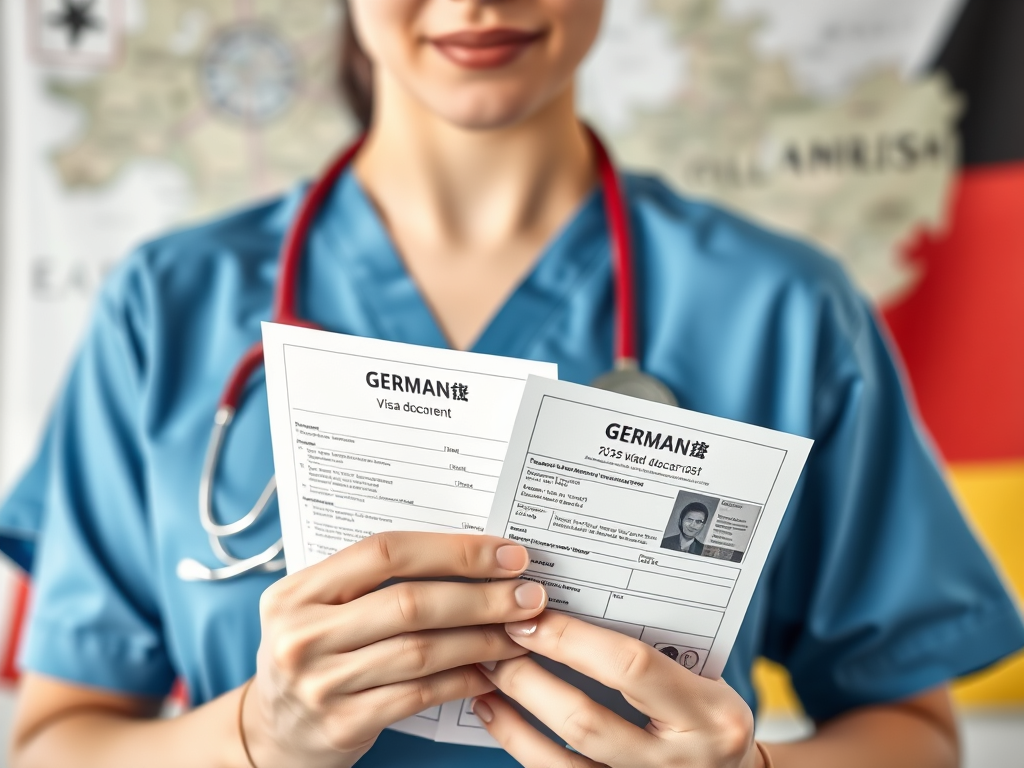
Professional in Healthcare (Nurse, Doctor) with Visa Documents

2. Incomplete or Incorrect Documentation

Germany’s immigration office is strict when it comes to documentation, and submitting incomplete or incorrect paperwork is a common reason for visa rejections. Key documents such as proof of qualifications, a signed job contract, and proof of health insurance are essential.
Tip: Double-check all documents before submission. Make sure your qualifications are verified, and your contract is clear and specific about your role and salary. Missing any document can lead to long delays.


3. Failing to Meet the Language Requirements

Depending on the type of work visa, some applicants might be required to demonstrate a basic knowledge of German, even if their job doesn’t demand it directly. Many professionals overlook the fact that language skills can impact their application.
Tip: If your job requires interaction with clients or local teams, showing a basic level of German can strengthen your application. Consider taking a language course if you’re unsure of your proficiency.


4. Not Understanding the Salary Requirements

For certain work visa categories, such as the EU Blue Card, there are specific salary thresholds that must be met. Many applicants mistakenly assume that the salary requirement is the same for every profession or forget to include bonuses and benefits in their salary calculation.
Tip: Make sure your job offer meets the salary threshold for your visa type. If your salary is close but not quite at the threshold, you may need to negotiate your compensation package.


5. Underestimating the Processing Time

Applying for a work visa can take time, often several months, especially for highly qualified jobs. Some applicants start the process too late or underestimate the time required for visa processing, leading to unnecessary stress when it’s time to travel.
Tip: Plan ahead and start your application process early. Consider processing times for both your visa application and document verification. A well-timed application will ensure a smoother experience.


6. Overlooking Health Insurance Requirements

Health insurance is mandatory for anyone living in Germany, including those on a work visa. Many applicants neglect to arrange for the right health insurance coverage before applying for their visa. This can lead to delays or visa refusal.
Tip: Ensure you have the appropriate health insurance coverage, whether public or private, that meets Germany’s requirements. Provide proof of insurance when submitting your visa application.


7. Ignoring Local Regulations and Updates

Immigration laws in Germany are subject to change. Applicants sometimes fail to keep up with new regulations or overlook any changes in the law. As a result, they may end up applying under outdated conditions.
Tip: Stay updated on any changes in immigration laws or visa regulations. Regularly check the official German government website or consult with an immigration lawyer to ensure you’re applying under the correct rules.


Final Thoughts

Applying for a work visa in Germany can be a complicated process, but with the right preparation and awareness of common mistakes, you can avoid unnecessary delays and increase your chances of success. Take the time to understand the requirements, double-check your documents, and stay informed on any changes to the application process.


Have you applied for a work visa for Germany or are planning to? Share your experiences and any tips you have for others in the comments below! Let’s help each other navigate the visa process with ease.

Expat Experience, Uncategorized

Immigrants’ Guide to Finding Work in a New Country

Finding work in a new country can be an exciting yet challenging journey. Whether you’re a student, a professional, or someone seeking a new opportunity abroad, navigating the job market requires preparation, persistence, and a solid strategy. Below, I’ll walk you through some essential steps to make your job search more efficient, and provide tips on how you can increase your chances of success.

1. Research the Job Market

The first step in your job search is to research the job market in the country you’re moving to. Each country has its own industry trends, required qualifications, and demand for certain skills.

In Germany, for example, the job market is quite diverse, with a strong demand for IT professionals, engineers, and healthcare workers. Websites like StepStone, Indeed, Glassdoor and Monster are popular job boards, but LinkedIn is my top recommendation for job hunting. I personally have secured all my roles through LinkedIn, and it’s more than just a social network, it’s a digital CV! A well-crafted LinkedIn profile can not only help you find jobs but also attract recruiters who may be looking for someone with your skill set.

2. Understand Visa and Work Permit Rules

When coming to Germany, or any country, understanding the visa and work permit rules is critical. As a student, for example, there are specific conditions you need to be aware of:

  • During term time, you are allowed to work up to 20 hours per week. This is essential to balance your studies and work.
  • During semester breaks, you can work up to 40 hours per week, which gives you more flexibility to earn.
  • For non-EU students, you are limited to 120 full days or 240 half days of work per year. During holidays, you can also work more tax-free.

If you exceed these hours, you may be required to pay taxes. In future posts, I’ll go into more detail on the tax implications of working more than these limits, so stay tuned!

3. Polish Your CV

One of the most important aspects of finding a job is your CV. Many companies use automated systems (ATS – Applicant Tracking Systems) to filter CVs before they even reach a human. This means your CV needs to be detailed, well-structured, and tailored to each job application.

At this stage, I can help you refine your CV to ensure it passes through these systems and highlights your skills effectively. I offer professional CV writing services tailored to your career goals and the job you are applying for. Whether you’re applying for internships, part-time jobs, or full-time roles, your CV should be your first tool for impressing recruiters.

Click here to learn more about my CV services and how I can help you stand out!

4. Networking is Key

Networking is one of the most powerful tools in any job search. Whether you’re attending job fairs, connecting with alumni, or joining relevant groups on LinkedIn, networking can open doors to opportunities that may not be advertised.

It’s important to remember that building relationships in the professional world takes time, so don’t just focus on the “immediate job” but on the long-term connections you can nurture. Networking, both online and offline, can lead to career-changing introductions.

5. Prepare for Interviews

Once your CV is polished and you’ve started landing interviews, it’s time to prepare. Being prepared for an interview can boost your confidence and help you make a great impression. Here are a few tips:

  • Research the company: Understand their mission, values, and recent news.
  • Practice common interview questions: Prepare answers for questions like, “Why do you want to work here?” or “What are your strengths and weaknesses?”
  • Build your confidence: Practice with a friend or mentor to make sure you communicate clearly and confidently.

I also offer interview coaching services to help you hone your skills and build the confidence you need to succeed. Whether you need to work on your responses or improve your body language, I’m here to help.

Final Thoughts

Finding a job in a new country can be a long road, but with the right strategies, tools, and preparation, you can navigate it successfully. Start by researching the job market, understanding the visa and work regulations, polishing your CV, and networking. These are the foundations of your job search.

If you’re ready to take the next step and want expert help with your CV, feel free to contact me. Together, we’ll create a personalized CV that will catch the eye of recruiters and help you land your dream job!

Let’s start today and invest in your future and get the job you deserve!

Daily Post, Frankfurt, Uncategorized

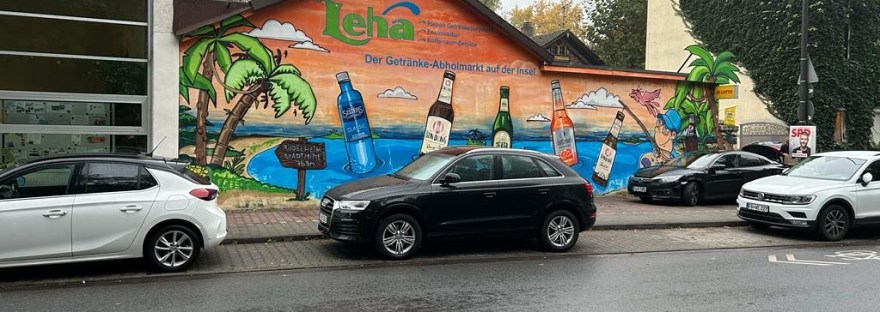
Rödelheim, Frankfurt: A Journey Through History and Green Oases

Introduction

Nestled in the western part of Frankfurt, Germany, Rödelheim is a district that’s not just steeped in history but also offers enchanting green spaces for its residents and visitors to enjoy. In this blog, we’ll explore the historical significance of Rödelheim and take a scenic tour through its splendid parks, including Brentanopark and the Biegwald.

Historical Significance

Rödelheim’s history is a tapestry of time, with threads dating back to the medieval era. The village of Rödelheim was first documented in the 9th century, and it gradually evolved, making its mark on the historical canvas of Frankfurt. The district’s historical heritage is interwoven with the events of the Napoleonic era when it came under French control, leaving an enduring influence on its architecture and culture.

The Petrihouse is very Historical it was built in 1720

Exploring Rödelheim

As you explore Rödelheim, you’ll encounter a blend of architectural styles that reflect its centuries-long history. The streets are adorned with picturesque half-timbered houses, neoclassical buildings, and modern structures, offering a visual journey through time.

The Evangelische Kirche, a 13th-century Protestant church, stands as a testament to the district’s rich cultural history. It’s a must-visit for those interested in the architectural and religious heritage of the area.

Green Oases in Rödelheim

Rödelheim doesn’t just captivate with its history; it also enchants with its green spaces. Brentanopark and the Biegwald are two of the district’s cherished parks, offering serene escapes in the heart of the city.

The green Oasis in Rödelheim so beautiful 🥰
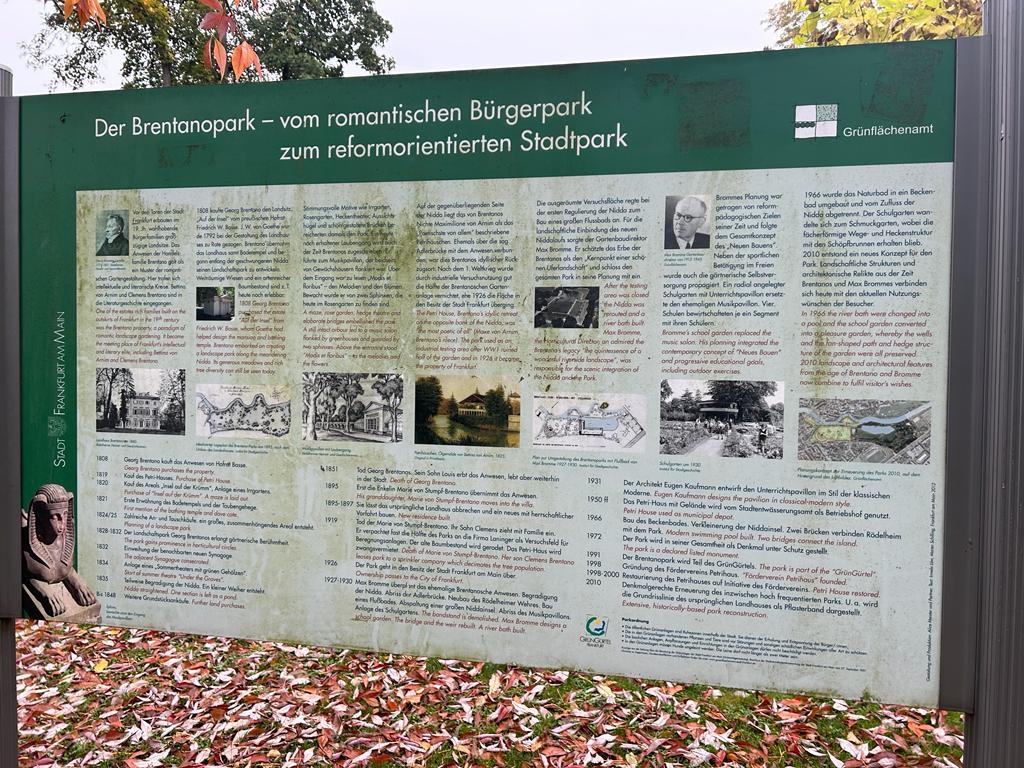
  1. Brentanopark

Brentanopark is a haven for nature lovers and those seeking relaxation. Named after the famous poet Clemens Brentano, the park features lush green lawns, winding paths, and a beautiful lake. The park provides an ideal setting for leisurely strolls, picnics, or simply unwinding amid the natural beauty.

Gate that leads to the Paradise of Brentanopark
It has little romantic 💘 bridges and seats where you can relax and enjoy the wonderful park.
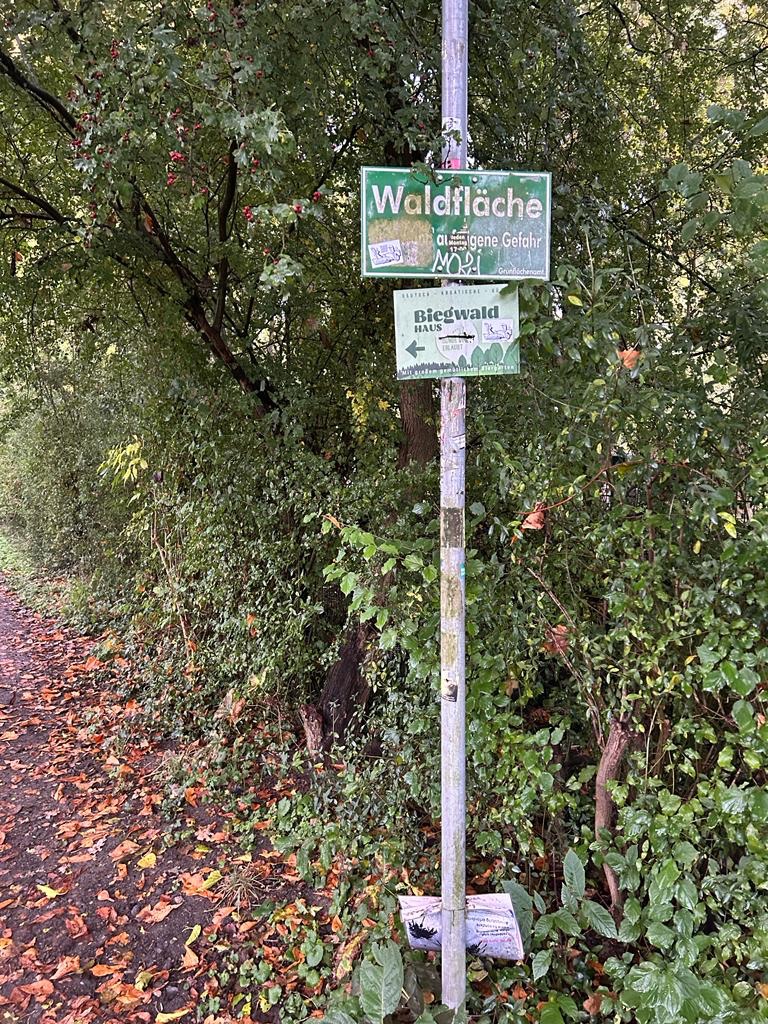
  1. The Biegwald

The Biegwald is another gem within Rödelheim, known for its dense woodlands and idyllic trails. It’s the perfect place for hikers and nature enthusiasts, offering a serene escape from the urban hustle and bustle. The Biegwald provides an opportunity to connect with nature and experience the beauty of Frankfurt’s green spaces.

Trust me I took a walk in this Wald 🌳 and I was so giddy with excitement 😊

City Connection

Rödelheim is not an isolated district; it is interconnected with neighboring areas like Praunheim, Westhafen, and Eschborn. This connectivity adds to the district’s appeal, as residents can easily explore the diverse offerings of these nearby locations.

Scenic Skylines

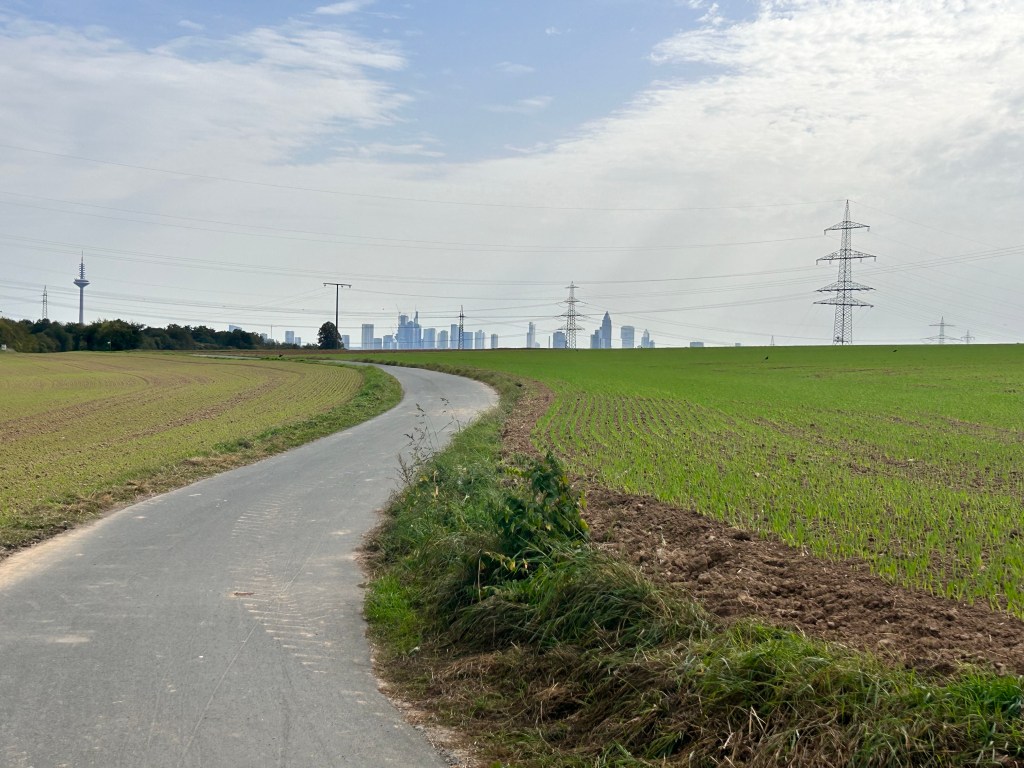
One of the distinctive features of Rödelheim is its captivating views of the surrounding skylines. Whether you’re in Brentanopark, the Biegwald, or simply strolling around the district, you’ll be treated to picturesque vistas of the Frankfurt skyline and other small cities in the vicinity.

The famous skyline 🏙️ view from Rödelheim isn’t it beautiful 😻?

There are many more which I will do a part two later and talk more about the ‚Insel‘ (Island) in Rödelheim. This is quite interesting.

Conclusion

Rödelheim, Frankfurt, is a district that seamlessly combines its rich historical heritage with an appreciation for natural beauty. As you explore its architectural wonders, take leisurely walks through Brentanopark and the Biegwald, and embrace the captivating views of the skylines around, you’ll realize that Rödelheim is more than just a place to live; it’s a living testament to the harmonious blend of history and nature in the heart of Frankfurt.

Thank you all for taking your time to read, like, share, subscribe and comment.

Do you take walks? If you do kindly leave a comment below if you like exploring your area?

Till the next post all my love ❤️❤️.

Daily Post

When and How to Articulate “I Don’t Know”: Mastering the Art of Admission

Hello, everyone! 🥰 I realize that this extended break didn’t go as I had initially planned, but life had its own agenda. We’ll call it the “adventures of life.” Life happened. We can dive into that later, but for today, I want to share something related to this topic called: When and How to say ‚I do not know‘

In a world that often celebrates knowledge and expertise, it can be challenging to admit when we don’t have the answers. Whether you’re in a professional setting, a social gathering, or even within your own thoughts, the fear of appearing uninformed can hold you back. However, there’s a valuable skill in knowing when and how to say, “I don’t know.” This blog post will explore the importance of this admission and offer guidance on mastering the art of expressing your uncertainty.

The Power of Honesty

First and foremost, let’s recognize that admitting ignorance is not a sign of weakness; it’s a demonstration of honesty and integrity. People appreciate authenticity and are often more inclined to trust those who openly admit when they lack knowledge. Here’s why it’s crucial:

  • Builds Trust: When you admit you don’t know something, it shows you’re trustworthy. Others are more likely to believe in your knowledge when you do express it.
  • Fosters Learning: Acknowledging your gaps in knowledge opens the door to learning. It’s the first step toward acquiring new information and skills.
  • Avoids Misinformation: Pretending to know something you don’t can lead to spreading false information, which is harmful both personally and professionally.

When to Say “I Don’t Know”

The timing of expressing your lack of knowledge is as vital as the act itself. Here are some situations in which it’s beneficial to admit not knowing:

  1. In a Professional Environment: When you’re faced with a question or problem at work, it’s better to acknowledge your ignorance and seek assistance or research rather than providing incorrect information.
  2. During Conversations: In casual conversations or debates, saying “I don’t know” is an honest response. It’s okay not to be an expert on every topic.
  3. Personal Growth: In your own self-reflection, it’s essential to acknowledge what you don’t know. This is the first step toward personal growth and development.

How to Articulate “I Don’t Know”

Expressing your lack of knowledge requires finesse. Here’s how to do it effectively:

  1. Be Direct: Say it simply and directly. “I don’t know” is a complete and honest response.
  2. Follow Up with Action: After admitting your lack of knowledge, turn it into an opportunity for growth. Say, “I don’t know, but I’m eager to learn more about it.”
  3. Seek Help: If applicable, ask for guidance from someone who does know. This shows your willingness to learn.
  4. Research: If the situation allows, commit to finding the answer on your own. This demonstrates initiative.

Conclusion

The ability to admit “I don’t know” is a valuable skill in both personal and professional life. It fosters trust, encourages learning, and avoids the pitfalls of misinformation. Remember, nobody knows everything, and there’s no shame in acknowledging what you don’t know. Master the art of this admission, and you’ll find yourself on a path to continuous growth and authenticity.

Please share your views on what you think we can be able to overcome the power of feeling if we say we don’t know we would be looked down upon.

Till the next post have a lovely weekend❤️.

Motivation, Uncategorized

Homemade Coffee and Honey Scrub ❤️

I know this may not seem like my usual post but its fun anyways because i did it myelf, tried it and it works. Besides, i have written this post for a while now. I said to myself hey just post it. So welcome to my DIY Blog.

If you are looking for a way to reduce spending a lush amount of money on Body care products. Then you are definitely welcomed to my post.

A year ago I traveled home to Nigeria. There, I realised that all my expensive body care products couldn’t withstand the Sun in Nigeria… Ohhhhh it was blazing hawttt I mean HOT. If I was a bar of meltable chocolate I wouldn’t have made it back to Germany. Ohh yes (Even though) I was born and raised there. I never thought I would feel the way I felt about the heat. The heat was something else. 🔥🔥🔥

A year ago I started following the ‘do it yourself’ ( DIY) trend and ever since it has been a lively and emancipating Journey.

For a year now, I have stopped buying my usual Body Care Products in Shops and Drogerie stores and I believe they(who exactly?) all have been secretly screaming my name (Princess come oooo Princess come ooo) Because their mumu Precious Gem has been lost.. ooo i have spent a lot of my money in this industryHA they haf chop my money gan ni ooooo.

Anytime I go to the stores to go buy a coffee scrub, the price ranges from 5€ – 30€ or even more. The last time I got one was for 8.99€ and my friend actually looked at me like I was running mad but I told her I loved it and it was for my Bodaaayyy…

Since i began doing it myself, oooo i love how my Body feels and better still i know exactly what ingredients are going on my Body.

Coffee has a lot of beauty Beneficials and this Homemade body scrub makes your skin not only succulent but also tighten your skin. So come with me as I take you on the journey of Coffee scrub.

Benefits of Coffee Scrub

  • It exfoliates dead skin away
  • It makes your skin so soft to touch
  • It improves circulation of blood in your body
  • It tightens the skin
  • It moisturize your skin and makes it feel succulent due to the 🥥 coconut oil
  • It soothes and calm your skin due to the Aloe Vera
  • It has a healing effect on your skin due to the honey 🍯
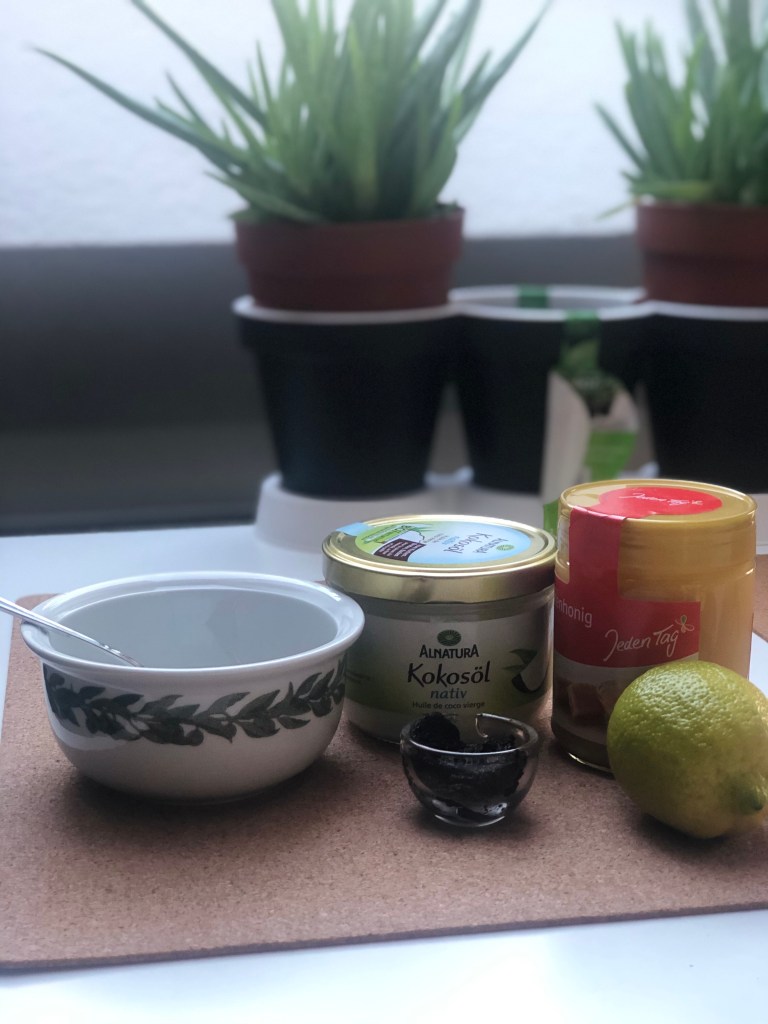
The coffee scrub mixture 🥥🍯☕️. It messy but please pardon me 🙏😘.

You will need

  • 2 tablespoons of coffee (freshly ground or used)
  • 1 tablespoon of coconut oil
  • 1 tablespoon of honey
  • 1 tablespoon of Aloe Vera gel
  • 1 teaspoon of lemon juice ( optional)

Method

  • Mix the ingredients together until it forms a paste
  • Apply the scrub to your face first before getting into the shower and when in the shower apply to the body and massage well for as long as you can
  • Wash it off and feel the greatest of your skin come alive

This scrub also makes your palm feel tender and soft for like three days. It is really lovely to feel your palm after the scrub and the most wonderful thing about this DIY scrub is you know it’s not chemically done.

Me with the scrub on and after with a fresh face. P.S Again do not mind my hair net and the pics on the left was done with a light and on the right with sunlight. lol

Beautiful skin REQUIRES COMMITMENT not a MIRACLE.

Ernö Laszlo

I would love to hear from you and how you are coping with the quarantine? And also when you try the scrub either on your face or body, please do holla at me and tell me how it felt. You can also use this to take care of yourself since we are all trying new things out..

I hope we’ll all overcome this hard time. Stay safe my lovelies and also be very careful!

@ Princesspringles