Moving abroad opens up new opportunities and experiences for families, but it can also lead to a gradual disconnect from one’s roots, especially for children. As children grow up in a new environment, it’s easy for them to feel detached from their home country, particularly when the parents do not actively nurture those cultural ties. It’s crucial for parents to help children embrace both their new identity and the rich heritage of where they come from.
Understanding the Emotional Disconnect
Many children who move abroad at a young age or are born in a new country may grow up identifying solely with their current surroundings. Over time, they might lose interest in their native culture, language, and traditions, especially if those elements aren’t actively preserved at home. One of the often overlooked reasons for this is that parents, while trying to adjust themselves, unintentionally downplay their home country. Understandably, in cases like Nigeria, the economic and social challenges are real. However, constantly speaking negatively about one’s home country in front of children can create a sense of shame or rejection of their roots.
Parents must recognize that although they have moved for a better life, they are still foreigners in their new land. Their children, especially those born abroad, are at risk of growing up without a sense of true belonging neither fully here nor there. In this case, it’s essential to instill pride in where they come from, even while embracing the new.
Celebrating Cultural Traditions
Keep cultural celebrations alive at home. Mark holidays, cook traditional meals, play cultural music, or wear cultural attire during festive seasons. These small yet powerful acts reinforce a sense of identity and help children connect emotionally to their heritage.
Tip: Involve children in these celebrations. Let them learn the meaning behind traditions and take part in preparations. This will create cherished memories and strengthen their cultural ties.
Keeping the Language Alive
Language is one of the strongest links to a person’s heritage. Speak your native language at home or mix it into daily communication. Even if the child responds in the dominant language of the new country, continued exposure helps keep their linguistic connection alive.
Tip: Storytelling, songs, movies, and books in your home language can make learning fun and less forced.
Staying in Touch with Family Back Home
One of the most damaging effects of migration is when children grow up not knowing their extended family. Due to family disputes or emotional distance, some parents may cut ties or limit contact. While parents have every right to protect their well-being, children should not be deprived of the knowledge that they have family back home.
Tip: Arrange regular video calls, send gifts or letters, or even share stories about family members. If possible, plan visits to your home country so children can see where they come from.
Balancing Two Worlds
Teach your child that they don’t have to choose between their identity as a member of the new society and their cultural heritage. They can belong to both. Balance is key.
Encourage friendships across cultures, but also introduce them to children who share similar roots. This helps normalize dual identity and makes them feel less alone in their experience.
Final Thought
Your child’s connection to their roots depends largely on how you present it. If you value and celebrate your culture, they are more likely to do the same. It’s not about glorifying everything back home but recognizing its significance. Let your children grow up knowing where they come from, so they can stand tall wherever they go.
Let me know how has it been for you since you migrated with your kids? Please kindly share, like,comment and also subscribe. I am happy to hear from all of you. till my next post.
Moving to a new country can be an exciting adventure, but for children, it can also be a confusing and emotionally challenging experience. As a parent, your support plays a critical role in helping your child navigate the transition and thrive in their new environment. From homesickness to language barriers and making new friends, children face a variety of obstacles but with the right approach, they can overcome them with resilience and confidence.
Understanding Your Child’s Emotional Needs
The first step in supporting your child is to understand the emotional impact that moving abroad can have on them. Children may experience a range of emotions, including sadness, anxiety, confusion, and even excitement. For younger children, the absence of familiar faces, routines, and surroundings can be particularly unsettling. Older children and teens may struggle with a loss of identity, the fear of not fitting in, and concern over leaving behind friendships and familiar environments.
Before the Move: Talk About It Early and Often One of the most powerful ways to prepare your child emotionally is to have honest, age-appropriate conversations about the move before it happens. Explain why the move is necessary not just what it means for the family as a whole, but how it impacts each individual child. For some families, the reason might be to reunite with a parent who already lives abroad. In these cases, emphasize the importance of being together as a family, creating new memories, and supporting one another in a new place.
If you’re moving for work, education, or better opportunities, explain this to your child in terms they can relate to. Help them understand that, while change can be difficult, it’s also a step forward and part of a bigger journey for the family.
Tip: Involve your child in the process. Allow them to ask questions, voice concerns, and even express fears. The goal is not to promise that everything will stay the same because it won’t but to make sure they know that you will be facing the changes together as a family.
Tailor the Conversation to Their Age
Young Children: Use simple, reassuring language. Explain the move using pictures, books, or playful methods to help them grasp what’s coming.
Teenagers: Give them space to process. They may be more resistant or emotionally conflicted, so create room for dialogue without pressure. Show that you trust their ability to adapt, while acknowledging the difficulty of leaving friends, schools, or routines behind.
Set Realistic Expectations and Share What You’ve Learned As a parent, it’s important to research the destination thoroughly so you can answer your child’s questions and prepare them realistically for what’s ahead. Whether it’s about school, lifestyle, cultural norms, or making new friends, your awareness helps ease their anxiety. Explain what changes they can expect like different school systems, moving down classes, possible language barriers, or even changes in food or weather and how you’ll all work together to adjust.
Migration is as natural as breathing, as eating, as sleeping.It is part of life, part of nature.
Reassure and Reaffirm Stability Above all, your child needs to know that even if the environment is changing, your presence and support are not. Assure them that they are not alone and that their feelings matter. Reiterate that as a parent, you are always there for them, no matter what.
Creating a Supportive Home Environment
A supportive home environment plays a critical role in helping your child feel safe and secure during the adjustment period. Establishing routines and maintaining familiar activities can provide a sense of comfort in a world that feels unfamiliar.
Tip: Create a comforting space where your child can retreat to when they need it. Whether it’s a cozy corner for reading, a space for personal hobbies, or simply a room filled with familiar items from home, a personal space can help them feel grounded.
Routines are another important aspect. While everything around them may be changing, keeping certain daily routines such as meal times, bedtimes, or family activities and been consistent can provide stability and predictability in their new life. This helps children feel less overwhelmed by the changes they are facing and gives them a sense of control in an unfamiliar world.
It’s also important to acknowledge that parents, too, are going through their own period of adjustment and shock. In many cases, families move to countries where they don’t have extended family or close friends to rely on. Unlike back home, where grandparents, neighbors, or siblings could help with childcare or emotional support, abroad you may only have your spouse or in the case of single parents, only yourself.
Juggling multiple jobs, managing household responsibilities, and trying to provide for the family can be overwhelming. However, it’s crucial to balance these demands with being emotionally present for your children. When children feel neglected, even unintentionally, they may retreat into silence or exhibit behavioral issues. Prioritizing time for your kids, however small can make a big difference in their ability to cope and connect.
Encouraging Open Communication
One of the most powerful tools you have as a parent is the ability to communicate openly with your child. Establishing regular check-ins, where your child feels safe to express their feelings, will help them process their emotions and gain a sense of connection with you during this time of transition.
To me, if life boils down to one thing, it’s movement
Tip: Ask open-ended questions, such as, “What was the best part of your day?” or “How are you feeling about school or making friends?” Let your child know that it’s okay to be nervous or upset, and that you are there to support them no matter what.
Encourage your child to share their experiences and concerns. Be patient and listen attentively, even if they’re not ready to talk right away. Over time, your child will come to understand that you are there to help them through the ups and downs of their journey.
Encouraging Social Interactions
Making new friends in a new country can be one of the most daunting challenges for children. For younger children, finding playmates in a new place can be overwhelming, while older children may worry about fitting in or dealing with cultural differences. Encouraging social interactions outside of the home is crucial to helping your child feel more integrated into their new environment.
Tip: Encourage your child to participate in extracurricular activities, clubs, or sports teams where they can meet other children with similar interests. Many schools offer language support or after-school programs that can help children connect with their peers.
You can also seek out community events, playdates, or social groups for expatriates to help your child meet others who may be facing similar challenges. If language is a barrier, help your child practice and offer support in learning the new language. You can also connect with other parents who are also expats—this can help both you and your child feel less isolated and more connected to the local community.
Balancing Routine with New Experiences
While creating a stable routine is important, it’s also essential to introduce new experiences that will help your child embrace their new country. Exploring the culture, trying local foods, visiting landmarks, or attending festivals can help children see the positive side of their new environment and create lasting memories.
Tip: Take small steps to incorporate new experiences into your child’s life. Visit local museums, go for walks in nearby parks, or explore new hobbies that are unique to your new location. This will help your child feel excited about their new surroundings, while still offering comfort and stability through familiar routines.
In addition, involving your child in decision-making, such as choosing weekend activities or where to go for outings, can give them a sense of ownership in their new life. This encourages them to embrace the change and become more engaged with their new world.
Final Thoughts
Supporting your child through a move to a new country takes patience, understanding, and compassion. By recognizing their emotional needs, creating a supportive environment, encouraging open communication, fostering social interactions, and balancing routine with new experiences, you can help your child feel secure and confident in their new home. Remember that adjustment is a gradual process, and each child will move at their own pace. As a parent, your love, attention, and support will play a pivotal role in helping them thrive in their new environment.
Have you recently moved with your child? Share your tips for supporting children during a relocation in the comments below!
Germany is one of the most sought-after countries for work opportunities, offering a range of visa options for highly skilled professionals, tech experts, and workers in a variety of fields, including nurses, doctors (of all specialties), and other unskilled professions. While Germany’s demand for qualified workers is high, especially in healthcare, logistics, and skilled trades, the work visa application process can be complex. Mistakes are easy to make, and avoiding common pitfalls can save you time, money, and unnecessary stress. Below are some critical mistakes to steer clear of when applying for a work visa for Germany.
1. Not Checking the Visa Type
One of the most common mistakes is applying for the wrong type of visa. Germany offers several visa categories depending on your profession, skills, and job. There are work visas for highly skilled professionals like IT experts, engineers, and tech specialists, but there are also visa options for unskilled professionals in fields like healthcare, logistics, and construction. For example, the EU Blue Card, Job Seeker Visa, and skilled worker visa are tailored for specific roles. Understanding the various Blue Cards available for IT professionals can help ensure you apply for the correct one.
Types of EU Blue Cards
EU Blue Card for IT Professionals (with formal qualifications): This is the most common type for IT professionals who have formal qualifications, such as a university degree in IT or computer science. Applicants must meet a salary threshold, which is typically higher than other professions.
Requirements: A university degree or comparable qualification, a job offer with a salary above the threshold (currently around €56,800 annually), proof of qualifications, and sometimes language proficiency.
EU Blue Card for IT Professionals without formal qualifications: This category is designed for IT professionals who may not have a formal university degree but possess significant professional experience in the IT field. These applicants must prove their expertise and relevant work experience.
Requirements: At least five years of relevant work experience in IT, a job offer that meets the minimum salary requirement (typically €43,056 annually for the general IT sector), and evidence of specialized skills. In some cases, this can include certifications, technical expertise, and specific job experience.
EU Blue Card for Other Highly Skilled Professionals: This card is also available for professionals in fields such as engineering, medicine, and other sectors requiring specialized expertise. It’s aimed at professionals with at least a university degree and relevant qualifications.
Requirements: A recognized university degree, a job offer in a highly skilled profession, and a salary offer meeting the specific threshold. For instance, for healthcare professionals like doctors or nurses, the salary requirement may vary based on specialty.
Job Seeker Visa:
For individuals who don’t yet have a job offer but are highly skilled and looking for employment, the Job Seeker Visa is an option. This visa allows you to stay in Germany for up to six months while searching for a job that aligns with your skills and experience.
Requirements: Proof of financial stability to support yourself during your stay, a university degree or comparable qualification, health insurance, and sufficient funds for your stay.
Skilled Worker Visa:
This is for professionals working in non-IT fields, like healthcare, skilled trades, and other specialized sectors. The Skilled Worker Visa does not require a university degree but does require vocational training or substantial professional experience.
Requirements: Vocational training or relevant professional experience, a job offer in Germany, and proof that the salary meets the requirements. For example, a nurse might need a nursing qualification or a specific trade certificate.
Tip: Research the visa that matches your specific profession and qualifications before starting your application. Applying for the wrong type of visa can delay the process and may even lead to your application being rejected.
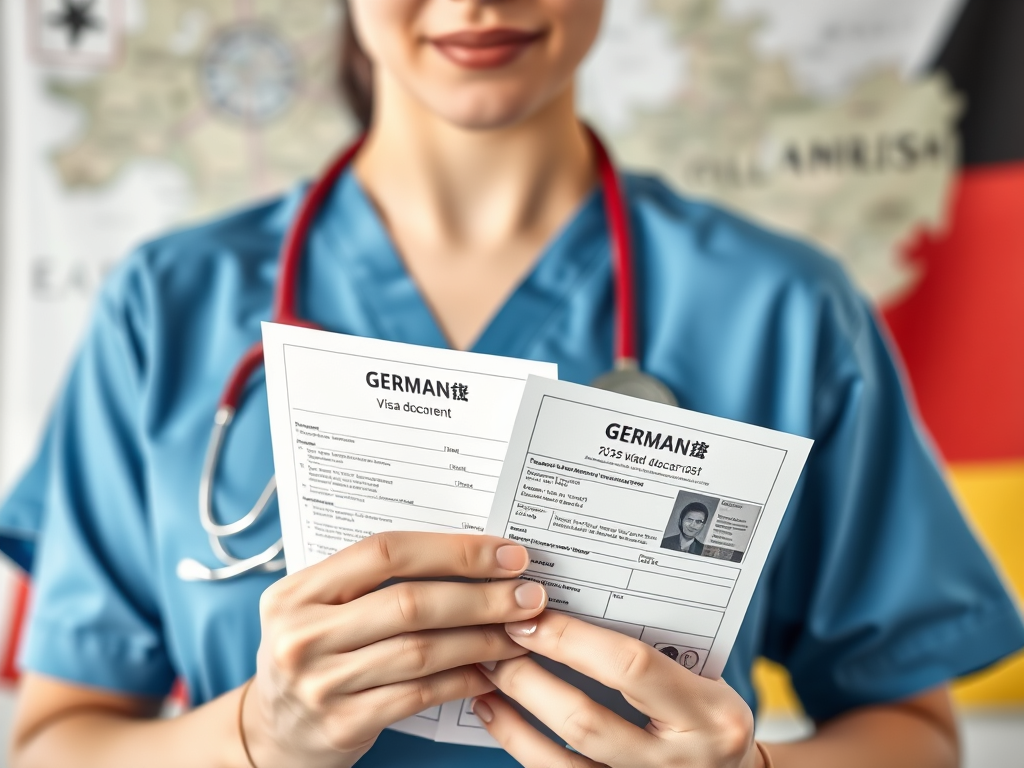
Professional in Healthcare (Nurse, Doctor) with Visa Documents
2. Incomplete or Incorrect Documentation
Germany’s immigration office is strict when it comes to documentation, and submitting incomplete or incorrect paperwork is a common reason for visa rejections. Key documents such as proof of qualifications, a signed job contract, and proof of health insurance are essential. Tip: Double-check all documents before submission. Make sure your qualifications are verified, and your contract is clear and specific about your role and salary. Missing any document can lead to long delays.
3. Failing to Meet the Language Requirements
Depending on the type of work visa, some applicants might be required to demonstrate a basic knowledge of German, even if their job doesn’t demand it directly. Many professionals overlook the fact that language skills can impact their application. Tip: If your job requires interaction with clients or local teams, showing a basic level of German can strengthen your application. Consider taking a language course if you’re unsure of your proficiency.
4. Not Understanding the Salary Requirements
For certain work visa categories, such as the EU Blue Card, there are specific salary thresholds that must be met. Many applicants mistakenly assume that the salary requirement is the same for every profession or forget to include bonuses and benefits in their salary calculation. Tip: Make sure your job offer meets the salary threshold for your visa type. If your salary is close but not quite at the threshold, you may need to negotiate your compensation package.
5. Underestimating the Processing Time
Applying for a work visa can take time, often several months, especially for highly qualified jobs. Some applicants start the process too late or underestimate the time required for visa processing, leading to unnecessary stress when it’s time to travel. Tip: Plan ahead and start your application process early. Consider processing times for both your visa application and document verification. A well-timed application will ensure a smoother experience.
6. Overlooking Health Insurance Requirements
Health insurance is mandatory for anyone living in Germany, including those on a work visa. Many applicants neglect to arrange for the right health insurance coverage before applying for their visa. This can lead to delays or visa refusal. Tip: Ensure you have the appropriate health insurance coverage, whether public or private, that meets Germany’s requirements. Provide proof of insurance when submitting your visa application.
7. Ignoring Local Regulations and Updates
Immigration laws in Germany are subject to change. Applicants sometimes fail to keep up with new regulations or overlook any changes in the law. As a result, they may end up applying under outdated conditions. Tip: Stay updated on any changes in immigration laws or visa regulations. Regularly check the official German government website or consult with an immigration lawyer to ensure you’re applying under the correct rules.
Final Thoughts
Applying for a work visa in Germany can be a complicated process, but with the right preparation and awareness of common mistakes, you can avoid unnecessary delays and increase your chances of success. Take the time to understand the requirements, double-check your documents, and stay informed on any changes to the application process.
Have you applied for a work visa for Germany or are planning to? Share your experiences and any tips you have for others in the comments below! Let’s help each other navigate the visa process with ease.
“Adaptability is not a sign of weakness; it’s a testament to your strength and resilience”
The COVID-19 pandemic reshaped the world in ways we never imagined. From how we work to how we interact, shop, and even think about our future, the changes have been both profound and lasting. As a career-oriented individual, I’ve had to adjust to a new normal—one that includes working from home, navigating a rising cost of living, witnessing an increase in migration, and adapting to the surge of social media influencers and their often bizarre trends. But these are just a few of the transformations. Let’s take a look at the major ways life has changed after COVID-19 and how we’ve had to adjust.
1. The Work-from-Home Revolution
Before the pandemic, remote work was a luxury for most professionals. Today, it has become a necessity—or even a preference. Many companies have adopted hybrid models, while some have gone fully remote. Personally, the transition to working from home required discipline, a dedicated workspace, and mastering virtual communication tools. While it saved commuting time, it also blurred the lines between work and personal life, making it essential to set boundaries to avoid burnout.
2. The Cost of Living Has Skyrocketed
Everything has become ridiculously expensive—groceries, rent, fuel, and even basic services. Inflation surged post-pandemic, driven by supply chain disruptions and increased demand. Many people have had to rethink their spending habits, cut down on luxuries, and seek alternative sources of income to stay financially stable. The pandemic highlighted the importance of financial literacy and having an emergency fund.
3. Increased Migration and Digital Nomadism
With remote work becoming mainstream, many professionals moved away from expensive cities to more affordable locations. Countries started offering digital nomad visas, making it easier for people to live and work from anywhere. At the same time, economic challenges and political instability in some regions have led to more migration worldwide. Adapting to this means learning to be more open to cultural diversity and understanding different perspectives in a globally connected world.
4. The Rise of Social Media Influencers and Trends
Lockdowns forced people to spend more time online, fueling the rise of social media influencers. TikTok, Instagram, and YouTube saw an explosion of content, with influencers setting trends that sometimes made sense—but often didn’t. From bizarre challenges to viral beauty hacks, the influence of social media on consumer behavior and lifestyle choices has never been stronger. Learning to filter through trends and focus on what actually adds value to life has become a necessary skill.
5. Mental Health Became a Priority
The pandemic triggered widespread anxiety, loneliness, and burnout. More people started openly discussing mental health, leading to a greater acceptance of therapy, mindfulness practices, and self-care routines. Personally, I had to develop new coping mechanisms whether it was taking regular walks, meditating, or simply unplugging from social media (deleting TikTok) to maintain balance.
6. E-commerce and Cashless Transactions Are the Norm
Online shopping became a lifeline during lockdowns, and even after restrictions eased, many people continued to prefer e-commerce over traditional shopping. Contactless payments, digital wallets, and crypto transactions have become increasingly popular, making cash nearly obsolete in some places. Businesses that didn’t adapt to the digital shift struggled, while those that embraced e-commerce thrived.
7. Education and Upskilling Have Changed
Online learning platforms saw a boom as people sought to upskill or switch careers. Virtual education has become more accepted, and many companies now prioritize skills over degrees. Personally, I took advantage of this by enrolling in online courses to stay competitive in my field. The traditional model of education is evolving, and continuous learning is now more important than ever.
8. Travel Became More Intentional
The travel industry suffered a massive hit during the pandemic, but when borders reopened, people approached travel differently. Instead of quick weekend getaways, many now prefer longer, more meaningful trips and often combining work and leisure (a.k.a. “workations”). Health precautions remain a priority, with travelers being more conscious of hygiene and safety protocols.
Conclusion
The post-pandemic world is still evolving, and adapting to these changes requires resilience, flexibility, and a willingness to embrace new ways of living and working. While some changes have been challenging, others have opened up new opportunities for growth and innovation. The key is to stay adaptable, continue learning, and focus on what truly matters.
What major changes have you had to adapt to since COVID-19? Let’s discuss in the comments!
LinkedIn is one of the most powerful tools for job seekers, offering a platform to connect with professionals, search for jobs, and build a personal brand. I have used it to get all my Job and it has been the best so far. However, simply having a profile isn’t enough to stand out. To truly leverage LinkedIn, job seekers need to know how to optimize their profile, network strategically, and engage with content effectively. Here’s a step-by-step guide on how to use LinkedIn to enhance your job search and increase your chances of landing the right role.
Learn how to use LinkedIn effectively for your job search. Discover LinkedIn profile optimization tips, networking strategies, and how to engage with content to land your dream job.
Your LinkedIn profile is your digital resume so make it shine!
1. Optimize Your LinkedIn Profile
Your LinkedIn profile is your online resume, so it needs to be optimized to attract recruiters and hiring managers. Follow these tips to enhance your profile:
Professional Profile Picture: Use a high-quality, professional photo. Aim for a headshot with a neutral background and a friendly, approachable expression.
Headline: Your LinkedIn headline is prime real estate. Instead of just listing your job title, make it more descriptive, showcasing your skills and what you bring to the table (e.g., “Digital Marketing Expert | SEO Specialist | Helping Brands Grow Online”).
Summary: Write a compelling summary that highlights your skills, experience, and career aspirations. Use it to tell your story and what makes you unique and why you’re a valuable candidate. Don’t just list job titles but also focus on accomplishments and impact.
Experience and Skills: List relevant job experience and make sure to include skills that align with your career goals. Use specific keywords relevant to your industry to improve searchability.
Recommendations: Ask colleagues or former employers to write you recommendations. They act as social proof of your abilities and can add credibility to your profile.
Tip: Use keywords throughout your profile that hiring managers are likely to search for. This helps ensure your profile shows up in searches related to your field.
2. Expand Your Network
Networking is one of the most powerful aspects of LinkedIn. Here’s how to use it effectively:
Connect with Industry Professionals: Reach out to people in your industry, including recruiters, hiring managers, and colleagues. Don’t just add anyone, you need to be strategic and personalize your connection requests.
Join Groups: LinkedIn groups related to your industry are great places to meet new people, share insights, and stay updated on job opportunities.
Engage with Your Network: Don’t just collect connections but also engage with them. Like, comment on, and share relevant content. This helps you stay visible and builds relationships within your network.
Attend LinkedIn Events: Join online webinars, workshops, or networking events. These are great opportunities to connect with professionals in your field and make meaningful relationships.
3. Search for Jobs Actively
LinkedIn is not just a networking tool but it’s also a job search platform. Here’s how to use it to find jobs:
Use Job Alerts: Set up job alerts on LinkedIn for roles that interest you. You can tailor alerts based on job title, location, and industry, so you get notified when new roles are posted.
Research Companies: Follow companies you’re interested in to stay up to date with their latest job openings and company news. This shows your interest in the company and helps you apply quickly when a new job is posted.
Apply Directly on LinkedIn: Many companies post jobs on LinkedIn. You can apply directly through the platform with just a few clicks. Keep your profile up-to-date to ensure quick and easy applications.
4. Share Relevant Content
Sharing content on LinkedIn helps build your personal brand and show your expertise. Here’s how to do it effectively:
Post Regularly: Share updates about your professional journey, industry trends, and thoughts on relevant topics. Regularly sharing content keeps you visible to your network.
Write Articles: LinkedIn allows you to write long-form articles. If you have expertise in a particular area, consider writing articles to showcase your knowledge and provide value to your audience.
Engage with Other Content: Comment on, share, and like posts from others in your industry. It’s a great way to stay involved and show that you’re an active participant in your professional community.
5. Leverage LinkedIn Learning
LinkedIn Learning offers a wide range of online courses that can help you develop new skills and enhance your employability. Take advantage of this resource to stay competitive in the job market.
Skills Development: Courses on LinkedIn Learning are tailored to in-demand skills such as data analysis, project management, leadership, and more.
Certifications: Complete courses and showcase your certifications on your LinkedIn profile to make you more attractive to recruiters.
6. Engage with Recruiters and Hiring Managers
LinkedIn allows you to directly connect with recruiters and hiring managers. Here’s how to do it:
Send Personalized Connection Requests: When reaching out to recruiters, personalize your message and explain why you’re interested in connecting. Mention how your skills align with the types of positions they recruit for.
Be Professional and Courteous: Always maintain professionalism when interacting with recruiters. If they reach out to you about a job opportunity, respond promptly and courteously.
Final Thoughts
LinkedIn is a powerful tool for job seekers, but using it effectively requires more than just creating a profile. By optimizing your profile, expanding your network, engaging with relevant content, and using LinkedIn’s job search features, you can increase your chances of finding the right job. Whether you’re just starting your career or looking to make a career change, LinkedIn offers endless opportunities to connect with the right people and land your dream job.
Have you used LinkedIn to find your next job? Share your experiences in the comments below! If you need help optimizing your profile or networking strategies, feel free to reach out, we’re here to help!
Finding work in a new country can be an exciting yet challenging journey. Whether you’re a student, a professional, or someone seeking a new opportunity abroad, navigating the job market requires preparation, persistence, and a solid strategy. Below, I’ll walk you through some essential steps to make your job search more efficient, and provide tips on how you can increase your chances of success.
1. Research the Job Market
The first step in your job search is to research the job market in the country you’re moving to. Each country has its own industry trends, required qualifications, and demand for certain skills.
In Germany, for example, the job market is quite diverse, with a strong demand for IT professionals, engineers, and healthcare workers. Websites like StepStone, Indeed, Glassdoor and Monster are popular job boards, but LinkedIn is my top recommendation for job hunting. I personally have secured all my roles through LinkedIn, and it’s more than just a social network, it’s a digital CV! A well-crafted LinkedIn profile can not only help you find jobs but also attract recruiters who may be looking for someone with your skill set.
2. Understand Visa and Work Permit Rules
When coming to Germany, or any country, understanding the visa and work permit rules is critical. As a student, for example, there are specific conditions you need to be aware of:
During term time, you are allowed to work up to 20 hours per week. This is essential to balance your studies and work.
During semester breaks, you can work up to 40 hours per week, which gives you more flexibility to earn.
For non-EU students, you are limited to 120 full days or 240 half days of work per year. During holidays, you can also work more tax-free.
If you exceed these hours, you may be required to pay taxes. In future posts, I’ll go into more detail on the tax implications of working more than these limits, so stay tuned!
3. Polish Your CV
One of the most important aspects of finding a job is your CV. Many companies use automated systems (ATS – Applicant Tracking Systems) to filter CVs before they even reach a human. This means your CV needs to be detailed, well-structured, and tailored to each job application.
At this stage, I can help you refine your CV to ensure it passes through these systems and highlights your skills effectively. I offer professional CV writing services tailored to your career goals and the job you are applying for. Whether you’re applying for internships, part-time jobs, or full-time roles, your CV should be your first tool for impressing recruiters.
Networking is one of the most powerful tools in any job search. Whether you’re attending job fairs, connecting with alumni, or joining relevant groups on LinkedIn, networking can open doors to opportunities that may not be advertised.
It’s important to remember that building relationships in the professional world takes time, so don’t just focus on the “immediate job” but on the long-term connections you can nurture. Networking, both online and offline, can lead to career-changing introductions.
5. Prepare for Interviews
Once your CV is polished and you’ve started landing interviews, it’s time to prepare. Being prepared for an interview can boost your confidence and help you make a great impression. Here are a few tips:
Research the company: Understand their mission, values, and recent news.
Practice common interview questions: Prepare answers for questions like, “Why do you want to work here?” or “What are your strengths and weaknesses?”
Build your confidence: Practice with a friend or mentor to make sure you communicate clearly and confidently.
I also offer interview coaching services to help you hone your skills and build the confidence you need to succeed. Whether you need to work on your responses or improve your body language, I’m here to help.
Final Thoughts
Finding a job in a new country can be a long road, but with the right strategies, tools, and preparation, you can navigate it successfully. Start by researching the job market, understanding the visa and work regulations, polishing your CV, and networking. These are the foundations of your job search.
If you’re ready to take the next step and want expert help with your CV, feel free to contact me. Together, we’ll create a personalized CV that will catch the eye of recruiters and help you land your dream job!
Let’s start today and invest in your future and get the job you deserve!
Relocating from Nigeria to Germany is an exciting but challenging journey, and being well-prepared can make a significant difference. Here are some tools specifically tailored for Nigerians relocating to Germany:
Packing Tools: Before you even think about booking your flight, start packing early! Use the checklist from my earlier blog post to ensure you don’t forget anything essential. Declutter, pack only what’s necessary, and invest in quality boxes, bags, and wraps to protect your belongings during transit. The right packing ensures your things arrive in good condition.
Relocation Firms: Consider hiring a relocation firm that specializes in international moves. They can help with everything from moving quotes and housing searches to budgeting and finding temporary accommodation. Companies like MoveHub offer reliable services to help you transition smoothly. They’ll manage logistics, taking the weight off your shoulders.
Money Transfer Apps – TapTap Send: As a Nigerian, managing finances is crucial. TapTap Sendis a reliable and easy-to-use app for sending money home, ensuring that you can send funds to family and friends without high fees. You can use the link and get a free 5€ on your first transfer. It’s secure, and you can make transfers directly from your mobile phone, making money transfers stress-free.
Housing Search Tools – ImmoScout24: Once you arrive in Germany, finding the right accommodation is vital. Platforms like ImmoScout24 can help you search for apartments or shared accommodations. In addition, joining local Facebook groups or forums specific to Nigerian expats in Germany will allow you to get firsthand information about available housing.
German Language Apps – Duolingo: Learning the local language will make settling in much easier. Duolingo offers a great way to start learning basic German phrases and grammar. It’s a free and user-friendly app that will help you build confidence before your arrival.
By using these relocation tools, you’ll have a much smoother transition. From managing your move to getting settled, they cover everything you’ll need!
Got any more relocation tips? Drop a comment below, share with friends, or let me know how I can help you get started! Take care and see you at my next post.
“When you bring peace to your past, you can move forward to your future”
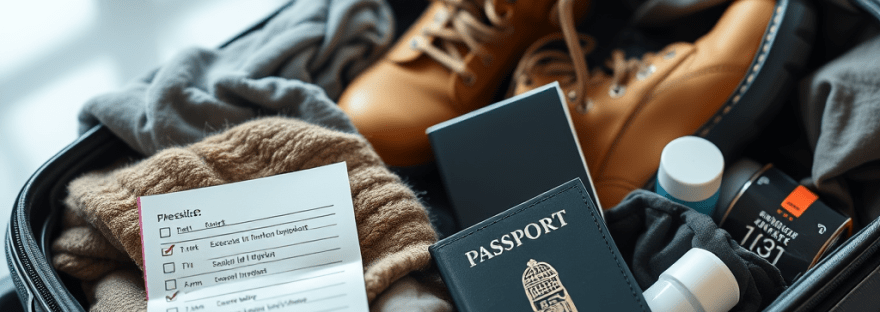
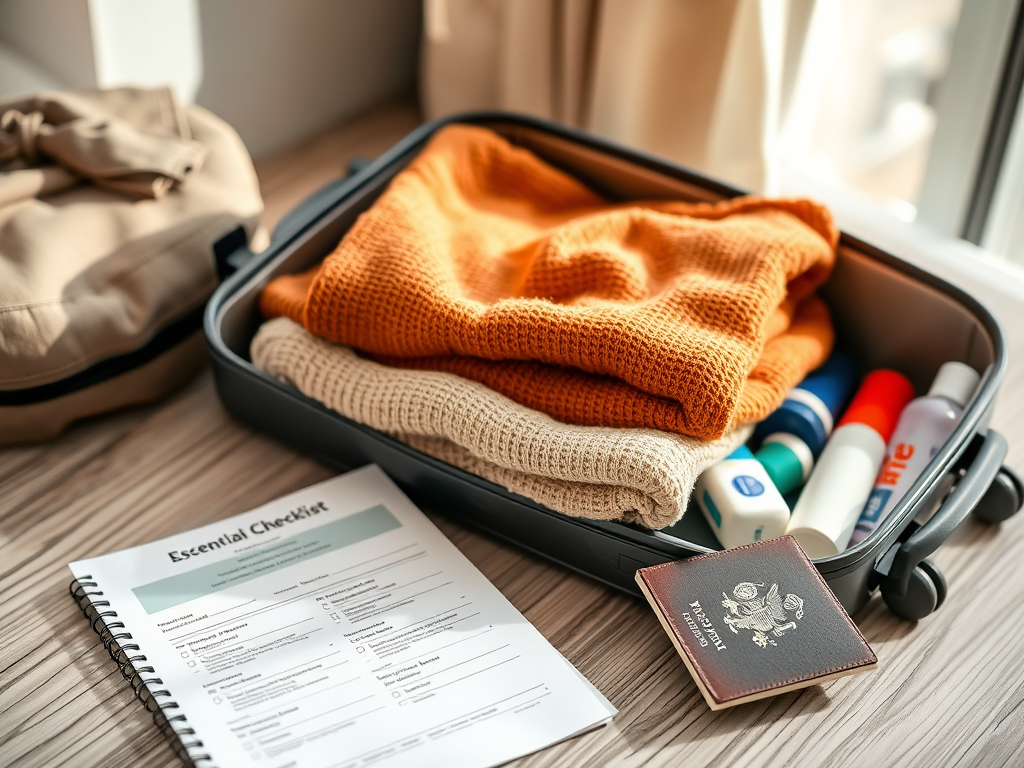
Moving internationally is an exciting step, but it can be overwhelming. There were a few things I didn’t realize I needed until I arrived in Germany, and I ended up packing things I didn’t need for example like a ton of food items and forgetting some of the essential stuff. That’s why having a thorough checklist is crucial. Here’s a guide to help you avoid the same mistakes:
1. Important Documents
Passport (Make sure it’s relatively new! A 10-year passport is ideal. Why? Because your residence permit renewal often depends on the validity of your passport. If your passport has fewer than 2 years left, your residency permit will be impacted).
Visa & Flight Tickets
Travel Insurance
Housing Agreement
Medical Records & Vaccination History
Academic Transcripts (for students)
Birth Certificate: Double-check that the name on your birth certificate matches your passport. This can cause issues when applying for citizenship or registering with local authorities.
Police Report: Some employers in Germany might require a police report, so ensure you have it with you.
2. Clothing & Personal Items
Seasonal Clothes (Pack wisely! I’ve seen many new students bring only light, fashionable clothes thinking the weather would be similar to back home. Trust me, it’s not. Pneumonia is real, and it doesn’t care about how cute your jacket is. You’ll need thick, warm clothing, especially in winter. Don’t skimp on the jackets!)
Comfortable Shoes
Formal/Work Outfits
Undergarments and Socks
Pajamas & Loungewear
3. Toiletries & Health Essentials
Toothbrush, Toothpaste, Floss
Shampoo, Conditioner, Body Wash
Skincare Products
Medications (If you have specific prescriptions, bring them along until you’re stable enough to get local alternatives. Certain medications like Ventolin tablets for asthma might not be available).
First Aid Kit
4. Electronics & Gadgets
Laptop & Charger
Phone & Charger
Headphones
Power Adapters (for the country you’re moving to)
External Hard Drive/USB Drive (for backups)
Camera/Smartphone
5. Money & Banking Essentials
Bank Cards (Notify your bank about your move)
Currency of the Destination Country
Emergency Cash
International Bank Account Details
6. Miscellaneous
Travel Pillow & Eye Mask
Sunglasses, Hat, Sunscreen
Notebook & Pen
A Few Favorite Books/Magazines
A Good Backpack or Daypack
Ziploc Bags for organization
7. Food from Home
If you can afford the extra luggage, bring food items that are hard to find or quite expensive in Germany, especially those that are staples from home. It’ll make the transition smoother when you’re craving a taste of your culture, and buying these items locally can be expensive.
Additional Tips
Accommodation: Housing in Germany can be tricky to find, so start looking early, especially for student dormitories. They tend to be cheaper and require less paperwork.
Health Insurance: It’s a must, and there are both public and private options. Make sure you’re covered as soon as you arrive.
Banking: Opening a bank account is essential because many transactions here are done via bank transfer.
Registering: Make sure you register at the local citizens’ office (Einwohnermeldeamt) as soon as you arrive. This is important for receiving your residence permit and being able to access other services.
Have you already made your packing list for your international move? Share your tips in the comments below, and don’t forget to like and share if you found this helpful. Thank you for reading.
Not knowing everything is not a curse; rather, it is a bold opportunity to understand
Moving to Germany is an exciting experience, but it also comes with unexpected surprises. Here are ten things you should know before settling in:
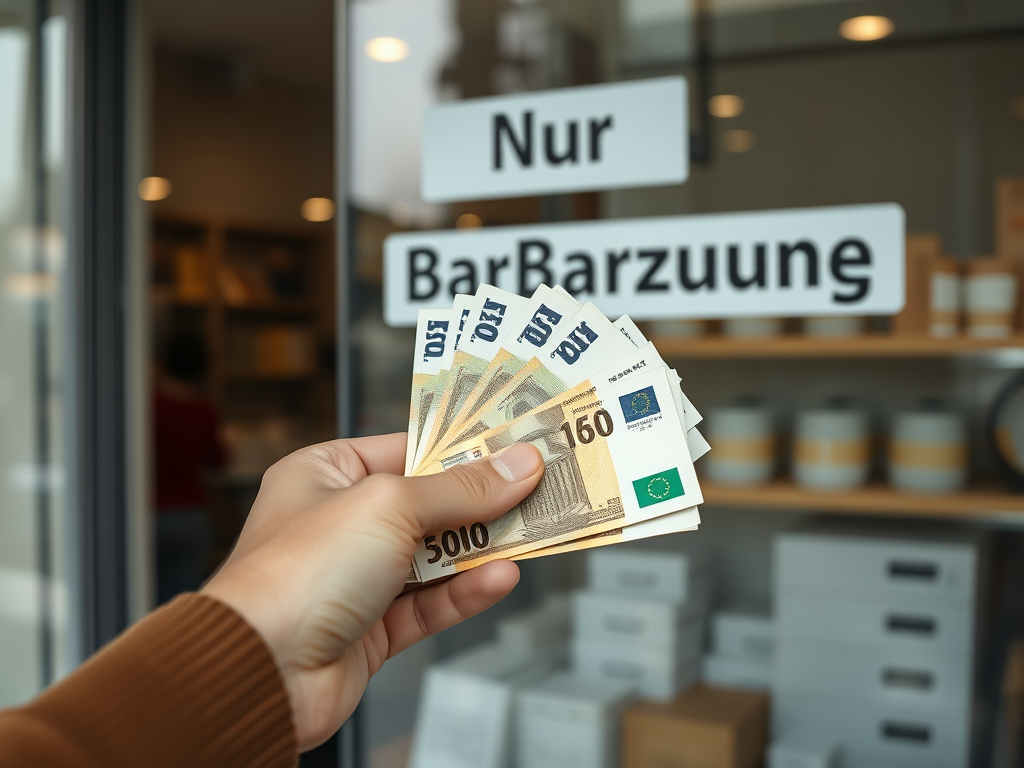
1. Cash is King 💰 Despite being a developed country, Germany still heavily relies on cash transactions. Many restaurants, small shops, and even some supermarkets prefer cash over card payments. A famous German saying goes, “Nur Bares ist Wahres” (Only cash is real). This preference stems from cultural attitudes about privacy and security in financial transactions. Be sure to always carry some cash with you!
In Germany, cash still reigns supreme! Despite the digital age, many places prefer cash for transactions. A handy reminder: always have some euros on hand, especially when shopping offline.#GermanyLife #ExpatLife”
2. Bureaucracy is Inevitable 📄 Almost everything in Germany requires paperwork! Though the government is gradually moving processes online, you will still need to physically submit forms and sign documents for things like registering your apartment (Anmeldung), health insurance, and opening a bank account. Important steps include:
Apartment Registration (Anmeldung) – Required within two weeks of moving.
Health Insurance – Mandatory for all residents (public options include TK, AOK, Barmer; private options also available).
Deutschlandticket / Semester Ticket – Essential for affordable public transport.
Radio Fees (Rundfunkbeitrag) – Costs €18.36 per month and is mandatory, even if you don’t own a TV.
3. Sundays are for Rest ✨ Coming from Nigeria, where life runs 24/7, you might be shocked to find that Sundays in Germany are truly Ruhetage (days of rest). Shops, supermarkets, and businesses are closed, so be sure to do your grocery shopping beforehand.
4. Finding an Apartment is a Job Itself 🏡 Finding housing in cities like Frankfurt, Berlin, or Munich can be a struggle. Networking helps—join Nigerian community groups where housing opportunities are shared. Some students opt for accommodation in nearby villages, where rent is cheaper. If possible, apply early for a student dormitory as it’s usually more affordable and requires fewer documents.
5. Work-Life Balance: The Student Hustle 💼 Many students juggle multiple jobs while studying. It’s tempting to overwork since many of us send money home, build houses, or save for the future, but remember: “We did not come here to count bridges!” 😂 Try to get student jobs related to your field to gain experience and enjoy better pay and benefits, like paid holidays.
6. Deutsche Bahn: Expect Delays! 🚄 If I had to write a series about my Deutsche Bahn experiences, I might win an Oscar! 🤣 Train delays are common, so always plan an extra hour ahead for appointments, work, or school. Be prepared for sudden cancellations and changes.
7. German Language Barrier 🇩🇪 Even though many Germans speak English, learning German is essential for integration. The Volkshochschule (VHS) offers affordable language courses. Mastering the language improves job opportunities and daily interactions.
8. Making Friends is Hard 👯 Germans can be reserved and take time to form friendships. It’s not personal—it’s just cultural. Many expats find it easier to make friends through sports clubs, hobby groups, or expat communities.
9. Health Insurance is Mandatory 💉 Germany requires everyone to have health insurance. Public options include TK, AOK, and Barmer. Private insurance is available but often suits high-income earners or self-employed individuals.
10. Be Part of a Community 🤝 There are various Nigerian organizations in Germany, such as:
NISIG (Nigerian Scholars in Germany) – For students.
Nigerian Igbo Students in Germany – A community for Igbo students.
Obi Igbo Rhein-Main e.V., NARA, NIDO, EREWA – Cultural and professional Nigerian groups. Being part of these networks helps with integration, job opportunities, and finding support.
Living in a new country comes with its challenges, but building genuine connections can make all the difference. Whether it’s sharing useful tips, pointing someone in the right direction, or simply being open to conversations, small actions can have a big impact. Everyone’s journey is different, but a little effort in understanding and supporting each other can go a long way in making life abroad more manageable and fulfilling.
If you found this article helpful, don’t forget to like, share, and comment on what you find that was an unexpected surprise!
Moving to a new country is an exciting adventure, but it also comes with challenges. One of the biggest concerns many people face is adapting to a new culture while staying true to who they are. How do you embrace a new way of life without feeling like you’re losing yourself? The key lies in balance, welcoming new experiences while holding onto the values and traditions that define you.
When moving to a new country, I always advise people to dedicate 5-10 years to learning, observing, experiencing, and growing both through successes and setbacks. Relocating to a different continent, culture, language, and climate is no small feat, and it’s important to be patient with yourself during the transition. Even the natives of that country face their own struggles, as challenges are a natural part of life. Rather than being too hard on ourselves, we should embrace the journey with resilience and an open mind.
Here’s how to do it effectively:
1. Understand the Culture Without Judgment
Cultural differences can be surprising, but instead of judging them as “good” or “bad,” try to understand the reasoning behind them. Learn about local customs, traditions, and social norms. Be open-minded, ask questions, and take time to observe how things work. This helps you integrate smoothly without feeling pressured to change who you are.
2. Stay Connected to Your Roots
While immersing yourself in a new culture, it’s important to maintain connections to your own background. Cook your traditional meals, celebrate your cultural holidays, and speak your native language when possible. Watching movies or listening to music from your home country can also be a great way to stay connected. I remember when I first moved, my dad would send me CDs and DVDs of Owerri songs specifically Bongo music because he knew how much I loved them. I also watched and still watch Yoruba and Igbo movies on YouTube, which helps me stay connected to my roots and keep my language alive, especially during moments of loneliness. These small actions help keep you grounded and provide comfort in unfamiliar surroundings.
3. Build a Support Network
Finding a community of people who share your background can be incredibly reassuring. Seek out cultural organizations, expat groups, or online forums where you can share experiences with others going through the same transition. Having a support system helps you navigate cultural shifts without feeling isolated.
4. Blend Old and New Traditions
Rather than viewing your identity and the new culture as separate, find ways to merge them. If the new country has different holiday traditions, incorporate elements of both. By doing this, you enrich your experience rather than feeling like you have to choose one over the other.
5. Develop Cultural Intelligence
Cultural intelligence (CQ) is the ability to adapt and interact effectively with different cultures. Developing CQ involves being open-minded, listening to others, and accepting cultural differences rather than enforcing your own views. I’ve seen people live in Germany for 20 years without trying the local cuisine, not even knowing what a schnitzel is, while simultaneously frowning upon the way others live. Respecting a new culture doesn’t mean losing yourself—it means understanding and appreciating different ways of life. This is especially important for parents, as embracing the local culture can help them better understand their children as they grow, integrate into school, and navigate the system. I’ll explore this topic further in another blog post.
6. Set Boundaries
Adapting doesn’t mean you have to conform to everything. If something goes against your core values, it’s okay to say no. Respect the new culture, but also expect others to respect your beliefs and traditions. It’s all about mutual understanding and coexistence.
7. Allow Yourself Time to Adjust
Cultural adaptation is a process. There will be moments of excitement and times of frustration. Give yourself grace, allow yourself to make mistakes, and understand that it’s normal to feel out of place at times. With time and effort, you’ll find a balance that feels right for you.
Final Thoughts
Adapting to a new culture doesn’t mean losing your identity—it means growing and evolving while staying true to your values. By embracing new experiences and maintaining connections to your roots, you create a meaningful and authentic life in your new home.
Are you navigating life in a new culture? Share your experiences in the comments below! What strategies have helped you adapt while staying true to yourself? Let’s learn from each other and build a supportive community! 🌍✨