Moving to a new country is a huge transition for any family, especially for children who must adapt to new surroundings, languages, and school environments. Unfortunately, this adjustment can also come with the risk of bullying especially when children look, speak, or act differently than their peers. Whether it’s cultural differences, an accent, unfamiliar clothing, or a different lunchbox, children from immigrant families may become targets.
But parents have a powerful role to play in ensuring their kids feel safe, supported, and empowered during this transition. It starts with open communication and the right tools to help your child navigate their new world confidently.
Understanding Why Bullying Happens
Bullying often stems from ignorance, fear of the unknown, or group dynamics where “different” becomes a target. Children who recently moved may:
Struggle with the new language,
Stand out due to cultural or religious practices,
Feel alone and unsure about how to ask for help.
Rather than feeling shame or isolation, children need to be reminded that their uniqueness is a strength not something to hide.
Educate Your Child About Their Rights
Every child has the right to feel safe at school no matter where they come from or what language they speak.
Teach them what bullying looks like verbal insults, physical aggression, exclusion, or online harassment.
Make sure they know who to talk to: their teacher, school counselor, or another trusted adult.
If you’re in Germany or similar countries, explain the school’s anti-bullying policies (many have strict regulations in place).
Build Resilience and Confidence
Help your child develop inner strength and the ability to handle tough situations:
Role-play common bullying scenarios and practice responses with confidence.
Reinforce positive self-talk and remind them of their strengths, heritage, and talents.
Encourage involvement in activities they enjoy music, sports, art and where they can shine and connect with others.
Confidence builds when children feel accepted and seen for who they are not just as “the new kid.”
Connect with the School Early
Introduce yourself to teachers and let them know about your child’s recent move.
Ask how the school handles social integration for new students and if there are buddy programs or support services.
Stay in regular communication especially in the first few months so you can quickly step in if anything goes wrong.
The earlier you build a relationship with the school, the more support your child will feel.
Create a Safe Space at Home
Home should always be your child’s safe zone.
Encourage them to talk about their day without pressure.
Don’t downplay their feelings if they say they’re being left out or teased.
Let them know it’s okay to feel hurt but they don’t have to face it alone.
Affirm their identity, culture, and journey. Your words matter more than you know.
Final Thoughts
Bullying is painful, but your child doesn’t have to face it alone. As a parent, your love, awareness, and advocacy are powerful shields. The goal isn’t just to protect them but to raise them to be confident, compassionate, and proud of who they are.
You are their safe place and with you by their side, they can rise above anything.
The only way to prove that you’re a good sport is to lose.
Ernie Banks
When it comes to staying active and healthy, one question always pops up: Which physical activity is the most fun? The answer can be different for everyone, but for me, it’s a mix of walking and weight training. These two simple yet powerful activities not only keep me fit, but they also bring joy, motivation, and a real sense of achievement into my daily routine.
The Joy of Walking
Walking is often underrated, but it’s honestly one of the most enjoyable and accessible forms of exercise. Whether it’s a peaceful stroll through the park or a brisk walk to get your heart rate up, walking is a fantastic way to stay active without needing any special equipment.
Here are some of the key benefits of walking:
• Boosts mental health – A good walk can clear your head, reduce stress, and even help with anxiety and depression.
• Supports heart health – Regular walking improves circulation and lowers the risk of heart disease.
• Aids in weight management – It’s a low-impact way to burn calories and keep your metabolism active.
• Improves mood and energy – Getting those steps in can really lift your spirits and boost your energy levels throughout the day.
To stay on track and motivated, I use apps like StepApp and Sweatcoin. They not only help me keep count of my daily steps and miles, but some even reward you with points or coins that you can redeem for rewards. It adds a fun, game-like element to my fitness journey!
The Power of Weight Training
Alongside walking, I absolutely love training with weights. It makes me feel strong, confident, and empowered. I follow Caroline Girvan on YouTube—she is so good! Her workouts are challenging but doable, and she has a really motivating and down-to-earth presence that keeps me coming back.
Weight training isn’t just about building muscle—it has many other benefits:
• Strengthens bones and reduces the risk of osteoporosis.
• Improves posture, balance, and coordination.
• Boosts metabolism, helping you burn more calories even at rest.
• Increases functional strength for everyday tasks.
Dumbbells 💪
Caroline’s structured programs and no-nonsense approach make it easy to stay consistent. Whether I’m using dumbbells or bodyweight, I always finish her workouts feeling accomplished.
So, which physical activity is the most fun? For me, it’s all about the combination—walking for peace of mind and fresh air, and weight training for strength and resilience. Finding what you truly enjoy is the secret to staying active for life. It doesn’t have to be extreme or complicated—just something that moves your body and makes you feel good.
What’s your favorite way to stay active? See you at my next post bye🥰
Moving to a new country can be an exciting adventure, but for children, it can also be a confusing and emotionally challenging experience. As a parent, your support plays a critical role in helping your child navigate the transition and thrive in their new environment. From homesickness to language barriers and making new friends, children face a variety of obstacles but with the right approach, they can overcome them with resilience and confidence.
Understanding Your Child’s Emotional Needs
The first step in supporting your child is to understand the emotional impact that moving abroad can have on them. Children may experience a range of emotions, including sadness, anxiety, confusion, and even excitement. For younger children, the absence of familiar faces, routines, and surroundings can be particularly unsettling. Older children and teens may struggle with a loss of identity, the fear of not fitting in, and concern over leaving behind friendships and familiar environments.
Before the Move: Talk About It Early and Often One of the most powerful ways to prepare your child emotionally is to have honest, age-appropriate conversations about the move before it happens. Explain why the move is necessary not just what it means for the family as a whole, but how it impacts each individual child. For some families, the reason might be to reunite with a parent who already lives abroad. In these cases, emphasize the importance of being together as a family, creating new memories, and supporting one another in a new place.
If you’re moving for work, education, or better opportunities, explain this to your child in terms they can relate to. Help them understand that, while change can be difficult, it’s also a step forward and part of a bigger journey for the family.
Tip: Involve your child in the process. Allow them to ask questions, voice concerns, and even express fears. The goal is not to promise that everything will stay the same because it won’t but to make sure they know that you will be facing the changes together as a family.
Tailor the Conversation to Their Age
Young Children: Use simple, reassuring language. Explain the move using pictures, books, or playful methods to help them grasp what’s coming.
Teenagers: Give them space to process. They may be more resistant or emotionally conflicted, so create room for dialogue without pressure. Show that you trust their ability to adapt, while acknowledging the difficulty of leaving friends, schools, or routines behind.
Set Realistic Expectations and Share What You’ve Learned As a parent, it’s important to research the destination thoroughly so you can answer your child’s questions and prepare them realistically for what’s ahead. Whether it’s about school, lifestyle, cultural norms, or making new friends, your awareness helps ease their anxiety. Explain what changes they can expect like different school systems, moving down classes, possible language barriers, or even changes in food or weather and how you’ll all work together to adjust.
Migration is as natural as breathing, as eating, as sleeping.It is part of life, part of nature.
Reassure and Reaffirm Stability Above all, your child needs to know that even if the environment is changing, your presence and support are not. Assure them that they are not alone and that their feelings matter. Reiterate that as a parent, you are always there for them, no matter what.
Creating a Supportive Home Environment
A supportive home environment plays a critical role in helping your child feel safe and secure during the adjustment period. Establishing routines and maintaining familiar activities can provide a sense of comfort in a world that feels unfamiliar.
Tip: Create a comforting space where your child can retreat to when they need it. Whether it’s a cozy corner for reading, a space for personal hobbies, or simply a room filled with familiar items from home, a personal space can help them feel grounded.
Routines are another important aspect. While everything around them may be changing, keeping certain daily routines such as meal times, bedtimes, or family activities and been consistent can provide stability and predictability in their new life. This helps children feel less overwhelmed by the changes they are facing and gives them a sense of control in an unfamiliar world.
It’s also important to acknowledge that parents, too, are going through their own period of adjustment and shock. In many cases, families move to countries where they don’t have extended family or close friends to rely on. Unlike back home, where grandparents, neighbors, or siblings could help with childcare or emotional support, abroad you may only have your spouse or in the case of single parents, only yourself.
Juggling multiple jobs, managing household responsibilities, and trying to provide for the family can be overwhelming. However, it’s crucial to balance these demands with being emotionally present for your children. When children feel neglected, even unintentionally, they may retreat into silence or exhibit behavioral issues. Prioritizing time for your kids, however small can make a big difference in their ability to cope and connect.
Encouraging Open Communication
One of the most powerful tools you have as a parent is the ability to communicate openly with your child. Establishing regular check-ins, where your child feels safe to express their feelings, will help them process their emotions and gain a sense of connection with you during this time of transition.
To me, if life boils down to one thing, it’s movement
Tip: Ask open-ended questions, such as, “What was the best part of your day?” or “How are you feeling about school or making friends?” Let your child know that it’s okay to be nervous or upset, and that you are there to support them no matter what.
Encourage your child to share their experiences and concerns. Be patient and listen attentively, even if they’re not ready to talk right away. Over time, your child will come to understand that you are there to help them through the ups and downs of their journey.
Encouraging Social Interactions
Making new friends in a new country can be one of the most daunting challenges for children. For younger children, finding playmates in a new place can be overwhelming, while older children may worry about fitting in or dealing with cultural differences. Encouraging social interactions outside of the home is crucial to helping your child feel more integrated into their new environment.
Tip: Encourage your child to participate in extracurricular activities, clubs, or sports teams where they can meet other children with similar interests. Many schools offer language support or after-school programs that can help children connect with their peers.
You can also seek out community events, playdates, or social groups for expatriates to help your child meet others who may be facing similar challenges. If language is a barrier, help your child practice and offer support in learning the new language. You can also connect with other parents who are also expats—this can help both you and your child feel less isolated and more connected to the local community.
Balancing Routine with New Experiences
While creating a stable routine is important, it’s also essential to introduce new experiences that will help your child embrace their new country. Exploring the culture, trying local foods, visiting landmarks, or attending festivals can help children see the positive side of their new environment and create lasting memories.
Tip: Take small steps to incorporate new experiences into your child’s life. Visit local museums, go for walks in nearby parks, or explore new hobbies that are unique to your new location. This will help your child feel excited about their new surroundings, while still offering comfort and stability through familiar routines.
In addition, involving your child in decision-making, such as choosing weekend activities or where to go for outings, can give them a sense of ownership in their new life. This encourages them to embrace the change and become more engaged with their new world.
Final Thoughts
Supporting your child through a move to a new country takes patience, understanding, and compassion. By recognizing their emotional needs, creating a supportive environment, encouraging open communication, fostering social interactions, and balancing routine with new experiences, you can help your child feel secure and confident in their new home. Remember that adjustment is a gradual process, and each child will move at their own pace. As a parent, your love, attention, and support will play a pivotal role in helping them thrive in their new environment.
Have you recently moved with your child? Share your tips for supporting children during a relocation in the comments below!
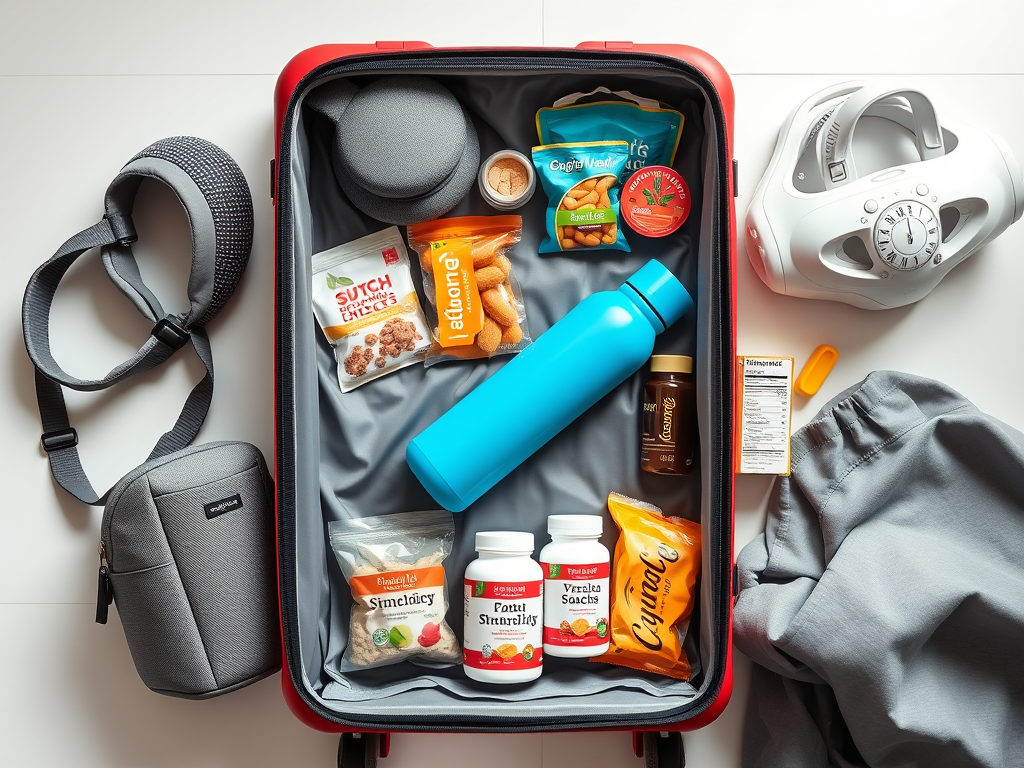
Traveling and living abroad can be an exciting and transformative experience, but it also presents unique health challenges. From adjusting to a new environment and cuisine to dealing with jet lag and accessing healthcare, maintaining your physical and mental well-being should be a priority. Whether you are an expat, a digital nomad, or simply traveling for an extended period, here are essential tips to stay healthy while exploring the world.
1. Maintain a Balanced Diet
Adapting to a new country’s cuisine is an exciting part of travel, but it can also lead to digestive issues or an unhealthy diet. Many expats, students, and travelers are often scared of the unknown when it comes to food in a new country, leading them to opt for fast food or junk meals. In the first few months, some may not have a stable home or a place to cook, making it easier to rely on quick, cheap, and accessible meal options. On the other hand, some newcomers may overindulge in trying new foods, which can result in overeating or making unhealthy dietary choices.
Tip: Aim for a well-balanced diet that includes proteins, vegetables, fruits, and whole grains. If you eat out frequently, try to make healthier choices by opting for grilled over fried foods and avoiding excessive sugar and processed foods. Shopping at local markets and preparing your own meals when possible can also help maintain a nutritious diet.
2. Stay Hydrated and Be Cautious About Water Quality
Dehydration is a common issue while traveling, especially for those coming from hot climates to colder regions, where drinking water may not feel like a priority. Many newcomers have misconceptions about water safety in their new country. For instance, before arriving in Germany, many people hear myths about unsafe drinking water and excessive beer consumption. However, upon arrival, they realize that tap water is widely consumed and safe. That said, the high alkalinity of bathwater in some regions can be harsh on hair, leading to damage over time. Adjusting to new water conditions and staying properly hydrated, regardless of the climate, is crucial for overall health.
Tip: Always carry a reusable water bottle and drink enough water throughout the day. In areas with questionable water quality, opt for bottled, boiled, or filtered water. Avoid ice cubes in drinks if you’re unsure of the water source.
3. Get Enough Sleep and Manage Jet Lag
Sleep deprivation and jet lag can significantly impact your immune system, mental health, and overall well-being. Changing time zones or living in a different climate can disrupt your sleep cycle.
Tip: Stick to a consistent sleep routine, even when traveling. Expose yourself to natural light during the day, limit screen time before bed, and avoid excessive caffeine or alcohol consumption at night. If jet lag is an issue, gradually adjust your sleeping schedule a few days before departure to minimize its effects.
4. Prioritize Physical Activity
When traveling or settling into a new country, staying active can be challenging. Long flights, irregular schedules, and unfamiliar surroundings may disrupt your usual exercise routine.
Tip: Find simple ways to incorporate movement into your daily life. Walking or biking instead of taking public transport, joining a local gym or fitness class, or doing bodyweight exercises in your accommodation can help keep you active. Many countries also offer outdoor activities like hiking, swimming, or yoga, which can be great ways to stay fit while exploring.
5. Manage Stress and Mental Health
Moving to a new country or constantly traveling can be both thrilling and exhausting. The challenges of adapting to a new culture, overcoming language barriers, and being far from family and friends can take a significant toll on your mental and emotional well-being. As someone who frequently travels, I know firsthand how draining it can be. However, I make it a priority to take care of myself. No matter where I am, I start my day with a workout—whether it’s indoor cycling, stretching, or a 10K walk. If I’m staying in one place for a while, I find a local fitness center or follow workout routines on YouTube. It’s not always easy, but prioritizing self-care is essential for thriving in a foreign environment. Taking care of yourself should never be an afterthought—it should be a daily commitment approached with care and grace.
Tip: Prioritize self-care and mental well-being. Stay connected with family and friends through regular video calls, practice mindfulness or meditation, and engage in activities that bring you joy. If needed, seek professional support from a therapist or counselor, especially if you experience prolonged feelings of loneliness or anxiety.
6. Take Care of Your Immune System
A strong immune system helps protect against illnesses, which is crucial when adapting to new environments and potential exposure to different bacteria or viruses.
Tip: Maintain a healthy lifestyle by eating nutrient-rich foods, getting regular exercise, and managing stress. Consider taking vitamins or supplements if needed, especially vitamin C, vitamin D, and probiotics to support your immune health.
7. Stay Up to Date on Vaccinations and Health Insurance
Different countries have different health risks, and some may require specific vaccinations before entry. Additionally, not all destinations have easily accessible healthcare facilities, so having proper health insurance is essential.
Tip: Before traveling, research any required or recommended vaccinations for your destination. Ensure you have comprehensive health insurance that covers medical expenses abroad, including emergency evacuations if necessary. Carry a small medical kit with essential medications and first aid supplies.
8. Be Mindful of Food Safety
Food poisoning is a common issue when traveling or living in a new country. Street food and unfamiliar cooking methods can sometimes lead to digestive problems.
Tip: Eat at reputable restaurants and food stalls where you see high customer turnover, which indicates fresher ingredients. Avoid raw or undercooked meats and be cautious with dairy products if you’re unsure about their storage and handling. Washing fruits and vegetables before consumption can also help prevent foodborne illnesses.
9. Protect Your Skin and Be Aware of Climate Changes
Weather conditions can vary drastically depending on where you travel. Exposure to extreme temperatures, high humidity, or intense sun can impact your skin and overall health.
Tip: Use sunscreen daily, especially in hot or tropical climates. Moisturize your skin in dry or cold conditions and dress appropriately for the weather to prevent heatstroke or hypothermia. Staying aware of climate changes and adapting your clothing and skincare routine accordingly will help you stay comfortable and healthy.
10. Know How to Access Healthcare in Your Destination
Emergencies can happen anywhere, and knowing how to access medical care in a foreign country is crucial.
Tip: Research hospitals, clinics, and pharmacies in your area before you need them. Save emergency contact numbers and know where to find English-speaking doctors if you’re in a non-English-speaking country. If you take prescription medications, ensure you have enough supply or know how to obtain them locally.
Final Thoughts
Staying healthy while traveling and living abroad requires a proactive approach, but it is entirely achievable. By maintaining good habits, prioritizing self-care, and being prepared for potential health challenges, you can enjoy your travels while staying in top shape.
Are you currently traveling or living abroad? What health challenges have you faced, and how do you stay healthy? Share your tips and experiences in the comments below! Let’s create a supportive community for expats and travelers committed to well-being. see you at my next post.