Expat Experience, Packing Tips, Relocation & Immigration, Student Life Abroad

The Ultimate Packing List for Your First International Move

“When you bring peace to your past, you can move forward to your future”

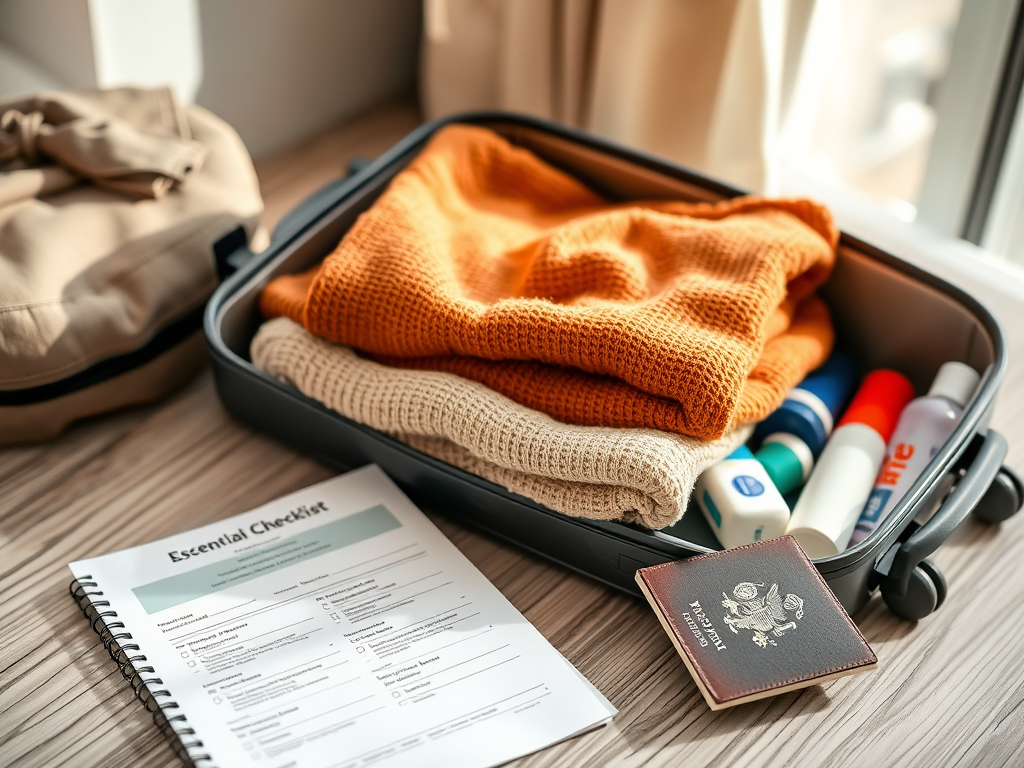
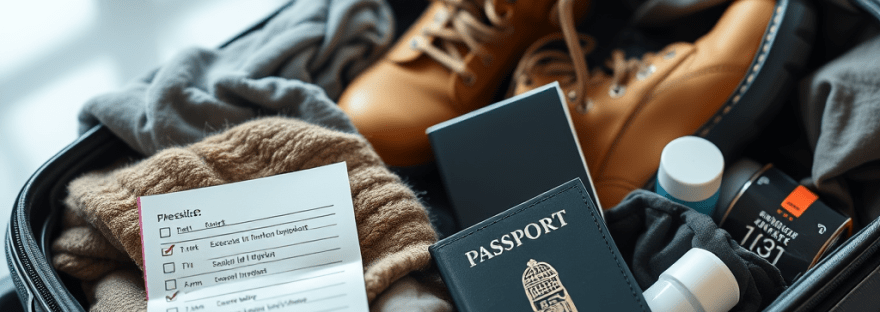
Moving internationally is an exciting step, but it can be overwhelming. There were a few things I didn’t realize I needed until I arrived in Germany, and I ended up packing things I didn’t need for example like a ton of food items and forgetting some of the essential stuff. That’s why having a thorough checklist is crucial. Here’s a guide to help you avoid the same mistakes:

1. Important Documents

  • Passport (Make sure it’s relatively new! A 10-year passport is ideal. Why? Because your residence permit renewal often depends on the validity of your passport. If your passport has fewer than 2 years left, your residency permit will be impacted).
  • Visa & Flight Tickets
  • Travel Insurance
  • Housing Agreement
  • Medical Records & Vaccination History
  • Academic Transcripts (for students)
  • Birth Certificate: Double-check that the name on your birth certificate matches your passport. This can cause issues when applying for citizenship or registering with local authorities.
  • Police Report: Some employers in Germany might require a police report, so ensure you have it with you.

2. Clothing & Personal Items

  • Seasonal Clothes (Pack wisely! I’ve seen many new students bring only light, fashionable clothes thinking the weather would be similar to back home. Trust me, it’s not. Pneumonia is real, and it doesn’t care about how cute your jacket is. You’ll need thick, warm clothing, especially in winter. Don’t skimp on the jackets!)
  • Comfortable Shoes
  • Formal/Work Outfits
  • Undergarments and Socks
  • Pajamas & Loungewear

3. Toiletries & Health Essentials

  • Toothbrush, Toothpaste, Floss
  • Shampoo, Conditioner, Body Wash
  • Skincare Products
  • Medications (If you have specific prescriptions, bring them along until you’re stable enough to get local alternatives. Certain medications like Ventolin tablets for asthma might not be available).
  • First Aid Kit

4. Electronics & Gadgets

  • Laptop & Charger
  • Phone & Charger
  • Headphones
  • Power Adapters (for the country you’re moving to)
  • External Hard Drive/USB Drive (for backups)
  • Camera/Smartphone

5. Money & Banking Essentials

  • Bank Cards (Notify your bank about your move)
  • Currency of the Destination Country
  • Emergency Cash
  • International Bank Account Details

6. Miscellaneous

  • Travel Pillow & Eye Mask
  • Sunglasses, Hat, Sunscreen
  • Notebook & Pen
  • A Few Favorite Books/Magazines
  • A Good Backpack or Daypack
  • Ziploc Bags for organization

7. Food from Home

If you can afford the extra luggage, bring food items that are hard to find or quite expensive in Germany, especially those that are staples from home. It’ll make the transition smoother when you’re craving a taste of your culture, and buying these items locally can be expensive.


Additional Tips

  • Accommodation: Housing in Germany can be tricky to find, so start looking early, especially for student dormitories. They tend to be cheaper and require less paperwork.
  • Health Insurance: It’s a must, and there are both public and private options. Make sure you’re covered as soon as you arrive.
  • Banking: Opening a bank account is essential because many transactions here are done via bank transfer.
  • Registering: Make sure you register at the local citizens’ office (Einwohnermeldeamt) as soon as you arrive. This is important for receiving your residence permit and being able to access other services.

Have you already made your packing list for your international move? Share your tips in the comments below, and don’t forget to like and share if you found this helpful. Thank you for reading.

Daily Post, Expat Experience, Packing Tips, Relocation & Immigration, Travel & Moving, Uncategorized

7 Tips for Adapting to a New Culture Successfully

Moving to a new country is an exciting adventure, but it also comes with challenges. One of the biggest concerns many people face is adapting to a new culture while staying true to who they are. How do you embrace a new way of life without feeling like you’re losing yourself? The key lies in balance, welcoming new experiences while holding onto the values and traditions that define you.

When moving to a new country, I always advise people to dedicate 5-10 years to learning, observing, experiencing, and growing both through successes and setbacks. Relocating to a different continent, culture, language, and climate is no small feat, and it’s important to be patient with yourself during the transition. Even the natives of that country face their own struggles, as challenges are a natural part of life. Rather than being too hard on ourselves, we should embrace the journey with resilience and an open mind.

Here’s how to do it effectively:

1. Understand the Culture Without Judgment

Cultural differences can be surprising, but instead of judging them as “good” or “bad,” try to understand the reasoning behind them. Learn about local customs, traditions, and social norms. Be open-minded, ask questions, and take time to observe how things work. This helps you integrate smoothly without feeling pressured to change who you are.

2. Stay Connected to Your Roots

While immersing yourself in a new culture, it’s important to maintain connections to your own background. Cook your traditional meals, celebrate your cultural holidays, and speak your native language when possible. Watching movies or listening to music from your home country can also be a great way to stay connected. I remember when I first moved, my dad would send me CDs and DVDs of Owerri songs specifically Bongo music because he knew how much I loved them. I also watched and still watch Yoruba and Igbo movies on YouTube, which helps me stay connected to my roots and keep my language alive, especially during moments of loneliness. These small actions help keep you grounded and provide comfort in unfamiliar surroundings.

3. Build a Support Network

Finding a community of people who share your background can be incredibly reassuring. Seek out cultural organizations, expat groups, or online forums where you can share experiences with others going through the same transition. Having a support system helps you navigate cultural shifts without feeling isolated.

4. Blend Old and New Traditions

Rather than viewing your identity and the new culture as separate, find ways to merge them. If the new country has different holiday traditions, incorporate elements of both. By doing this, you enrich your experience rather than feeling like you have to choose one over the other.

5. Develop Cultural Intelligence

Cultural intelligence (CQ) is the ability to adapt and interact effectively with different cultures. Developing CQ involves being open-minded, listening to others, and accepting cultural differences rather than enforcing your own views. I’ve seen people live in Germany for 20 years without trying the local cuisine, not even knowing what a schnitzel is, while simultaneously frowning upon the way others live. Respecting a new culture doesn’t mean losing yourself—it means understanding and appreciating different ways of life. This is especially important for parents, as embracing the local culture can help them better understand their children as they grow, integrate into school, and navigate the system. I’ll explore this topic further in another blog post.

6. Set Boundaries

Adapting doesn’t mean you have to conform to everything. If something goes against your core values, it’s okay to say no. Respect the new culture, but also expect others to respect your beliefs and traditions. It’s all about mutual understanding and coexistence.

7. Allow Yourself Time to Adjust

Cultural adaptation is a process. There will be moments of excitement and times of frustration. Give yourself grace, allow yourself to make mistakes, and understand that it’s normal to feel out of place at times. With time and effort, you’ll find a balance that feels right for you.

Final Thoughts

Adapting to a new culture doesn’t mean losing your identity—it means growing and evolving while staying true to your values. By embracing new experiences and maintaining connections to your roots, you create a meaningful and authentic life in your new home.

Are you navigating life in a new culture? Share your experiences in the comments below! What strategies have helped you adapt while staying true to yourself? Let’s learn from each other and build a supportive community! 🌍✨

Daily writing prompt
What’s something most people don’t understand?