Daily Post, mental well-being, Sport Challenge, Student Life Abroad, Uncategorized, Walking

Which Physical Activity Is the Most Fun?

The only way to prove that you’re a good sport is to lose.

Ernie Banks

When it comes to staying active and healthy, one question always pops up: Which physical activity is the most fun? The answer can be different for everyone, but for me, it’s a mix of walking and weight training. These two simple yet powerful activities not only keep me fit, but they also bring joy, motivation, and a real sense of achievement into my daily routine.

The Joy of Walking

Walking is often underrated, but it’s honestly one of the most enjoyable and accessible forms of exercise. Whether it’s a peaceful stroll through the park or a brisk walk to get your heart rate up, walking is a fantastic way to stay active without needing any special equipment.

Here are some of the key benefits of walking:

• Boosts mental health – A good walk can clear your head, reduce stress, and even help with anxiety and depression.

• Supports heart health – Regular walking improves circulation and lowers the risk of heart disease.

• Aids in weight management – It’s a low-impact way to burn calories and keep your metabolism active.

• Improves mood and energy – Getting those steps in can really lift your spirits and boost your energy levels throughout the day.

To stay on track and motivated, I use apps like StepApp and Sweatcoin. They not only help me keep count of my daily steps and miles, but some even reward you with points or coins that you can redeem for rewards. It adds a fun, game-like element to my fitness journey!

The Power of Weight Training

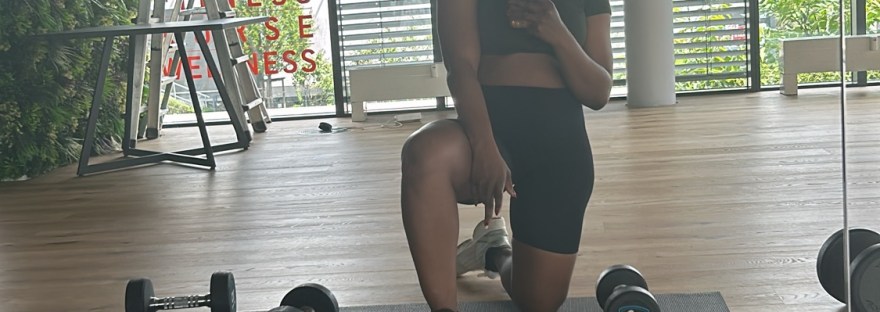
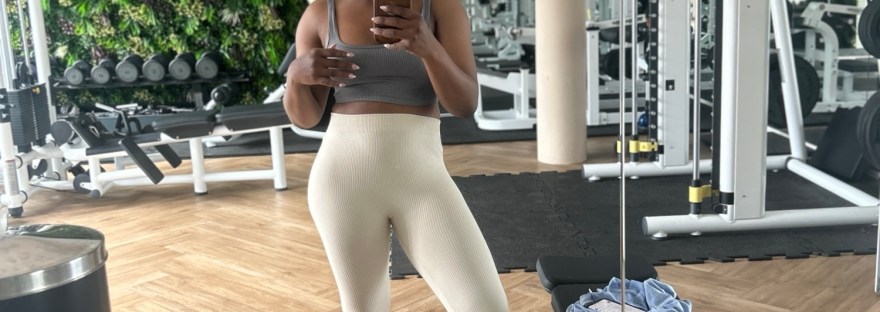
Alongside walking, I absolutely love training with weights. It makes me feel strong, confident, and empowered. I follow Caroline Girvan on YouTube—she is so good! Her workouts are challenging but doable, and she has a really motivating and down-to-earth presence that keeps me coming back.

Weight training isn’t just about building muscle—it has many other benefits:

• Strengthens bones and reduces the risk of osteoporosis.

• Improves posture, balance, and coordination.

• Boosts metabolism, helping you burn more calories even at rest.

• Increases functional strength for everyday tasks.

Dumbbells 💪

Caroline’s structured programs and no-nonsense approach make it easy to stay consistent. Whether I’m using dumbbells or bodyweight, I always finish her workouts feeling accomplished.

So, which physical activity is the most fun? For me, it’s all about the combination—walking for peace of mind and fresh air, and weight training for strength and resilience. Finding what you truly enjoy is the secret to staying active for life. It doesn’t have to be extreme or complicated—just something that moves your body and makes you feel good.

What’s your favorite way to stay active? See you at my next post bye🥰

Daily Post, Sport Challenge, Walking

Day 14: The Importance of Rest and Recovery in Your Walking Routine

Wie drückst du deine Dankbarkeit aus?

Welcome to Day 14 of our walking challenge! By now, you’ve covered a lot of ground, both literally and figuratively. Today, we’ll focus on an often overlooked but crucial part of any exercise routine: rest and recovery. Taking rest days is essential for your body to heal, rebuild, and grow stronger. Let’s explore why rest is important and suggest some activities for active recovery.

Walking and showing off Nails 🥰

The Importance of Rest Days:

  1. Muscle Repair and Growth:
  • Walking, especially on varied terrains or with added intensity, can cause tiny tears in your muscle fibers. Rest days give your muscles the time they need to repair and grow stronger.
  1. Preventing Injury:
  • Continuous walking without proper rest can lead to overuse injuries like shin splints, stress fractures, or tendonitis. Taking regular rest days helps prevent these injuries and keeps you walking longer.
  1. Mental Health Benefits:
  • Rest days aren’t just for your body; they benefit your mind as well. Taking a break helps prevent burnout and keeps you motivated and excited about your walking routine.
  1. Replenishing Energy Stores:
  • Your body uses glycogen (stored carbohydrates) for energy during exercise. Rest days allow your body to replenish these stores, ensuring you have enough energy for your next walk.

Activities for Active Recovery:

  1. Light Stretching:
  • Gentle stretching can improve flexibility, reduce muscle tightness, and enhance blood flow to your muscles, aiding in recovery. Focus on stretching your legs, hips, and back.
  1. Yoga:
  • Incorporating yoga into your rest days can provide both physical and mental benefits. Yoga helps stretch and strengthen muscles, improve balance, and reduce stress.
  1. Foam Rolling:
  • Foam rolling is a form of self-myofascial release that helps alleviate muscle soreness and improve blood circulation. Spend a few minutes rolling out your legs, back, and any other tight areas.
  1. Gentle Walks:
  • While it might sound counterintuitive, a gentle, low-intensity walk can actually aid recovery by increasing blood flow without putting too much strain on your muscles.
  1. Hydration and Nutrition:
  • Proper hydration and nutrition are key components of recovery. Drink plenty of water and consume a balanced diet rich in protein, healthy fats, and carbohydrates to support muscle repair and energy replenishment.


How do you incorporate rest and recovery into your fitness routine? Share your tips and experiences in the comments below. For more guidance and updates, don’t forget to subscribe to my blog. Additionally, join our 5-DAY PRAYER WALK CHALLENGE: Rejuvenate Your Spirit on my YouTube channel. Watch the video below and please subscribe for more inspirational content!

YouTube Link: 5-DAY PRAYER WALK CHALLENGE: Rejuvenate Your Spirit


Rest and recovery are vital components of any successful exercise routine, including walking. By incorporating rest days and active recovery activities, you ensure that your body heals, grows stronger, and stays injury-free. Remember, taking time to rest doesn’t mean you’re slacking off; it’s a necessary part of staying healthy and maintaining long-term fitness. So, take a break, relax, and get ready to hit the ground running (or walking) again soon!

Happy walking!

Daily Post, Sport Challenge, Uncategorized, Walking

Day 13: Exploring Different Terrains on Your Walking Journey


“If you are seeking creative ideas, go out walking. Angels whisper to a man when he goes for a walk.”

— Raymond Inmon


Welcome to Day 13 of our walking challenge! By now, you’ve learned how to adjust your pace, monitor your heart rate, and stay motivated. Today, we’ll explore the benefits of walking on different terrains. Varying your walking surfaces can enhance your workout, prevent boredom, and provide unique health benefits. Let’s dive in!

Benefits of Walking on Different Surfaces:

  1. Grass:
  • Lower Impact: Walking on grass is gentler on your joints compared to harder surfaces like pavement. This can reduce the risk of injury and is ideal for those with joint issues or arthritis.
  • Balance and Stability: The uneven surface of grass challenges your balance and stability, engaging your core muscles and improving overall strength.
  • Natural Scenery: Enjoying the natural beauty of parks and meadows can be mentally refreshing and boost your mood.
  1. Pavement:
  • Accessibility: Pavement is readily available in urban and suburban areas, making it a convenient choice for daily walks.
  • Consistency: The even, hard surface of pavement allows for a consistent walking pace, which can be beneficial for tracking distance and time.
  • Speed and Efficiency: Pavement is ideal for brisk walking or interval training, as it provides a stable surface to push your speed.
  1. Trails:
  • Varied Terrain: Walking on trails offers a mix of surfaces such as dirt, gravel, and rocks, which can enhance muscle engagement and coordination.
  • Scenic Views: Trails often lead through forests, hills, and mountains, providing beautiful scenery and a sense of adventure.
  • Full-Body Workout: The varied terrain and elevation changes of trails can provide a more comprehensive workout, engaging more muscle groups and improving cardiovascular health.
Fun ways to walk 🥰

Encouragement to Try New Terrains:

  1. Mix It Up:
  • Incorporate different terrains into your walking routine to keep things interesting. For example, you could walk on pavement during the week and explore a trail or park on the weekends.
  1. Plan Ahead:
  • Research local parks, nature reserves, and walking trails in your area. Plan your walks to include new and diverse environments.
  1. Challenge Yourself:
  • Set goals to walk on different terrains each week. Challenge yourself to explore new paths, whether it’s a grassy park, a city sidewalk, or a rugged trail.
  1. Safety First:
  • When walking on uneven or unfamiliar terrain, wear appropriate footwear with good traction and support. Bring water, a map, and a friend if you’re exploring a new area.


What terrains do you enjoy walking on? Share your experiences and favorite walking spots in the comments below. For more inspiration and updates, don’t forget to subscribe to my blog. Additionally, join our 5-DAY PRAYER WALK CHALLENGE: Rejuvenate Your Spirit on my YouTube channel. Watch the video below and please subscribe for more inspirational content!

YouTube Link: 5-DAY PRAYER WALK CHALLENGE: Rejuvenate Your Spirit


Exploring different terrains can add variety to your walking routine and offer unique benefits for your body and mind. Whether it’s the softness of grass, the consistency of pavement, or the challenge of trails, each surface brings something valuable to your fitness journey. Step out of your comfort zone and try new walking environments to keep your walks exciting and effective.

Happy walking!

Daily Post, Sport Challenge, Walking

Day 12: Understanding Pace and Heart Rate in Your Walking Routine

Was macht einen großartigen Lehrer aus?

Introduction:
Happy Sunday everyone 🥰🥰. Welcome to Day 12 of our walking journey! By now, you’ve learned about interval training and staying motivated. Today, we’re going to dive into understanding and optimizing your walking pace and heart rate. Measuring and adjusting your walking pace, along with understanding heart rate zones, can significantly enhance your fitness results and overall health. Let’s get started!

Measuring and Adjusting Walking Pace:

  1. Determine Your Current Pace:
  • Use a stopwatch or a walking app to measure the time it takes you to walk a set distance, such as 1 mile or 1 kilometer. This will give you a baseline pace.
  • Example: If it takes you 20 minutes to walk 1 mile, your pace is 20 minutes per mile.
  1. Set Pace Goals:
  • Once you know your current pace, set realistic goals to improve. Gradually increase your walking speed by reducing the time it takes to cover the same distance.
  • Example: Aim to reduce your pace from 20 minutes per mile to 18 minutes per mile over the next few weeks.
  1. Adjust Your Pace:
  • To walk faster, focus on taking quicker, shorter steps rather than longer strides. Keep your arms bent at a 90-degree angle and swing them naturally to help propel you forward.
  • Maintain good posture: stand tall, engage your core, and keep your gaze forward.
  1. Use Technology:
  • Fitness trackers and walking apps can help you monitor and adjust your pace in real-time. Set your desired pace on the app and receive feedback during your walk.
Walking is Medicinal and beautiful

Understanding Heart Rate Zones:

  1. Calculate Your Maximum Heart Rate (MHR):
  • Your maximum heart rate is typically estimated as 220 minus your age. For example, if you’re 40 years old, your MHR is 180 beats per minute (bpm).
  1. Heart Rate Zones:
  • Zone 1: Very Light (50-60% of MHR): This is a comfortable, easy pace, suitable for warm-ups and cool-downs.
  • Zone 2: Light (60-70% of MHR): Ideal for longer, steady-paced walks. It improves endurance and burns fat.
  • Zone 3: Moderate (70-80% of MHR): Increases cardiovascular fitness and burns more calories. Suitable for brisk walking or light interval training.
  • Zone 4: Hard (80-90% of MHR): This high-intensity zone improves speed and performance. Suitable for short bursts of fast walking or jogging.
  • Zone 5: Maximum (90-100% of MHR): This zone is typically reserved for short, all-out efforts and is rarely maintained for long periods.
  1. Monitor Your Heart Rate:
  • Use a heart rate monitor or a fitness tracker with heart rate capabilities to keep track of your heart rate during walks. Many devices will show you which heart rate zone you’re in.
  1. Adjusting Effort Based on Heart Rate:
  • If your goal is to improve endurance, aim to stay in Zone 2 for most of your walk.
  • For higher calorie burn and cardiovascular benefits, incorporate periods of walking in Zones 3 and 4.

Incorporating Heart Rate and Pace into Your Routine:

  • Warm-Up: Start in Zone 1 with a slow pace.
  • Main Walk: Stay in Zone 2 or 3, adjusting your pace to keep your heart rate within the desired zone.
  • Intervals: Include short bursts in Zone 4 for added intensity.
  • Cool Down: End in Zone 1, gradually slowing your pace.


How do you monitor and adjust your walking pace and heart rate.

Share your tips and experiences in the comments below. For more guidance and updates, don’t forget to subscribe to my blog. Additionally, join our 5-DAY PRAYER WALK CHALLENGE: Rejuvenate Your Spirit on my YouTube channel. Watch the video below and please subscribe for more inspirational content!

YouTube Link: 5-DAY PRAYER WALK CHALLENGE: Rejuvenate Your Spirit


Understanding and optimizing your walking pace and heart rate can significantly enhance the effectiveness of your walking routine. By measuring and adjusting your pace and staying within the appropriate heart rate zones, you can achieve better fitness results and improve your overall health. Start incorporating these tips into your walks and watch your progress grow. Happy walking!

Daily Post, Sport Challenge, Walking

Day 11: Staying Motivated on Your Walking Journey


“The sum of the whole is this: walk and be happy; walk and be healthy. The best way to lengthen out our days is to walk steadily and with a purpose.”

– Charles Dickens

Introduction:
Welcome to Day 11 of our walking challenge! By now, you’ve incorporated interval training and started to see the benefits of your commitment. However, staying motivated can sometimes be a challenge. Today, we’ll share some motivational tips and quotes to keep you inspired. We’ll also discuss the role of a walking buddy or group in maintaining your enthusiasm and accountability.

Motivational Tips to Keep You Inspired:

  1. Set Achievable Goals:
  • Break your larger goals into smaller, manageable milestones. Celebrate each achievement to keep yourself motivated.
  • Example: Aim to walk 10,000 steps a day, then gradually increase your target.
  1. Visualize Success:
  • Imagine the benefits you’ll gain from walking, such as improved health, which for example if you have sugar in your system, walking helps to reduce sugar in your blood streams. It also helps with energy, and better mood. Visualizing success can keep you motivated to stay on track.
  1. Create a Reward System:
  • I try to reward myself everyday for reaching my goals. By treating myself to something nice, like watching a movie, getting my nails done or just enjoying the scenery of my walking route. Treat yourself to a new pair of walking shoes, a massage, or a healthy treat.
  1. Mix It Up:
  • Change your walking routes to keep things interesting. Explore new areas, parks, or neighborhoods.
  • Check out the video on my YouTube channel for inspiration on different walking challenges and routes.
  1. Use Motivational Quotes:
  • Place motivational quotes where you can see them daily. Here are some to get you started:
    • “The journey of a thousand miles begins with one step.” – Lao Tzu
    • “Walking is man’s best medicine.” – Hippocrates
    • “An early-morning walk is a blessing for the whole day.” – Henry David Thoreau

The Role of a Walking Buddy or Group:

  1. Accountability:
  • I for one go not have a walking buddy because my friends do not like to walk. So I had to make myself accountable. Having a walking buddy or joining a group can keep you accountable. You’re less likely to skip a walk if someone else is counting on you.
  1. Social Interaction:
  • Walking with others can make the experience more enjoyable. Use the time to catch up with friends, discuss your day, or simply enjoy the companionship.
  1. Safety:
  • Walking with a buddy or group enhances safety, especially if you’re walking in less populated areas or during early morning or late evening hours.
  1. Motivation and Support:
  • Encouraging each other can keep the motivation high. Share your progress, celebrate milestones together, and offer support during tougher days.
  1. Community:
  • Joining a walking group can create a sense of community and belonging. Look for local walking clubs or start one with friends and family.


What keeps you motivated on your walking journey? Share your tips and favorite motivational quotes in the comments below. For more inspiration and updates, don’t forget to subscribe to my blog. Additionally, join our 5-DAY PRAYER WALK CHALLENGE: Rejuvenate your Spirit on my YouTube channel. Watch the video below and please subscribe for more inspirational content!

YouTube Link: 5-DAY PRAYER WALK CHALLENGE: Rejuvenate Your Spirit


Staying motivated is key to maintaining your walking routine and achieving your fitness goals. By setting achievable goals, visualizing success, and rewarding yourself, you can keep the momentum going. A walking buddy or group can provide accountability, support, and companionship, making your walks more enjoyable and safe. Keep pushing forward, and remember, every step you take brings you closer to a healthier, happier you.

Happy walking!

Daily Post, Sport Challenge, Walking

Day 10 – Incorporating Interval Training into your Walking Routine

What are your daily habits?

Walking🥰


Welcome to Day 10 of our walking journey! By now, you’ve established a solid routine and started tracking your progress. Today, we’re adding a new element to your walks: interval training. Interval training can significantly boost the effectiveness of your workouts by alternating between high and low-intensity periods. This method not only enhances your fitness but also keeps your routine exciting and challenging.

The Concept of Interval Training:
Interval training involves alternating between periods of higher intensity and lower intensity activity. For walking, this means incorporating short bursts of fast-paced walking or even jogging, followed by periods of slower, more relaxed walking.

Benefits of Interval Training:

  • Improved Cardiovascular Health: Increases your heart rate during high-intensity periods, strengthening your heart.
  • Enhanced Calorie Burn: Burns more calories compared to steady-state walking due to the higher intensity bursts.
  • Increased Endurance: Builds stamina and endurance faster than regular walking.
  • Muscle Toning: Engages different muscle groups, leading to better muscle tone and strength.
  • Boredom Buster: Adds variety to your routine, making your walks more interesting and less monotonous.

Beginner-Friendly Interval Walking Plan:

Here’s a simple interval training plan to get you started. Adjust the intensity and duration based on your fitness level:

  1. Warm-Up (5 minutes):
  • Start with a gentle walk to warm up your muscles and get your blood flowing.
  1. Interval Cycle (20 minutes):
  • Fast Walk (2 minutes): Walk at a brisk pace, pushing yourself but still able to talk.
  • Slow Walk (3 minutes): Slow down to a comfortable pace to recover. Repeat this cycle 4 times.
  1. Cool Down (5 minutes):
  • Finish with a slow, relaxing walk to bring your heart rate down and stretch your muscles.

Example Interval Training Session:

  • Warm-Up: 5 minutes at a comfortable pace
  • Fast Walk: 2 minutes at a brisk pace
  • Slow Walk: 3 minutes at a comfortable pace
  • Fast Walk: 2 minutes at a brisk pace
  • Slow Walk: 3 minutes at a comfortable pace
  • Fast Walk: 2 minutes at a brisk pace
  • Slow Walk: 3 minutes at a comfortable pace
  • Fast Walk: 2 minutes at a brisk pace
  • Slow Walk: 3 minutes at a comfortable pace
  • Cool Down: 5 minutes at a relaxed pace

Incorporating Walking into a Sustainable Lifestyle:
Walking daily supports a sustainable lifestyle by reducing your carbon footprint and promoting overall well-being. It’s an easy yet impactful way to contribute to a healthier planet and a healthier you.


Please let us know how do you incorporate interval training into your walking routine? Share your experiences and tips in the comments below. For more tips and updates, don’t forget to subscribe to my blog. Additionally, check out my YouTube channel and join the 5-DAY PRAYER WALK CHALLENGE: Rejuvenate your Spirit. Watch the video below and please subscribe to my channel for more inspirational content!

YouTube Link: 5-DAY PRAYER WALK CHALLENGE: Rejuvenate Your Spirit


Incorporating interval training into your walking routine can take your fitness to the next level. By alternating between high and low-intensity periods, you’ll improve cardiovascular health, burn more calories, and build endurance more effectively. Start with the beginner-friendly interval walking plan provided and adjust it to match your fitness level.

Happy walking and don’t forget to share your journey with us!🥰

Daily Post, Sport Challenge, Walking

Day 9: Tracking Your Progress on Your Walking Journey


“Pursue some path, however narrow and crooked, in which you can walk with love and reverence.”

– Henry David Thoreau

Introduction:
Welcome to Day 9 of our walking challenge! Establishing a consistent walking routine is a fantastic achievement. Now, it’s time to take the next step: tracking your progress. Monitoring your walking distance, time, and improvements can boost motivation and help you reach your fitness goals. Plus, it aligns with sustainable living practices by promoting regular physical activity. Today, we’ll introduce various methods to track your progress and recommend some of the best apps and tools to help you along the way.

Kindly subscribe, share and comment on http://5-DAY PRAYER WALK CHALLENGE: Rejuvenate your Spirit https://youtu.be/ESk6fe2DW9Y

The Importance of Tracking Your Progress:

  • Motivation: Seeing your progress over time can be incredibly motivating and encourage you to keep going.
  • Goal Setting: Tracking allows you to set realistic and achievable goals based on your current performance.
  • Accountability: Monitoring your walks helps you stay accountable to your exercise plan.
  • Improvement: By tracking your data, you can identify areas for improvement and adjust your routine accordingly.

Methods to Track Walking Distance and Time:

  1. Manual Tracking:
  • Journal: Keep a walking journal where you record the date, distance, time, and how you felt during the walk. This can provide a personal touch and a sense of accomplishment.
  • Spreadsheet: Use a simple spreadsheet to log your walks. Include columns for date, distance, duration, route, and notes.
  1. Pedometers:
  • A basic pedometer can count your steps and estimate the distance you’ve walked. This is a simple and cost-effective way to keep track.
  1. Fitness Trackers:
  • Wearable fitness trackers, such as Fitbit or Garmin, provide detailed data on your steps, distance, time, and even heart rate. These devices sync with apps to give you comprehensive insights.

Recommended Apps and Tools for Tracking:

  1. MapMyWalk:
  • This app allows you to track your walking routes, distance, time, and calories burned. It also provides detailed maps and can sync with various fitness trackers.
  1. Strava:
  • Popular among runners and cyclists, Strava is also excellent for walkers. It tracks your route, distance, pace, and elevation. You can also join challenges and connect with friends for added motivation.
  1. Google Fit:
  • A simple and free app that tracks your steps, distance, and active minutes. It integrates with various devices and apps for a complete overview of your activity.
  1. Apple Health:
  • If you use an iPhone, Apple Health automatically tracks your steps and walking distance. You can also manually add data and sync with other health apps.
  1. Fitbit App:
  • If you have a Fitbit device, the accompanying app provides detailed insights into your walking activities, including steps, distance, time, and heart rate. It also offers challenges and community features for motivation.
  1. Step App:
  • Step App is a straightforward app that tracks your steps and daily activity. It’s user-friendly and great for setting daily step goals.
  1. Sweatcoin:
  • This unique app tracks your steps and converts them into “Sweatcoins,” which can be redeemed for various rewards. It’s a fun way to stay motivated and get a little something back for your efforts.

Incorporating Walking into a Sustainable Lifestyle:
Walking daily is not just about fitness; it’s a practice that supports a sustainable lifestyle. By choosing to walk, you reduce your carbon footprint, decrease reliance on vehicles, and promote overall well-being. It’s a simple yet impactful way to contribute to a healthier planet and a healthier you.

Conclusion:
Tracking your progress is a powerful tool to stay motivated, set achievable goals, and monitor improvements in your walking routine. Whether you prefer manual methods, basic pedometers, or advanced apps and fitness trackers, there’s an option that suits your needs. Start tracking your walks today and watch your progress unfold, step by step.


How do you track your walking progress? Share your favorite methods and tools in the comments below. Don’t forget to subscribe for more tips and updates as we continue this walking journey together! Additionally, let us know if there are daily practices you follow to lead a more sustainable lifestyle.

Happy walking!🥰

Daily Post, Motivation, Sport Challenge

Day 8 – Establishing a Routine for Your Daily Walks

Rise, shine, and walk: the perfect morning routine.

Introduction:
Welcome to Day 8 of our walking journey! As you continue to make walking a regular part of your life, establishing a consistent routine is essential. A solid routine not only helps in forming a habit but also ensures you reap the maximum benefits from your walking exercise. Today, we’ll discuss the importance of consistency in exercise and offer practical tips on creating a daily walking schedule.

The Importance of Consistency in Exercise:
Consistency is the cornerstone of any successful fitness regimen. Here’s why it matters:

  • Builds a Habit: Regularly walking at the same time each day helps your body and mind adapt, making it easier to stick to your exercise plan.
  • Enhances Physical Health: Consistent exercise improves cardiovascular health, boosts metabolism, and aids in weight management.
  • Improves Mental Well-being: Routine physical activity releases endorphins, reducing stress and enhancing your mood.
  • Increases Endurance: Regular walking builds stamina and energy over time, making everyday activities easier.

Have you watched some fun ways to walk? Click the link below http://5-DAY PRAYER WALK CHALLENGE: Rejuvenate your Spirit https://youtu.be/ESk6fe2DW9Y

Please subscribe,share, like and comment what makes it fun for you when walking.

Tips on Creating a Daily Walking Schedule:

  1. Choose the Best Time for You:
  • Morning Walks: Starting your day with a walk can energize you, boost your metabolism, and allow you to enjoy the tranquility of the early hours.
  • Evening Walks: Walking in the evening can help you unwind after a busy day, reflect on your activities, and enjoy cooler temperatures.
  1. Set Specific Goals:
  • Determine the duration and distance of your walks. Begin with manageable targets and gradually increase them as you build endurance.
  1. Plan Your Routes:
  • Variety: To keep things interesting, I try to go a different route every day and sometimes extend the same route a bit farther than the previous day.
  • Exploration: Link your walks to getting to know the next street, the next village, or finding new spots to relax. Walking in new areas can make your routine more exciting.
  1. Incorporate Enjoyable Activities:
  • Make your walks engaging by incorporating activities such as prayer walks, talking to yourself, or making calls to friends and family. This way, you might not even realize you’ve walked a great distance.
  • Other fun activities include dancing, listening to music, or simply enjoying the silence. I always make my walks enjoyable and often use this time to make decisions. Walking clears my head, providing clarity and peace.
  1. Prepare Ahead:
  • Lay out your walking gear the night before. Having your water bottle, comfortable shoes, and appropriate clothing ready removes barriers to starting your walk.

Staying Motivated:

  • Visual Reminders: Place motivational quotes or reminders where you can see them daily.
  • Join a Walking Group: Walking with others can make the routine more enjoyable and provide accountability.
  • Reflect on Benefits: Regularly remind yourself of the physical and mental benefits you gain from walking.

Conclusion:
Establishing a routine is about making walking a natural and enjoyable part of your day. By planning ahead and incorporating activities you love, you can look forward to your daily walks and stay consistent. Remember, each step you take is a step toward a healthier and happier you. Happy walking!


Share your experiences and tips for establishing a walking routine in the comments below. Don’t forget to subscribe for more updates and join us on this journey towards better health and wellness!

Daily Post, Sport Challenge

Day 7: Planning Your Walking Routes


 “If you are in a bad mood, go for a walk. If you are still in a bad mood, go for another walk.”

–Hippocrates

Welcome to Day 7 of the 30-Day Walking Challenge!

You’ve made it to the end of the first week—congratulations! Today, we’ll discuss how to plan your walking routes to keep your walks interesting and enjoyable. Walking the same route every day can get monotonous, so it’s important to mix things up and explore new areas.

Why Plan Your Walking Routes?

Planning your walking routes can:

  • Keep Things Interesting: Exploring new areas prevents boredom and keeps your walks exciting.
  • Challenge Yourself: Varying your routes and distances can help you gradually increase your stamina and fitness level.
  • Enhance Your Experience: Different routes offer new scenery, potential places to rest, and opportunities for adventure.

Mixing Up Your Routes

I try to go a different route every day. Exploring new paths not only keeps things fresh but also helps you get to know your neighborhood or surrounding areas better. Sometimes I go the same route but farther than yesterday, pushing myself to cover more ground and build endurance.

Getting to Know Your Area

Walking is a fantastic way to discover what’s around you. Use your walks to get to know the next street, the next village closely, and spot great places to relax. I have joy walking in the bushes; trust me, it’s incredibly peaceful and a perfect escape from the hustle and bustle of daily life.

Mental Planning

I often plan my walking routes mentally, thinking about where I want to go and what I might discover along the way. This mental preparation adds a sense of purpose to each walk.

Kindly subscribe to my YouTube channel here is the link video on walking http://5-DAY PRAYER WALK CHALLENGE: Rejuvenate your Spirit https://youtu.be/ESk6fe2DW9Y

Making Walks Fun

To make my walks interesting and not boring, I incorporate various activities:

  • Prayer Walks: Reflecting or praying during my walks brings a sense of peace and fulfillment.
  • Talking to Myself: I use this time for self-reflection or to think through decisions.
  • Making Calls: Chatting with friends and family can make the time fly by.
  • Dancing: Sometimes, I put on some music and dance while I walk.
  • Listening to Music or Pure Silence: Both can be incredibly therapeutic, depending on my mood.
5-DAY PRAYER WALK CHALLENGE: Rejuvenate your Spirit
http://5-DAY PRAYER WALK CHALLENGE: Rejuvenate your Spirit https://youtu.be/ESk6fe2DW9Y

Decision-Making Walks

I make almost all my decisions while walking. It helps clear my head, mind, and soul, giving me the clarity and energy to think things through. This mental clarity enhances the physical benefits of walking, leaving me feeling accomplished and healthy.

Today’s Task

  1. Plan a New Route: Choose a new route for your walk today. It could be a street you’ve never explored, a nearby village, or a scenic trail.
  2. Incorporate Activities: Make your walk enjoyable by incorporating one of the activities mentioned above, whether it’s listening to music, making calls, or simply enjoying the silence.
  3. Reflect: Take note of how these changes impact your walking experience. Did exploring a new route or adding an activity make your walk more enjoyable?

Looking Ahead

Tomorrow, we’ll explore the mental health benefits of walking. Physical activity like walking has a profound impact on the mind, boosting your mood, reducing stress, and enhancing overall well-being.

Keep up the fantastic work, and happy walking! 🚶‍♂️🚶‍♀️


Stay tuned for tomorrow’s topic: Mental Health Benefits of Walking. We’ll dive into how walking can improve your mood, reduce stress, and promote overall mental well-being.

Daily Post, Sport Challenge

Day 6: Warming Up and Cooling Down


 “The beauty is in the walking — we are betrayed by destinations.”

–Gwyn Thomas

Welcome to Day 6 of the 30-Day Walking Challenge!

Fantastic progress! We’ve covered the benefits of walking, assessed fitness levels, set goals, discussed proper gear, and learned basic walking techniques. Today, we’re focusing on two crucial components of any exercise routine: warming up and cooling down. These practices are essential for preventing injuries, improving performance, and aiding recovery.

Why Warm Up?

Warming up before you walk prepares your body for the physical activity ahead. Here’s why it’s important:

  • Increases Blood Flow: A warm-up boosts circulation, delivering more oxygen and nutrients to your muscles.
  • Prepares Muscles and Joints: It gradually increases muscle temperature and flexibility, reducing the risk of strains and sprains.
  • Enhances Performance: A good warm-up primes your body for optimal performance, making your walk more efficient and enjoyable.
  • Mental Readiness: It helps you mentally transition from a state of rest to activity, improving focus and motivation.

Simple Warm-Up Routine

Spend 5-10 minutes on the following warm-up exercises before you start walking:

  1. March in Place (2 minutes)
  • Stand tall and lift your knees high, swinging your arms naturally.
  1. Arm Circles (1 minute)
  • Extend your arms to the sides and make small circles, gradually increasing the size. Reverse direction halfway through.
  1. Leg Swings (1 minute per leg)
  • Hold onto a wall or support, swing one leg forward and backward, then side to side. Repeat with the other leg.
  1. Ankle Circles (1 minute per ankle)
  • Lift one foot off the ground and rotate your ankle in circles, first clockwise, then counterclockwise. Repeat with the other foot.
  1. Dynamic Stretches (2 minutes)
  • Perform gentle dynamic stretches, such as lunges with a twist or walking toe touches.

Why Cool Down?

Cooling down after your walk is just as important as warming up. It helps your body transition back to a state of rest and aids in recovery:

  • Gradually Lowers Heart Rate: Cooling down prevents a sudden drop in blood pressure, reducing dizziness and lightheadedness.
  • Prevents Muscle Stiffness: Gentle stretches help relax muscles and maintain flexibility.
  • Reduces Lactic Acid Build-Up: Cooling down helps flush out lactic acid and other metabolic waste products, reducing soreness.
  • Mental Relaxation: It provides a moment to reflect on your walk and unwind.

Simple Cool-Down Routine

Spend 5-10 minutes on the following cool-down exercises after your walk:

  1. Slow Walk (2-3 minutes)
  • Gradually reduce your pace to a slow walk, allowing your heart rate to come down naturally.
  1. Quadriceps Stretch (1 minute per leg)
  • Stand on one leg, hold onto a support if needed, and pull your other heel towards your buttocks, stretching the front of your thigh. Repeat with the other leg.
  1. Hamstring Stretch (1 minute per leg)
  • Place one foot forward with the heel on the ground, bend your back leg slightly, and hinge at the hips to feel a stretch in the back of your extended leg. Repeat with the other leg.
  1. Calf Stretch (1 minute per leg)
  • Stand facing a wall, place one foot behind you with the heel on the ground, and lean into the wall, stretching the calf of the back leg. Repeat with the other leg.
  1. Upper Body Stretch (2 minutes)
  • Perform gentle stretches for your arms, shoulders, and back. For example, clasp your hands behind your back and gently lift them to stretch your chest and shoulders.

Today’s Task

  1. Practice Warm-Up and Cool-Down: Incorporate the warm-up and cool-down routines into your walk today.
  2. Observe and Reflect: Pay attention to how your body feels before and after walking with these routines. Note any differences in comfort, performance, and recovery.
  3. Stay Consistent: Make warming up and cooling down a regular part of your walking routine to maintain good habits and prevent injuries.

Looking Ahead

Tomorrow, we’ll discuss the benefits of walking for mental health. Physical activity like walking doesn’t just benefit the body; it has a profound impact on the mind as well.

Keep up the excellent work, and happy walking! 🚶‍♂️🚶‍♀️


Stay tuned for tomorrow’s topic: Mental Health Benefits of Walking. We’ll explore how walking can boost your mood, reduce stress, and enhance overall mental well-being.

Daily Post, Sport Challenge

Day 5: Basic Walking Techniques


“All truly great thoughts are conceived while walking.” 

— Friedrich Nietzsche

Welcome to Day 5 of the 30-Day Walking Challenge!

You’ve made it to Day 5, and you’re doing fantastic! So far, we’ve covered the benefits of walking, assessed our fitness levels, set personal goals, and discussed the importance of proper walking gear. Today, we’ll focus on mastering basic walking techniques to ensure you walk with good form and avoid injury.

Why Proper Technique Matters

Walking may seem simple, but using the correct technique is crucial for several reasons:

  • Injury Prevention: Good form reduces the risk of injuries such as shin splints, knee pain, and back pain.
  • Efficiency: Proper technique makes your walking more efficient, helping you walk longer distances with less effort.
  • Health Benefits: Walking with good posture maximizes the health benefits, including improved cardiovascular fitness and muscle tone.

Basic Walking Techniques

  1. Posture
  • Stand Tall: Keep your head up, back straight, and shoulders relaxed. Avoid slouching or leaning forward.
  • Eyes Forward: Look ahead about 20 feet rather than down at your feet. This helps maintain good posture and keeps you aware of your surroundings.
  • Engage Your Core: Tighten your abdominal muscles slightly to support your lower back and maintain a strong, stable core.
  1. Arm Swing
  • Bend Your Elbows: Keep your elbows bent at a 90-degree angle and swing your arms naturally as you walk.
  • Opposite Movement: Your arms should swing in opposition to your legs (right arm with left leg and left arm with right leg). This helps balance and propel you forward.
  1. Stride
  • Heel to Toe: Strike the ground with your heel first, then roll through the step, pushing off with your toes. This ensures a smooth, natural gait.
  • Short Strides: Avoid overstriding, which can lead to injury. Take shorter, quicker steps to maintain efficiency and reduce impact on your joints.
  1. Foot Placement
  • Straight Path: Aim to place your feet parallel to each other, pointing straight ahead. This helps maintain balance and reduces strain on your knees and hips.
  • Even Weight Distribution: Distribute your weight evenly across your feet to prevent excessive pressure on any one part.
  1. Breathing
  • Rhythmic Breathing: Maintain a steady breathing rhythm to keep your oxygen levels up and avoid fatigue.
  • Deep Breaths: Breathe deeply from your diaphragm rather than shallowly from your chest. This improves oxygen intake and overall stamina.

Tips for Practicing Good Technique

  • Warm-Up: Start with a gentle warm-up to get your muscles ready for walking. This can include light stretching or a few minutes of slower walking.
  • Check Your Form: Periodically check your posture and form during your walk. Make adjustments as needed to ensure you’re maintaining good technique.
  • Use Visual Cues: Imagine a string pulling you up from the top of your head to maintain an upright posture.
  • Start Slow: If you’re new to focusing on technique, start with shorter walks and gradually increase the duration as you become more comfortable.
  • Listen to Your Body: Pay attention to any discomfort or pain. Adjust your form and consult a professional if necessary to avoid injury.

Today’s Task

  1. Practice Proper Technique: During your walk today, focus on implementing the basic techniques outlined above. Pay attention to your posture, arm swing, stride, foot placement, and breathing.
  2. Warm-Up and Cool Down: Start with a 5-minute warm-up and end with a 5-minute cool-down, including light stretching.
  3. Reflect on Your Experience: After your walk, take a few minutes to reflect on how you felt using the proper techniques. Note any improvements or areas that need more focus.

Looking Ahead

Tomorrow, we’ll discuss the importance of warming up and cooling down, and provide a simple routine to incorporate into your walking sessions. Proper warm-up and cool-down techniques are essential for preventing injuries and aiding recovery.

Keep practicing those techniques, and happy walking! 🚶‍♂️🚶‍♀️


Stay tuned for tomorrow’s topic: Warming Up and Cooling Down. We’ll discuss why these are crucial for your walking routine and provide easy-to-follow routines to keep you safe and healthy.

Daily Post, Sport Challenge

Day 4: Proper Walking Gear


An early morning walk is a blessing for the whole day.” 

— Henry David Thoreau

Welcome to Day 4 of the 30-Day Walking Challenge!

Great to see you back for another day of walking insights! Yesterday, we set personal goals using the SMART framework. Today, we’re focusing on choosing the right walking gear. The proper gear can make your walking experience more comfortable and enjoyable, while also preventing injuries.

Why Proper Gear Matters

Wearing the right gear is essential for several reasons:

  • Comfort: Proper gear ensures you stay comfortable during your walks, whether it’s hot or cold outside.
  • Support: Good footwear provides the necessary support to prevent foot and ankle injuries.
  • Performance: The right gear can enhance your walking performance and help you achieve your fitness goals.
  • Safety: Appropriate clothing and accessories can keep you safe from the elements and improve visibility in low-light conditions.

Footwear: The Foundation of Your Walking Gear

Wearing the right shoes is crucial for any walking routine. Here’s what to look for:

  1. Proper Fit: Ensure your shoes fit well without being too tight or too loose. There should be enough room for your toes to move comfortably.
  2. Support: Look for shoes with good arch support and cushioning. This helps absorb the impact of walking and reduces strain on your feet and legs.
  3. Durability: Choose shoes made from durable materials that can withstand regular use.
  4. Breathability: Shoes with breathable fabrics keep your feet cool and dry, reducing the risk of blisters.

Clothing: Dressing for the Season

Your clothing should be appropriate for the weather conditions to ensure maximum comfort and safety.

  1. Winter Walking Gear
  • Layers: Dress in layers to stay warm. Start with a moisture-wicking base layer, add an insulating layer, and finish with a windproof and waterproof outer layer.
  • Accessories: Wear gloves, a hat, and a scarf to protect your extremities. Thermal socks are also a good idea.
  • Visibility: Choose bright colors or reflective gear to stay visible during shorter winter days.
  1. Summer Walking Gear
  • Lightweight Fabrics: Opt for lightweight, moisture-wicking fabrics to keep you cool and dry.
  • Sun Protection: Wear a hat, sunglasses, and sunscreen to protect against UV rays.
  • Hydration: Carry a water bottle to stay hydrated in the heat.

Padded Insoles: Extra Comfort for Your Feet

Insoles can provide additional cushioning and support, especially if you have foot problems like plantar fasciitis or flat feet. Look for insoles that:

  • Fit Your Shoes: Ensure they fit well without making your shoes too tight.
  • Offer Support: Choose insoles with good arch support and shock absorption.
  • Are Durable: Invest in high-quality insoles that can withstand regular use.

Accessories to Enhance Your Walking Experience

  • Fitness Tracker: Track your steps, distance, and calories burned to monitor your progress. I personally use three apps to track my steps and they all have the same function but vary from one app to the other. my Apple phone to track my walking steps or the
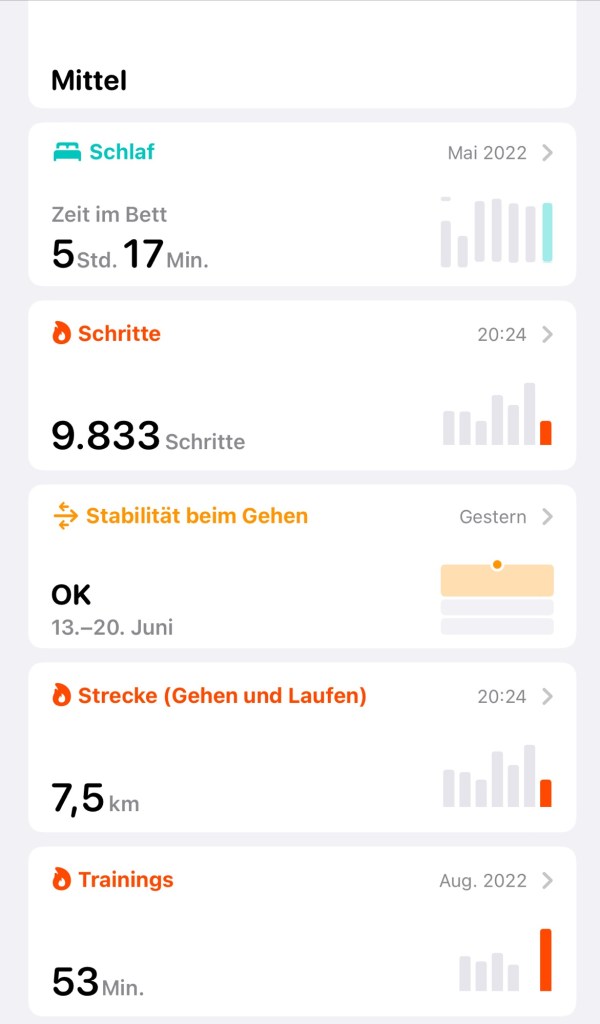
  • Apple health: I use this to track my steps and also sleep activities it always helps me to track my fitness.
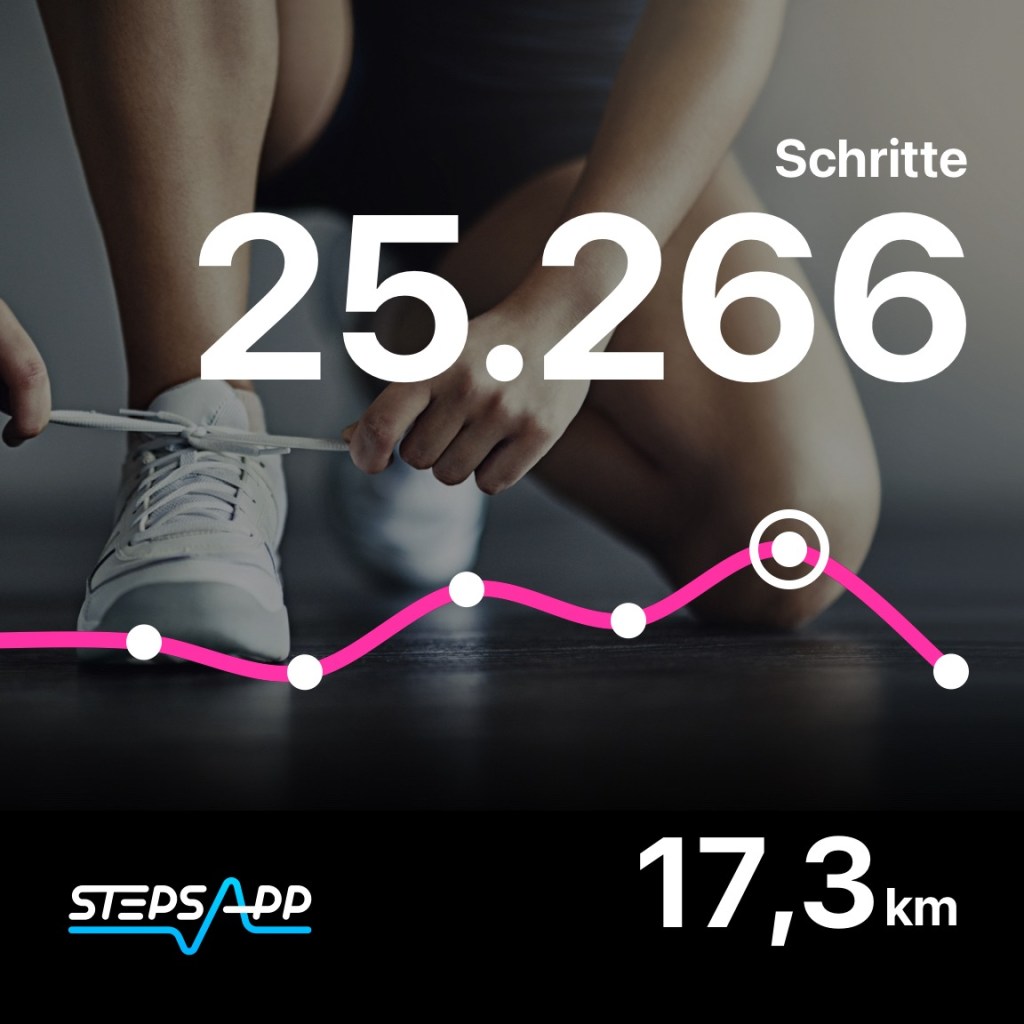
  • Step App: I have been using this app for 5 years now and I do not regret ever using this app. This app is the reason install everyday. It makes me happy to use it. It nudges me when I have not completed my steps for the day. It also shows the daily walks, weekly walks and yearly. It gives badges for every accomplishment on the app and it is free. Yes there is a 2,99€ one time payment but you can do without it.
  • Sweatcoin: I downloaded this app because when I walk i earn coins. Crypto coins. And it is really a great app. You win many prizes on the app and can use the coins you earn from walking to buy things in shops on the app.
  • Reflective Gear: Use reflective vests, bands, or lights to stay visible in low-light conditions.
  • Hydration Pack: For longer walks, a hydration pack can keep you hydrated without having to carry a bottle.
Apple Health app( this is my Steps today)
StepsApp. This was my steps yesterday
Sweatcoin App

Today’s Task

  1. Review Your Gear: Take inventory of your current walking gear. Ensure your shoes are in good condition and your clothing is suitable for the weather.
  2. Make Necessary Upgrades: If your shoes are worn out or your clothing is not ideal for the current season, consider upgrading.
  3. Prepare for Tomorrow’s Walk: Lay out your gear the night before to make your walking routine seamless and stress-free.

Looking Ahead

Tomorrow, we’ll dive into basic walking techniques to ensure you maintain proper posture and form during your walks. Good technique helps prevent injuries and maximizes the benefits of your walking routine.

Keep up the great work and happy walking! 🚶‍♂️🚶‍♀️


Stay tuned for tomorrow’s topic: Basic Walking Techniques. We’ll discuss how to maintain proper posture and form to make the most of your walking routine.

Daily Post, Sport Challenge

Day 2: Assessing Your Fitness Level


„The journey of a thousand miles begins with a single step“

Lao Tzu

Welcome Back to the 30-Day Walking Challenge!

It’s great to see you back for Day 2 of our walking journey! Yesterday, we discussed the many benefits of walking and set some initial goals. Today, we’re going to take a closer look at your current fitness level. This assessment will help you understand where you’re starting from and ensure you set realistic, achievable goals for the next 30 days.

Why Assess Your Fitness Level?

Understanding your fitness level is crucial for several reasons:

  • Safety: Knowing your limits can help prevent injuries.
  • Progress Tracking: Establishing a baseline makes it easier to see improvements over time.
  • Goal Setting: Realistic goals keep you motivated and prevent frustration.

Simple Fitness Assessment

You don’t need any special equipment to assess your fitness level. Here are a few simple steps:

  1. Resting Heart Rate
  • How to Measure: Before you get out of bed in the morning, take your pulse for one minute.
  • Why It Matters: A lower resting heart rate generally indicates a higher level of cardiovascular fitness.
  1. The 6-Minute Walk Test
  • How to Perform: Find a flat, open area where you can walk without interruption. Set a timer for 6 minutes and walk at a steady pace. Measure the distance you cover. You can do this in front of your TV or outside.
  • Why It Matters: This test provides a good indication of your endurance and aerobic capacity.
  1. Rate Your Perceived Exertion (RPE)
  • How to Rate: Use a scale from 1 to 10, where 1 is very light activity (like sitting) and 10 is very hard activity (like sprinting). During your 6-minute walk, note how hard you feel you’re working.
  • Why It Matters: This subjective measure helps you understand your effort level and can guide your pacing.
  1. Flexibility Test
  • How to Perform: Sit on the floor with your legs straight. Reach forward as far as you can, aiming to touch your toes. Measure the distance between your fingertips and toes.
  • Why It Matters: Flexibility is an important component of overall fitness and can impact your walking form.

Interpreting Your Results

Here’s a simple way to interpret your results:

  • Resting Heart Rate: A typical resting heart rate for adults ranges from 60 to 100 beats per minute. Athletes may have a lower resting heart rate.
  • 6-Minute Walk Distance: The average distance walked by healthy adults in six minutes is around 500-600 meters (1,640-1,970 feet). Don’t worry if you fall short; the goal is to improve over time.
  • Perceived Exertion: A moderate intensity level is usually between 3 to 5 on the RPE scale. Aim for this range during most of your walks.
  • Flexibility: Touching your toes or getting close indicates good flexibility. If you’re far off, include some stretching exercises in your routine.

Setting Your Goals Based on the Assessment

Now that you have a clearer picture of your starting point, refine your goals:

  • Distance: If you walked 400 meters in the 6-minute test, aim to increase this gradually.
  • Frequency: Commit to walking a set number of days per week, even if it’s just 10 minutes per day to start.
  • Intensity: Use the RPE scale to ensure you’re working at a moderate intensity level.

Today’s Task

  1. Complete Your Fitness Assessment: Take your resting heart rate, perform the 6-minute walk test, rate your perceived exertion, and check your flexibility.
  2. Record Your Results: Write down your results and keep them in a journal or fitness app.
  3. Adjust Your Goals: Based on your assessment, refine your goals to be specific, measurable, achievable, relevant, and time-bound (SMART).
My early morning walk in Hamburg

Looking Ahead

Tomorrow, we’ll discuss setting personal goals and creating a plan to stay motivated throughout this challenge. Remember, the key to success is consistency and gradual improvement. You’ve already taken an important step by assessing your fitness level. Keep up the great work!

Also please let me know in the comment how this went for you and how you felt walking.

Happy walking! 🚶‍♂️🚶‍♀️


Stay tuned for tomorrow’s topic: Setting Personal Goals. We’ll help you create a roadmap for success and keep you motivated along the way.

Daily Post, Sport Challenge

Day 3: Setting Personal Goals


“All truly great thoughts are conceived while walking.”

–Friedrich Nietzsche

Welcome to Day 3 of the 30-Day Walking Challenge!

You’re doing fantastic! By now, you’ve understood the benefits of walking and assessed your current fitness level. Today, we’re going to focus on setting personal goals. Clear, well-defined goals are essential for staying motivated and tracking your progress.

Why Set Goals?

Setting goals helps you:

  • Stay Focused: Goals provide direction and a clear path to follow.
  • Measure Progress: They allow you to track your improvements and celebrate milestones.
  • Stay Motivated: Achieving goals boosts confidence and keeps you committed to your walking routine.
  • Maintain Accountability: Goals can help you stay accountable to yourself and others.

The SMART Goal Framework

Effective goals are SMART: Specific, Measurable, Achievable, Relevant, and Time-bound. Let’s break down each component:

  1. Specific: Clearly define what you want to achieve.
  • Example: “I want to walk for 30 minutes every day.” This was the way I started which was in ring of my TV with Walk at home by Leslie. She is the Bomb 💣. You need to try it.
  1. Measurable: Ensure your goal can be tracked and measured.
  • Example: “I want to increase my walking distance by 1 mile each week.”
  1. Achievable: Set realistic goals that are challenging but attainable.
  • Example: “I will start by walking 10 minutes a day and gradually increase to 30 minutes.”
  1. Relevant: Make sure your goals align with your overall health objectives.
  • Example: “I want to walk to improve my cardiovascular health and lose weight.”
  1. Time-bound: Set a deadline to create a sense of urgency.
  • Example: “I will achieve this goal by the end of the 30-day challenge.”

Examples of SMART Goals

Here are a few examples to inspire you:

  • Beginner: “I will walk for 15 minutes a day, five days a week for the next four weeks.”
  • Intermediate: “I will walk 3 miles, three times a week, and include one interval training session per week.”
  • Advanced: “I will participate in a 5K walk event at the end of this challenge, walking 5 days a week to prepare.”

Creating Your Personal Goals

Take some time today to write down your goals. Consider your fitness assessment results from yesterday and think about what you realistically want to achieve. Here’s a step-by-step guide:

  1. Reflect on Your Assessment: Review your current fitness level and areas for improvement.
  2. Choose Your Focus: Decide whether you want to focus on duration, distance, frequency, or intensity.
  3. Write Down Your Goals: Use the SMART framework to craft your goals.
  4. Break Down Big Goals: If your goal is large, break it into smaller, manageable milestones.
  5. Plan Your Steps: Outline the actions you need to take to reach each goal.

Tips for Staying Motivated

  • Visual Reminders: Keep a journal, calendar, or app to track your progress and remind you of your goals.
  • Celebrate Milestones: Reward yourself when you achieve mini-goals.
  • Stay Flexible: Life happens. If you miss a day, don’t get discouraged. Adjust and keep moving forward.
  • Find Support: Share your goals with a friend or join a walking group for accountability.
Day 3 Walking 🥰🥰 have fun 🤩

Today’s Task

  1. Set Your Goals: Write down at least three SMART goals for your walking routine.
  2. Create a Plan: Outline a plan to achieve these goals, including your daily or weekly walking schedule.
  3. Share Your Goals: Share your goals with a friend, family member, or in the comments section to create accountability.

Looking Ahead

Tomorrow, we’ll talk about choosing the right walking gear to ensure you’re comfortable and safe while walking. Proper footwear and clothing can make a big difference in your walking experience.

Keep up the great work and stay focused on your goals. You’re making amazing progress!

Happy walking! 🚶‍♂️🚶‍♀️


Stay tuned for tomorrow’s topic: Proper Walking Gear. We’ll discuss how to choose the best shoes and clothing to enhance your walking experience.

Sport Challenge

Day 1: Introduction to Walking for Health

Was magst du an dir selbst am liebsten?

Welcome to the 30-Day Walking Challenge!

Congratulations on taking the first step towards a healthier, more active lifestyle! Over the next 30 days, we will embark on a journey to improve our fitness, boost our mood, and discover the joys of walking. Whether you’re new to exercise or looking to add more activity to your daily routine, walking is a fantastic way to achieve your health goals.

Why Walking?

Walking is one of the simplest and most accessible forms of exercise.

I love to walk anyone who knows me knows I love to walk. I have been doing this for over 6 years and I am still in awe 🫢 how this has been my norm. If I don’t walk i don’t feel good. Here are some compelling reasons to make walking a part of your daily life:

  1. Improves Cardiovascular Health: Regular walking strengthens the heart, reduces the risk of heart disease, and improves circulation.
  2. Aids in Weight Management: Walking helps burn calories and maintain a healthy weight.
  3. Boosts Mental Health: Walking releases endorphins, which help reduce stress, anxiety, and depression.
  4. Enhances Muscle Tone and Strength: Walking engages various muscle groups, helping to tone and strengthen your legs, core, and even arms.
  5. Increases Energy Levels: Regular physical activity boosts your energy and stamina.
  6. Promotes Better Sleep: Engaging in daily walks can improve the quality of your sleep.

What to Expect Over the Next 30 Days

Each day, we’ll cover a new topic to keep you motivated and informed. We’ll start with the basics, such as assessing your current fitness level, setting personal goals, and choosing the right gear. As we progress, we’ll explore more advanced techniques like interval training, walking with weights, and incorporating mindfulness into your walks.

We’ll also share tips on staying motivated, overcoming common challenges, and making walking a part of your daily routine. By the end of this challenge, you’ll not only see improvements in your physical health but also in your mental well-being.

Walking on treadmill is also beneficial for your health

Your Goals for Today

  1. Reflect on Your Motivation: Take a moment to think about why you want to start walking. Is it to improve your fitness, lose weight, reduce stress, or something else? Write down your reasons and keep them as a reminder.
  2. Set Your Initial Goals: Think about what you want to achieve in the next 30 days. It could be walking a certain distance, walking for a set amount of time each day, or simply committing to walk every day.
  3. Prepare Your Gear: Ensure you have comfortable walking shoes and suitable clothing. If you need new gear, today is a great day to get it!

Let’s Get Started!

Start with a gentle 15-20 minute walk at a comfortable pace. Pay attention to how you feel during and after the walk. This initial walk will help you gauge your starting point and prepare you for the days ahead.

Feel free to share your goals and progress in the comments. Let’s support each other on this journey to better health!

Happy walking! 🚶‍♂️🚶‍♀️


Stay tuned for tomorrow’s topic: Assessing Your Fitness Level. We’ll help you determine your starting point and set realistic, achievable goals for the challenge.