

Traveling and living abroad can be an exciting and transformative experience, but it also presents unique health challenges. From adjusting to a new environment and cuisine to dealing with jet lag and accessing healthcare, maintaining your physical and mental well-being should be a priority. Whether you are an expat, a digital nomad, or simply traveling for an extended period, here are essential tips to stay healthy while exploring the world.
1. Maintain a Balanced Diet
Adapting to a new country’s cuisine is an exciting part of travel, but it can also lead to digestive issues or an unhealthy diet. Many expats, students, and travelers are often scared of the unknown when it comes to food in a new country, leading them to opt for fast food or junk meals. In the first few months, some may not have a stable home or a place to cook, making it easier to rely on quick, cheap, and accessible meal options. On the other hand, some newcomers may overindulge in trying new foods, which can result in overeating or making unhealthy dietary choices.
Tip: Aim for a well-balanced diet that includes proteins, vegetables, fruits, and whole grains. If you eat out frequently, try to make healthier choices by opting for grilled over fried foods and avoiding excessive sugar and processed foods. Shopping at local markets and preparing your own meals when possible can also help maintain a nutritious diet.
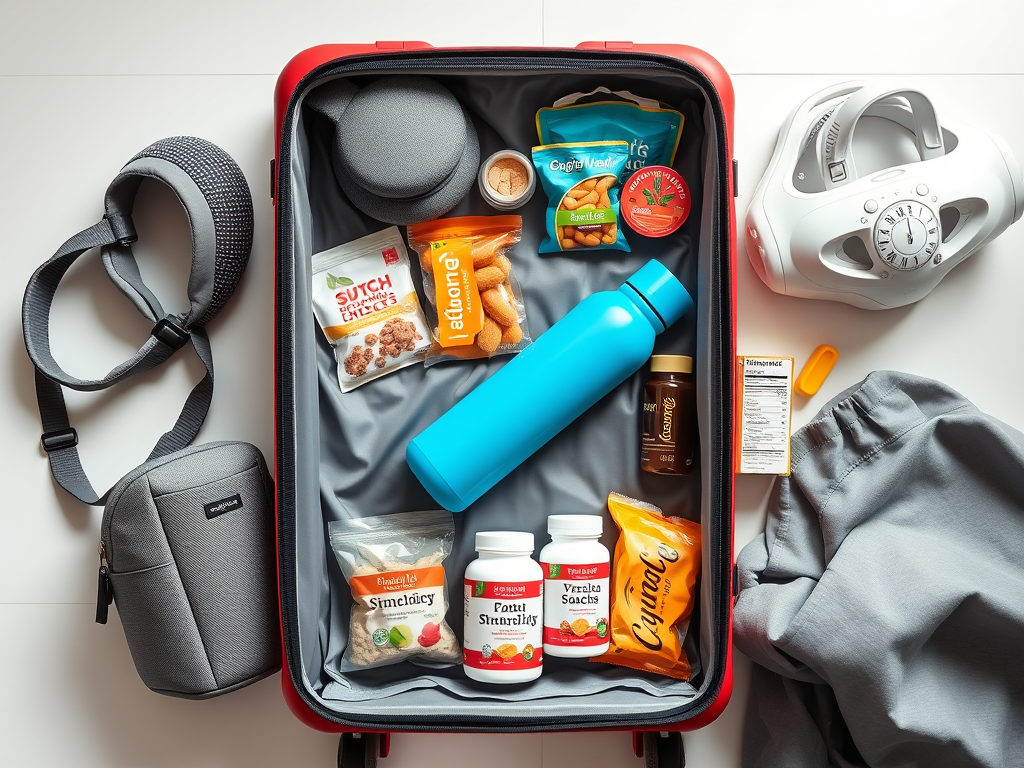
2. Stay Hydrated and Be Cautious About Water Quality
Dehydration is a common issue while traveling, especially for those coming from hot climates to colder regions, where drinking water may not feel like a priority. Many newcomers have misconceptions about water safety in their new country. For instance, before arriving in Germany, many people hear myths about unsafe drinking water and excessive beer consumption. However, upon arrival, they realize that tap water is widely consumed and safe. That said, the high alkalinity of bathwater in some regions can be harsh on hair, leading to damage over time. Adjusting to new water conditions and staying properly hydrated, regardless of the climate, is crucial for overall health.
Tip: Always carry a reusable water bottle and drink enough water throughout the day. In areas with questionable water quality, opt for bottled, boiled, or filtered water. Avoid ice cubes in drinks if you’re unsure of the water source.
3. Get Enough Sleep and Manage Jet Lag
Sleep deprivation and jet lag can significantly impact your immune system, mental health, and overall well-being. Changing time zones or living in a different climate can disrupt your sleep cycle.
Tip: Stick to a consistent sleep routine, even when traveling. Expose yourself to natural light during the day, limit screen time before bed, and avoid excessive caffeine or alcohol consumption at night. If jet lag is an issue, gradually adjust your sleeping schedule a few days before departure to minimize its effects.
4. Prioritize Physical Activity
When traveling or settling into a new country, staying active can be challenging. Long flights, irregular schedules, and unfamiliar surroundings may disrupt your usual exercise routine.
Tip: Find simple ways to incorporate movement into your daily life. Walking or biking instead of taking public transport, joining a local gym or fitness class, or doing bodyweight exercises in your accommodation can help keep you active. Many countries also offer outdoor activities like hiking, swimming, or yoga, which can be great ways to stay fit while exploring.
5. Manage Stress and Mental Health
Moving to a new country or constantly traveling can be both thrilling and exhausting. The challenges of adapting to a new culture, overcoming language barriers, and being far from family and friends can take a significant toll on your mental and emotional well-being. As someone who frequently travels, I know firsthand how draining it can be. However, I make it a priority to take care of myself. No matter where I am, I start my day with a workout—whether it’s indoor cycling, stretching, or a 10K walk. If I’m staying in one place for a while, I find a local fitness center or follow workout routines on YouTube. It’s not always easy, but prioritizing self-care is essential for thriving in a foreign environment. Taking care of yourself should never be an afterthought—it should be a daily commitment approached with care and grace.
Tip: Prioritize self-care and mental well-being. Stay connected with family and friends through regular video calls, practice mindfulness or meditation, and engage in activities that bring you joy. If needed, seek professional support from a therapist or counselor, especially if you experience prolonged feelings of loneliness or anxiety.
6. Take Care of Your Immune System
A strong immune system helps protect against illnesses, which is crucial when adapting to new environments and potential exposure to different bacteria or viruses.
Tip: Maintain a healthy lifestyle by eating nutrient-rich foods, getting regular exercise, and managing stress. Consider taking vitamins or supplements if needed, especially vitamin C, vitamin D, and probiotics to support your immune health.
7. Stay Up to Date on Vaccinations and Health Insurance
Different countries have different health risks, and some may require specific vaccinations before entry. Additionally, not all destinations have easily accessible healthcare facilities, so having proper health insurance is essential.
Tip: Before traveling, research any required or recommended vaccinations for your destination. Ensure you have comprehensive health insurance that covers medical expenses abroad, including emergency evacuations if necessary. Carry a small medical kit with essential medications and first aid supplies.
8. Be Mindful of Food Safety
Food poisoning is a common issue when traveling or living in a new country. Street food and unfamiliar cooking methods can sometimes lead to digestive problems.
Tip: Eat at reputable restaurants and food stalls where you see high customer turnover, which indicates fresher ingredients. Avoid raw or undercooked meats and be cautious with dairy products if you’re unsure about their storage and handling. Washing fruits and vegetables before consumption can also help prevent foodborne illnesses.
9. Protect Your Skin and Be Aware of Climate Changes
Weather conditions can vary drastically depending on where you travel. Exposure to extreme temperatures, high humidity, or intense sun can impact your skin and overall health.
Tip: Use sunscreen daily, especially in hot or tropical climates. Moisturize your skin in dry or cold conditions and dress appropriately for the weather to prevent heatstroke or hypothermia. Staying aware of climate changes and adapting your clothing and skincare routine accordingly will help you stay comfortable and healthy.
10. Know How to Access Healthcare in Your Destination
Emergencies can happen anywhere, and knowing how to access medical care in a foreign country is crucial.
Tip: Research hospitals, clinics, and pharmacies in your area before you need them. Save emergency contact numbers and know where to find English-speaking doctors if you’re in a non-English-speaking country. If you take prescription medications, ensure you have enough supply or know how to obtain them locally.
Final Thoughts
Staying healthy while traveling and living abroad requires a proactive approach, but it is entirely achievable. By maintaining good habits, prioritizing self-care, and being prepared for potential health challenges, you can enjoy your travels while staying in top shape.
Are you currently traveling or living abroad? What health challenges have you faced, and how do you stay healthy? Share your tips and experiences in the comments below! Let’s create a supportive community for expats and travelers committed to well-being. see you at my next post.

